
Last updated October 8, 2026
Non-destructive entry first, always - and we re-key Schlage, Kwikset, and Baldwin locks on the spot while you watch
You get a price before we start. It does not change when we arrive. No surprises.
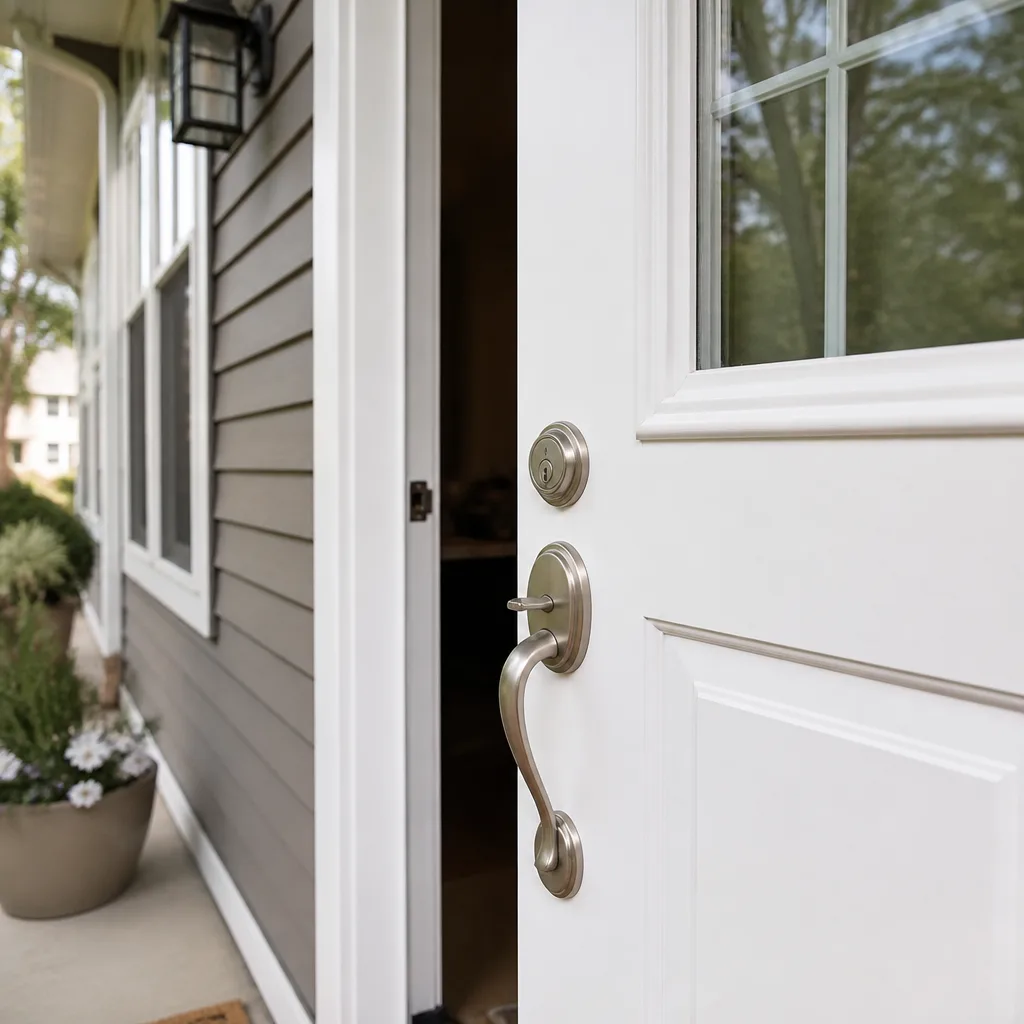
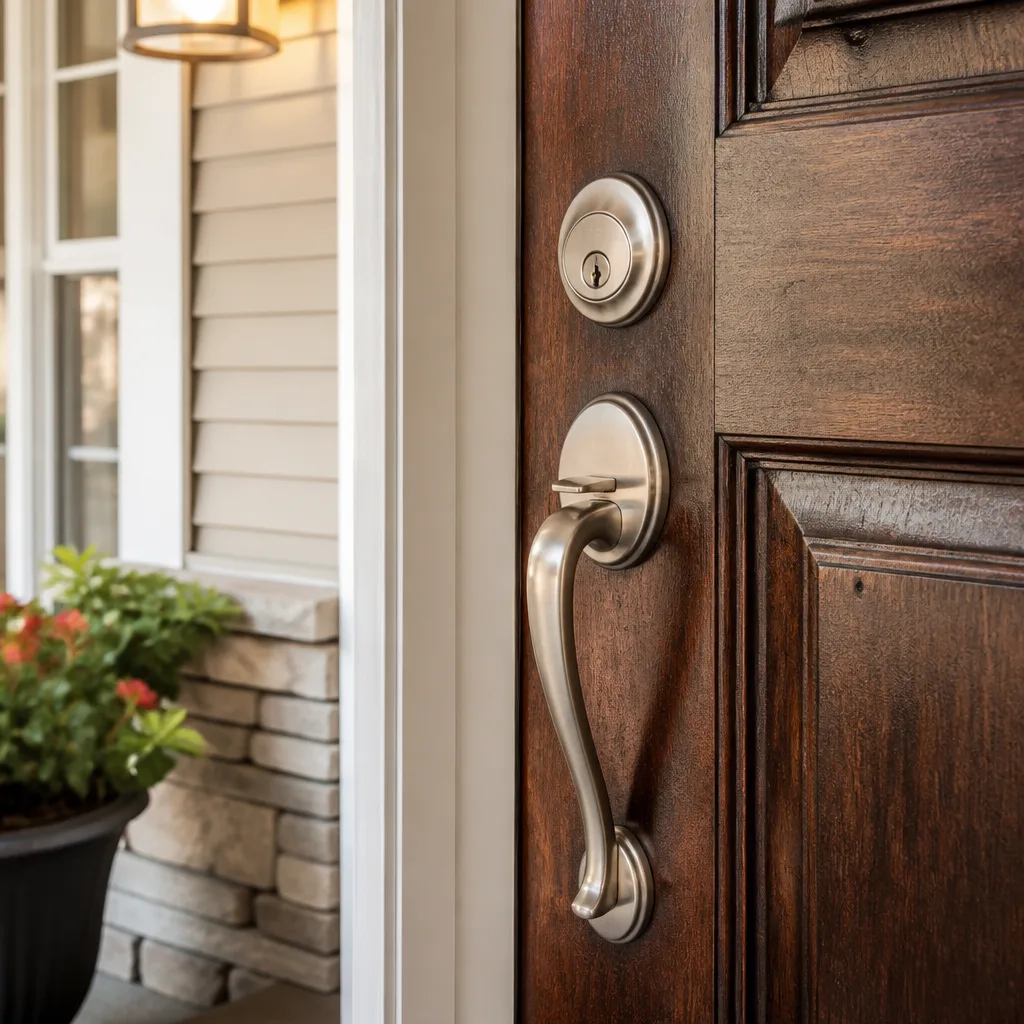
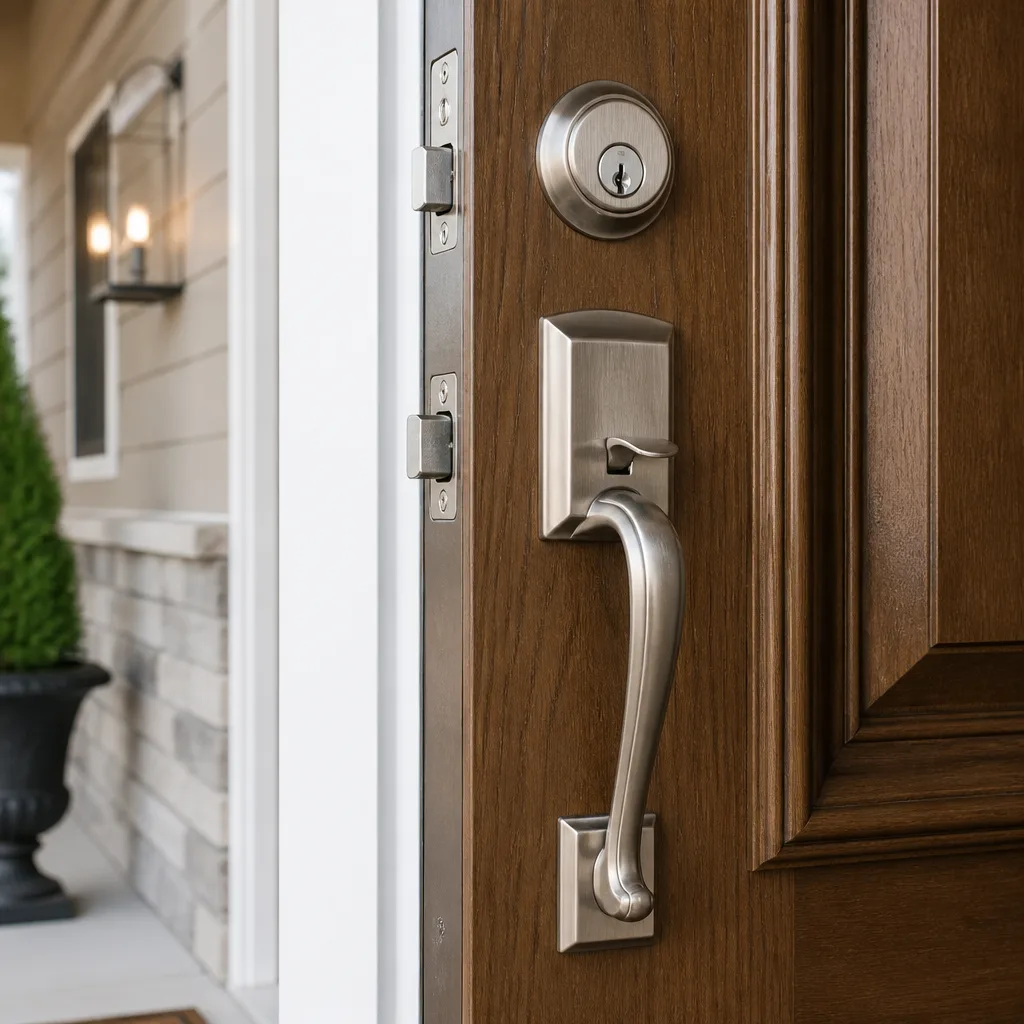
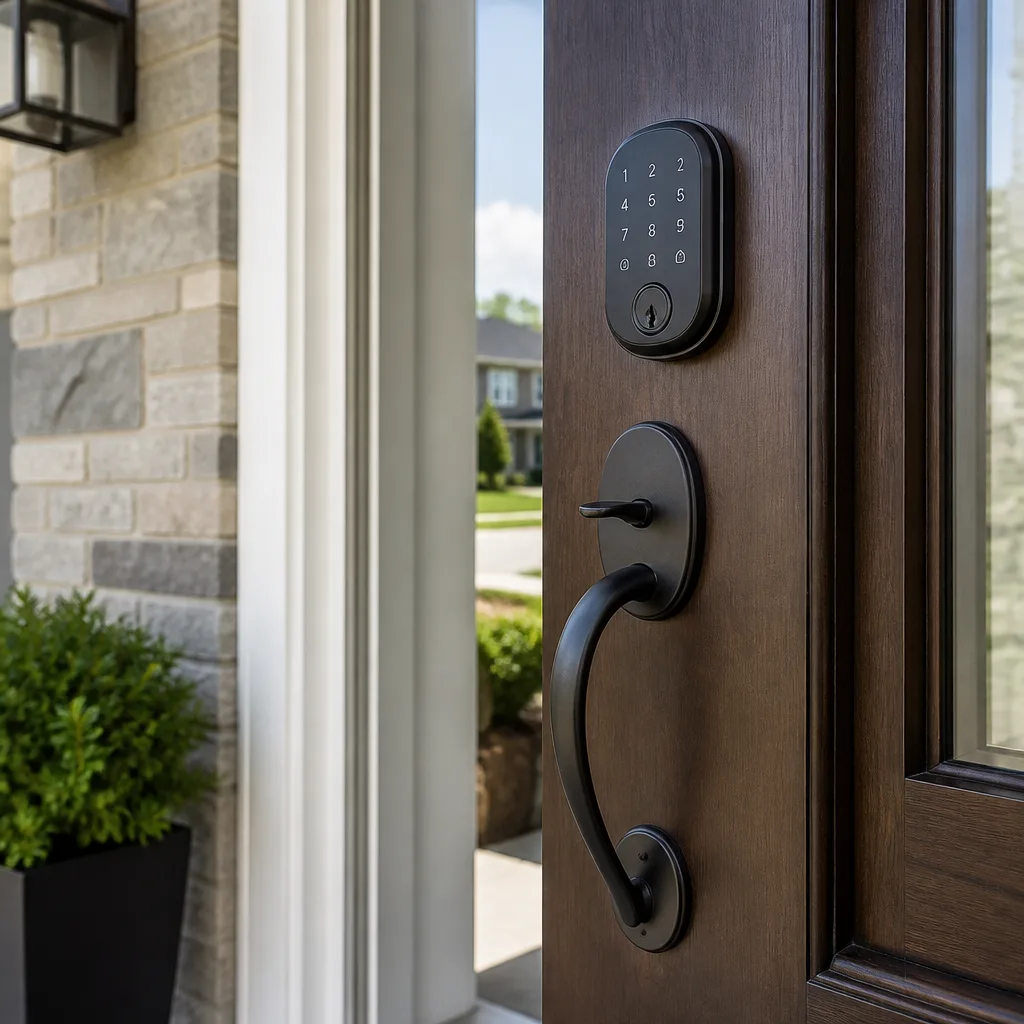
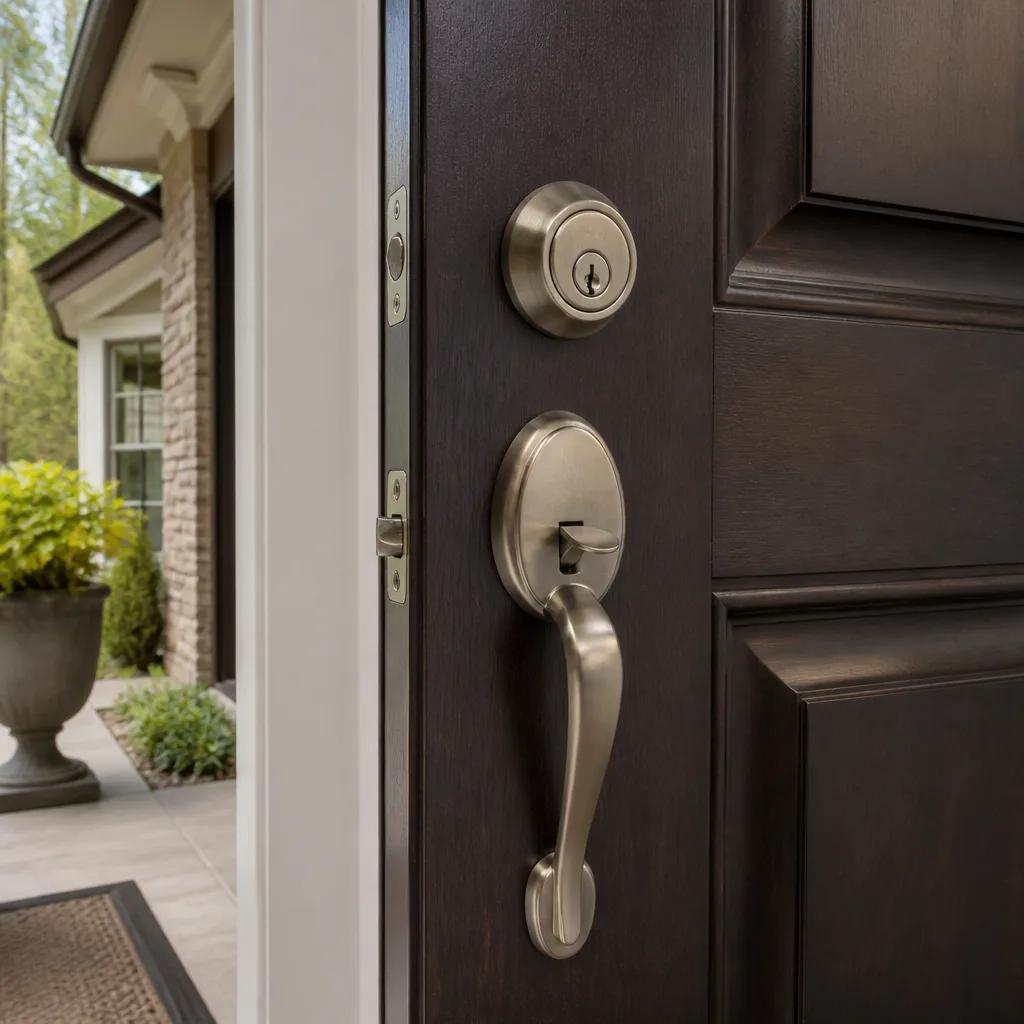
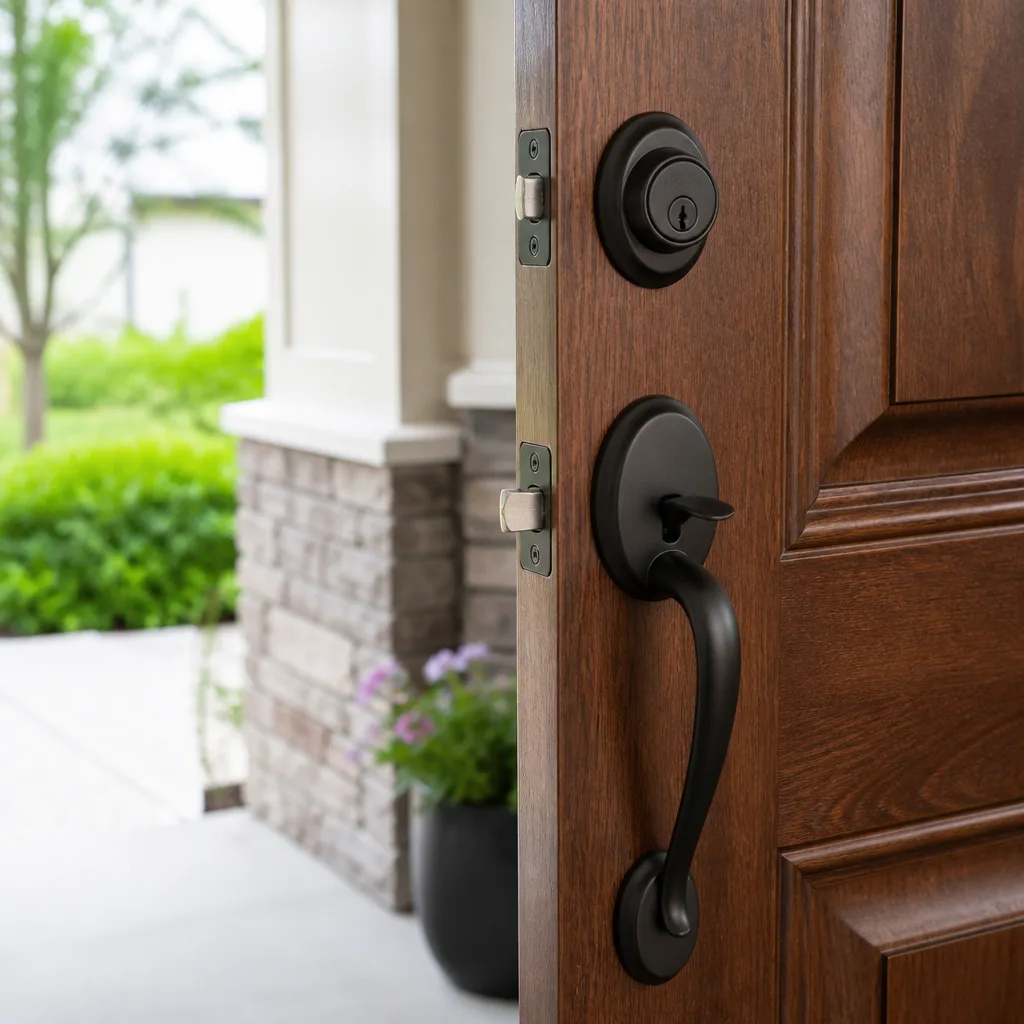
Choosing the Right Locksmith Brand: A Buyer’s Guide for Los Angeles
In 2023, a major smart lock brand had one of the highest-rated apps on the market. In 2024, they quietly discontinued their cylinder line. Every Los Angeles homeowner who installed one now owns a lock that no local locksmith can rekey, and a replacement runs about $200 for proprietary hardware that may face the same fate. This guide is not a spec sheet comparison. It’s a serviceability audit. You’ll learn which lock brands Los Angeles technicians can actually repair and rekey, which ones have parts on the shelf, and which ones will leave you stranded when the company changes direction.
Quick Answer
The best lock brand in Los Angeles is the one a qualified local locksmith can service five years from now. Schlage and Kwikset remain the most serviceable for residential use, Medeco and Mul-T-Lock for high-security needs, and any smart lock you choose should have a mechanical key override that works independently of the company’s servers. Avoid proprietary cylinders with no local parts support, regardless of app ratings or feature lists.
Table of Contents
- The Serviceability Scorecard: What Actually Matters in Los Angeles
- ANSI/BHMA Grades Explained for Los Angeles Doors
- Smart Lock Ecosystem Risk: What Happens When the Company Changes Course
- Big-Box Store Locks vs. Locksmith-Supplied Locks: The Component Difference
- Matching Lock Brand to Los Angeles Door Types
- What Rekeying Costs in Los Angeles by Brand
- Common Mistakes to Avoid
- When to Call a Professional
- Frequently Asked Questions
- The Bottom Line
The Serviceability Scorecard: What Actually Matters in Los Angeles
Most lock brand guides rank products by security ratings and feature counts. We think that misses the point. In Los Angeles, the question that matters is simpler: when this lock wears out, jams, or needs rekeying after a tenant moves out, who can fix it and how much will it cost? A lock that no one can service is a liability, not an asset.
We placed the major brands available in Los Angeles through a serviceability lens. Here’s what we look for: parts availability at local locksmith supply houses, technician familiarity across the trade, rekey cost, and whether the brand’s cylinders are proprietary or standard. A proprietary cylinder means only that manufacturer’s components fit. A standard cylinder means any qualified locksmith can rekey it with generic pins.
Schlage: The Serviceability Standard
Schlage has been the default residential lock in American homes for decades, and Los Angeles is no exception. Almost every locksmith in the city carries Schlage pins, cylinders, and replacement parts. Rekeying a standard Schlage deadbolt in Los Angeles typically runs $25 to $45 per lock when a technician is already on site. The B560 deadbolt and Schlage Encode smart lock both use widely available keyways, which keeps long-term ownership simple.
One note: Schlage’s newer “C” keyway locks are compatible with a huge range of aftermarket cylinders, but some models sold exclusively through particular retailers have slightly different internal configurations. If you buy Schlage, buy the version a locksmith would install, not the version optimized for a shelf-price discount.
Kwikset: Affordable and Widely Supported
Kwikset is the other big name in residential locks, and like Schlage, parts are everywhere in Los Angeles. Rekeying costs are similar: $25 to $45 per lock on a service call. Kwikset’s SmartKey system lets homeowners rekey their own locks in about 30 seconds, which sounds convenient until a SmartKey lock jams. When that happens, the fix often means replacing the cylinder entirely because the internal wafer system does not tolerate debris or wear the way a traditional pin-tumbler cylinder does.
For Los Angeles homes near the coast, we see more Kwikset failures from salt air corrosion on exterior locks than we do with Schlage. The finish degrades faster, and the SmartKey mechanism has more small moving parts for corrosion to seize. If you live in Venice, Playa del Rey, or anywhere west of the 405, Schlage’s simpler internals hold up better. Inland neighborhoods like Sherman Oaks or Pasadena don’t face the same salt exposure, and Kwikset remains a fine budget choice there.
Medeco: High Security, Higher Cost, Restricted Service
Medeco sits at the top of the security ladder. These locks resist picking, bumping, and drilling far better than anything from Schlage or Kwikset. But that security comes with a catch: Medeco uses restricted keyways and proprietary cylinders. You cannot walk into any Los Angeles locksmith and get a Medeco key duplicated. Only authorized Medeco dealers can cut keys, and each key is tracked and controlled.
Rekeying a Medeco cylinder in Los Angeles typically starts around $45 to $75 per lock, assuming the locksmith is an authorized dealer. If they’re not, they can’t touch it. For a Los Angeles homeowner who wants maximum security on a front door or a commercial landlord who needs key control, Medeco is excellent. Just understand that you’re buying into a controlled ecosystem, and service will never be as casual as it is with Schlage.
Mul-T-Lock: Strong Option for Commercial and High-Risk Properties
Mul-T-Lock is the other major high-security brand we regularly service. Their telescoping pin system provides strong pick and bump resistance, and like Medeco, keys are restricted. Rekeying costs in Los Angeles typically run $40 to $65 per cylinder with an authorized dealer. Mul-T-Lock has broader dealer coverage in Southern California than Medeco in our experience, which makes parts slightly easier to source when something breaks.
Mul-T-Lock makes sense for commercial properties, mixed-use buildings, or any Los Angeles homeowner who has already been burglarized and wants a meaningful step up in resistance. For most single-family homes, the service friction of restricted keys outweighs the marginal security gain over a well-installed Schlage B560.
| Brand | Parts Availability in LA | Typical Rekey Cost | Cylinder Type | Best For |
|---|---|---|---|---|
| Schlage | Excellent | $25-$45 | Standard | Most residential doors |
| Kwikset | Excellent | $25-$45 | Standard (SmartKey has caveats) | Budget residential, inland |
| Medeco | Restricted | $45-$75 | Proprietary | High-security residential, commercial |
| Mul-T-Lock | Restricted | $40-$65 | Proprietary | Commercial, high-risk properties |
| Yale | Good | $25-$40 | Standard | Residential, mid-century homes |
| August | Limited | N/A (retrofit) | N/A (retrofit only) | Renters, temporary smart upgrades |
| Ultraloq | Poor | N/A (replace-only) | Proprietary | Avoid for long-term ownership |
ANSI/BHMA Grades Explained for Los Angeles Doors
The American National Standards Institute and Builders Hardware Manufacturers Association grade locks on a scale from Grade 1 to Grade 3. Grade 1 is the most durable, rated for at least 800,000 cycles of operation. Grade 2 is rated for 400,000 cycles. Grade 3 is rated for 200,000 cycles. Those numbers sound abstract until you translate them to daily use: a Grade 3 lock cycled ten times a day lasts about 55 years in theory, but in practice the finish and internal springs degrade much sooner.
For Los Angeles exterior residential doors, Grade 2 is the honest floor. Grade 3 locks are interior-grade hardware, and we would not install one on any exterior door in this city. The sun exposure on south-facing doors in neighborhoods like Silver Lake or Echo Park bakes the finish and degrades internal lubricants over time, and a Grade 3 mechanism has less tolerance for that wear. Grade 1 is the standard for commercial doors and makes sense on residential doors that see heavy use, multi-family entries, or properties where security is a primary concern.
Here’s how the grades translate to real Los Angeles decisions:
- Grade 1: Commercial doors, multi-family building entries, any door that cycles more than 50 times a day. Examples: Schlage L-Series, Sargent mortise locks, Abloy deadbolts. These locks cost more upfront but withstand years of abuse.
- Grade 2: Residential exterior doors on single-family homes. Examples: Schlage B560, Kwikset 980, Baldwin Estate. This is the sweet spot for most Los Angeles homeowners.
- Grade 3: Interior doors only. Bedrooms, bathrooms, closets. Never on an exterior door, and never on a door protecting anything you care about.
One Los Angeles-specific factor: many older craftsman homes in neighborhoods like Highland Park or Angelino Heights have original doors that are thinner than modern 1-3/4 inch slabs. Grade 1 hardware often requires the thicker door or a deeper mortise pocket, and retrofitting it onto a 1920s door can mean cutting into wood that has already held a century of hardware changes. In those cases, a Grade 2 lock with a reinforced strike plate delivers more security than forcing a Grade 1 lock into a door that can’t support it.
Smart Lock Ecosystem Risk: What Happens When the Company Changes Course
Smart locks fail in ways that mechanical locks never do. A mechanical Schlage deadbolt from 1995 works exactly the same as one sold today. A smart lock from five years ago may no longer connect to its app, may have lost cloud support, or may now require a paid subscription to use basic features. In Los Angeles, where early adopters installed smart hardware in large numbers during the 2018-2022 renovation boom, we’re now seeing the first wave of orphaned products. Our Commercial Locksmith Troubleshooting: Common Problems and How to Fix Them explains how to diagnose failures before they strand you.
The critical feature to look for is a mechanical key override that uses a standard, serviceable cylinder. If the smart lock’s only fallback is a Bluetooth connection or a keypad code, and the company’s servers go dark, you own a brick. If it has a physical keyway that a Los Angeles locksmith can rekey, the worst-case scenario is a functional mechanical lock that cost more than it should have.
Here’s how the major smart lock approaches break down:
- Schlage Encode: Uses a standard Schlage C keyway. If the Wi-Fi dies, if the app is discontinued, if the company vanishes, you still have a Grade 2 mechanical deadbolt that any locksmith can rekey. This is the safest smart lock architecture on the market for long-term ownership.
- Yale Assure with key override: Uses standard Yale cylinders. Serviceable, and Yale’s parent company Assa Abloy is unlikely to abandon the brand. Rekeying costs $25 to $40 per lock in Los Angeles.
- August: August sells retrofit hardware that attaches to an existing deadbolt. The underlying lock is whatever you already have installed, which means serviceability depends on that lock. If you pair an August with a Schlage deadbolt, you’re fine. If you pair it with an off-brand lock, you’ve doubled down on a weak foundation.
- Ultraloq: The product line that concerns us most. Ultraloq uses proprietary cylinders and sells primarily through online channels, which means local parts availability in Los Angeles is effectively zero. If one fails, replacement is the only option. We do not recommend Ultraloq for any installation where the owner wants a lock that will be serviceable in five years.
The smart lock lesson applies beyond locks: any hardware that depends on a company’s continued existence is hardware with a built-in expiration date. For something as fundamental as your front door, the mechanical fallback is not a nice-to-have. It’s the difference between a $40 rekey and a $300 replacement.
Big-Box Store Locks vs. Locksmith-Supplied Locks: The Component Difference
One of the most persistent myths in the lock industry is that the Schlage deadbolt sold at a big-box store is identical to the one installed by a locksmith. It is not. The model number may match, but the internal components often differ in ways that affect both security and warranty coverage.
Big-box retailers negotiate aggressively with manufacturers to hit price points. Manufacturers respond by swapping brass internal components for zinc, using lighter springs, and sometimes changing the cylinder construction entirely. The lock still meets the ANSI grade rating on paper, but the margin for real-world wear shrinks. In our Los Angeles service area, we’ve replaced big-box Schlage locks that failed after four years of use, while the locksmith-sold versions of the same model from the same era are still working fine.
The warranty difference is just as important. Most manufacturer warranties require installation by a licensed locksmith to be honored in full. A Schlage lock bought at a retail chain and installed by a handyman may have a reduced or voided warranty. If the lock fails, you’re buying a new one. A lock supplied and installed by a licensed Los Angeles locksmith carries the manufacturer’s full warranty, plus the locksmith’s own written guarantee on the installation.
This does not mean every big-box lock is junk. It means the same model number is not the same product. Compare it to buying a car: the same make and model can have different engines depending on which market it was built for. The lock is a precision mechanism. The difference between brass and zinc internals matters after 50,000 cycles.
For homeowners who want to buy their own hardware and have it installed, our advice is simple: ask the locksmith which specific version they recommend for your door, then purchase that exact SKU. Do not assume the retail version is equivalent just because the name matches.
Matching Lock Brand to Los Angeles Door Types
Los Angeles housing stock is extraordinarily varied. A 1920s craftsman in Filipinotown has different door hardware needs than a 1970s ranch in Granada Hills or a steel security door in South Central. The right lock brand for one door is sometimes the wrong brand for another. Here’s how we think about the match:
Older Craftsman and Spanish Revival Doors (1920s-1940s)
Neighborhoods like Los Feliz, Jefferson Park, and Leimert Park are full of original doors with thin slabs, ornate trim, and non-standard bore holes. These doors rarely accept modern Grade 1 hardware without modification. Schlage’s traditional deadbolts work well here because they’re available in smaller footprints and the standard cylinders are easy to rekey. Kwikset’s SmartKey mechanism, with its extra moving parts, has a higher failure rate on doors that have already been through decades of seasonal expansion and contraction. For these homes, we recommend Schlage B560 deadbolts paired with a reinforced strike plate. The strike plate matters more than the lock brand on old wood frames.
Mid-Century Ranch Homes (1950s-1970s)
The San Fernando Valley is full of mid-century homes with hollow-core or thin solid-core doors. These doors take standard hardware but often have wide backset measurements. Yale hardware works well here because the brand’s standard backset options match many of these older preps. Baldwin also makes excellent hardware for mid-century doors, though the cost is higher and rekeying runs $30 to $50 per lock in Los Angeles. Kwikset is fine for these homes as long as the door faces away from direct salt air or coastal fog.
Steel Security Doors and Gates
Steel security doors, common in many Los Angeles neighborhoods, present a different challenge. The lock must mount cleanly without compromising the door’s integrity, and the cylinder must resist picking attempts since security doors are often the first line of defense. Medeco and Mul-T-Lock both make mortise-style cylinders that work well in steel security doors. The rekey cost runs higher because these cylinders are more labor-intensive to service, but the security benefit is real. For a steel door protecting a home in a high-traffic area, the restricted key control alone is worth the premium: a lost key cannot be duplicated at a hardware store.
Sliding Glass Doors
Sliding glass doors are a Los Angeles staple, and they are also the most commonly overlooked security opening in a home. Most sliding doors come with a factory latch that a determined burglar can defeat in seconds. Schlage and other brands make auxiliary locks specifically for sliding doors that supplement the factory latch with a mechanical pin or clamp. The brand matters less here than the installation: a sliding door auxiliary lock must be installed precisely to work, and a sloppy installation creates a false sense of security. This is one area where we strongly recommend professional installation over DIY.
What Rekeying Costs in Los Angeles by Brand
Rekeying is the most common locksmith service in Los Angeles, and the cost varies meaningfully by brand. A rekey means we change the internal pins in the lock cylinder so the old keys no longer work. The lock itself stays in place. For most standard residential locks, rekeying is faster and cheaper than replacing hardware.
Here’s what Los Angeles homeowners should expect to pay when a locksmith is already on site for a service call:
- Schlage standard cylinder: $25 to $45 per lock
- Kwikset standard cylinder: $25 to $45 per lock
- Yale standard cylinder: $25 to $40 per lock
- Baldwin standard cylinder: $30 to $50 per lock
- Medeco restricted cylinder: $45 to $75 per lock (authorized dealer required)
- Mul-T-Lock restricted cylinder: $40 to $65 per lock (authorized dealer required)
- Sargent commercial cylinder: $35 to $60 per lock
These ranges assume the locksmith is already on site for a service call. A rekey-only visit will carry a trip charge, which in Los Angeles typically ranges from $35 to $75 depending on distance and time of day. At Loxley Locksmith & Security, we quote the full price on the phone before anyone is dispatched. The number we give you is the number on the invoice, with no call-out surcharge added on arrival. If you’ve had a locksmith quote one price and charge another, here’s how we handle that differently: the price is written, it’s final, and you approve it before work begins.
When Rekeying Makes Sense vs. Replacing
A rekey makes sense when the lock hardware itself is in good condition but you need to change who has access. Common scenarios in Los Angeles: a new home purchase, a tenant turnover, a lost key, or a roommate who moved out. A full replacement makes sense when the hardware is worn, rusted, damaged, or when you want to upgrade security grade. We tell customers this directly: if the lock is less than five years old and operates smoothly, rekey it. If it’s older, showing corrosion, or the finish is degraded, replace it and get a fresh start.
The Kingswell Way and Why It Matters for Any Brand You Choose
Loxley Locksmith & Security is part of the Kingswell family of locksmith companies, and every job we do is governed by the same written standard. We call it The Kingswell Way. It has five parts: say the price before the work, show up in the window we gave, leave the place cleaner than we found it, put the guarantee in writing, and come back if it fails. The brand of lock you choose matters, but the standard of installation and service matters just as much. For more guides & resources on choosing and maintaining your hardware, explore our blog. A great lock installed badly is worse than an average lock installed correctly.
Common Mistakes to Avoid
- Buying a smart lock with no mechanical key override. When the company’s servers go down, your lock becomes a paperweight. Always verify the model has a physical keyway that uses a standard cylinder.
- Choosing Grade 3 hardware for an exterior door. Interior-grade locks on exterior doors are a false economy in Los Angeles, where sun and salt air accelerate wear. Grade 2 is the floor for exterior use.
- Buying high-security locks without understanding restricted keys. Medeco and Mul-T-Lock are excellent, but you will never get a spare key cut at a hardware store. If that inconvenience bothers you, stick with Schlage or Kwikset.
- Compromising on reinforcing your strike plate. The strongest deadbolt in the world is only as strong as the 3/4-inch of door frame wood holding the strike plate. Reinforce it, especially on older Los Angeles homes.
- Wasting money on a full replacement when a rekey would do. If your lock operates smoothly but old keys are floating around, rekey it. A rekey costs a fraction of replacement and takes minutes.
- Mixing brands across a house to save $10 per lock. Each brand has a different keyway, which means each brand requires a different key blank. Standardizing on one brand for all exterior doors keeps your keychain clean and simplifies future service.
- Assuming the big-box version of a lock is identical to the locksmith version. Same model number, different internals. If you want the full warranty and the higher-quality components, buy through a licensed locksmith.
When to Call a Professional
Some lock decisions are safe to make on your own. Choosing between brands, comparing prices, understanding your door type: these are research tasks. Other situations call for a professional’s eyes on the actual door. If your Los Angeles home has a damaged or sagging door frame, a lock that sticks or grinds, a door that no longer closes squarely, or hardware that has been on the door since before the Reagan administration, call a locksmith before you buy anything. The right lock brand means nothing if the door itself won’t support it. We also recommend professional installation for any high-security cylinder, any commercial lock replacement, and any smart lock on a door that serves as the primary entrance. Loxley Locksmith & Security offers free estimates in Los Angeles, call (682) 281-8985 and we’ll tell you honestly whether you need a repair, a rekey, or a full replacement.
Frequently Asked Questions
Schlage is the most reliable lock brand for most Los Angeles homes because it combines Grade 2 durability, standard cylinders that any local locksmith can rekey, and excellent parts availability across the city. For high-security needs, Medeco and Mul-T-Lock offer stronger resistance but require authorized dealers for service. Call (682) 281-8985 for a recommendation based on your specific door and neighborhood.
Rekeying a standard Schlage or Kwikset cylinder in Los Angeles typically costs $25 to $45 per lock when a technician is already on site, plus a trip charge of $35 to $75 for a rekey-only visit. High-security brands like Medeco run $45 to $75 per cylinder. We quote the full price on the phone before dispatch, and that price is the price on the invoice.
Buy a smart lock only if it has a mechanical key override that uses a standard, serviceable cylinder, such as the Schlage Encode or a Yale Assure with key. Without that fallback, your lock depends entirely on the company’s continued operation. For most Los Angeles homeowners, a Grade 2 mechanical deadbolt remains the most dependable choice.
The model number may match, but big-box store locks often use zinc internal components instead of brass, lighter springs, and different cylinder construction to hit a lower price point. Manufacturer warranties also typically require installation by a licensed locksmith to be honored in full. The locksmith version of the same model is a better-built product with better coverage.
Schlage traditional deadbolts work best on older craftsman doors because they’re available in footprints that fit original preps and do not require the structural modification that Grade 1 hardware demands. Pair the deadbolt with a reinforced strike plate, which matters more than brand choice on a 1920s wood frame.
Yes. At Loxley Locksmith & Security, every customer gets a written price before any work begins, with no exceptions. There is no call-out surcharge added on arrival and no figure that changes at the door. The price we quote is the price you pay. Call (682) 281-8985 for a free estimate.
The Bottom Line
The best lock brand in Los Angeles is the one you can get serviced five years from now. Schlage is the safest default for most residential doors. Kwikset works fine inland but struggles with coastal corrosion. Medeco and Mul-T-Lock deliver real security for those willing to accept restricted key service. Smart locks are only worth buying with a mechanical key override. And no matter which brand you choose, buy it from a licensed locksmith who will put the price and the guarantee in writing before the work begins. That’s the standard we’ve held since 2007 at Loxley Locksmith & Security home, and it’s the standard any legitimate Los Angeles locksmith should be willing to match. For residential service across the city, see our Residential Locksmith in Los Angeles pages. Commercial property owners can find more on our Commercial Locksmith in Los Angeles page. For buildings that need more than locks, our Access Control Systems in Los Angeles team handles full system design and installation.
Written by Sam Rourke, Owner at Loxley Locksmith & Security, serving Los Angeles since 2007.