
Last updated October 8, 2026
Non-destructive entry first, always - and we re-key Schlage, Kwikset, and Baldwin locks on the spot while you watch
You get a price before we start. It does not change when we arrive. No surprises.
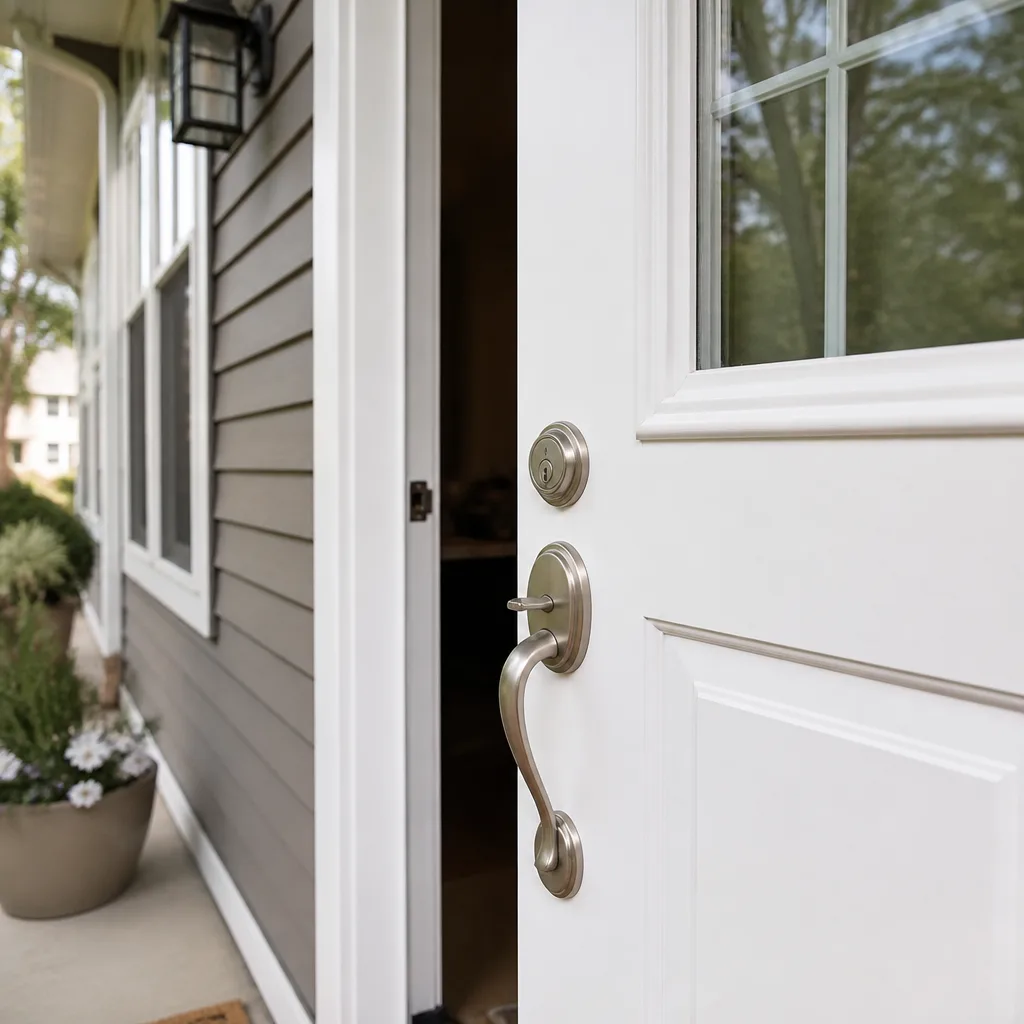
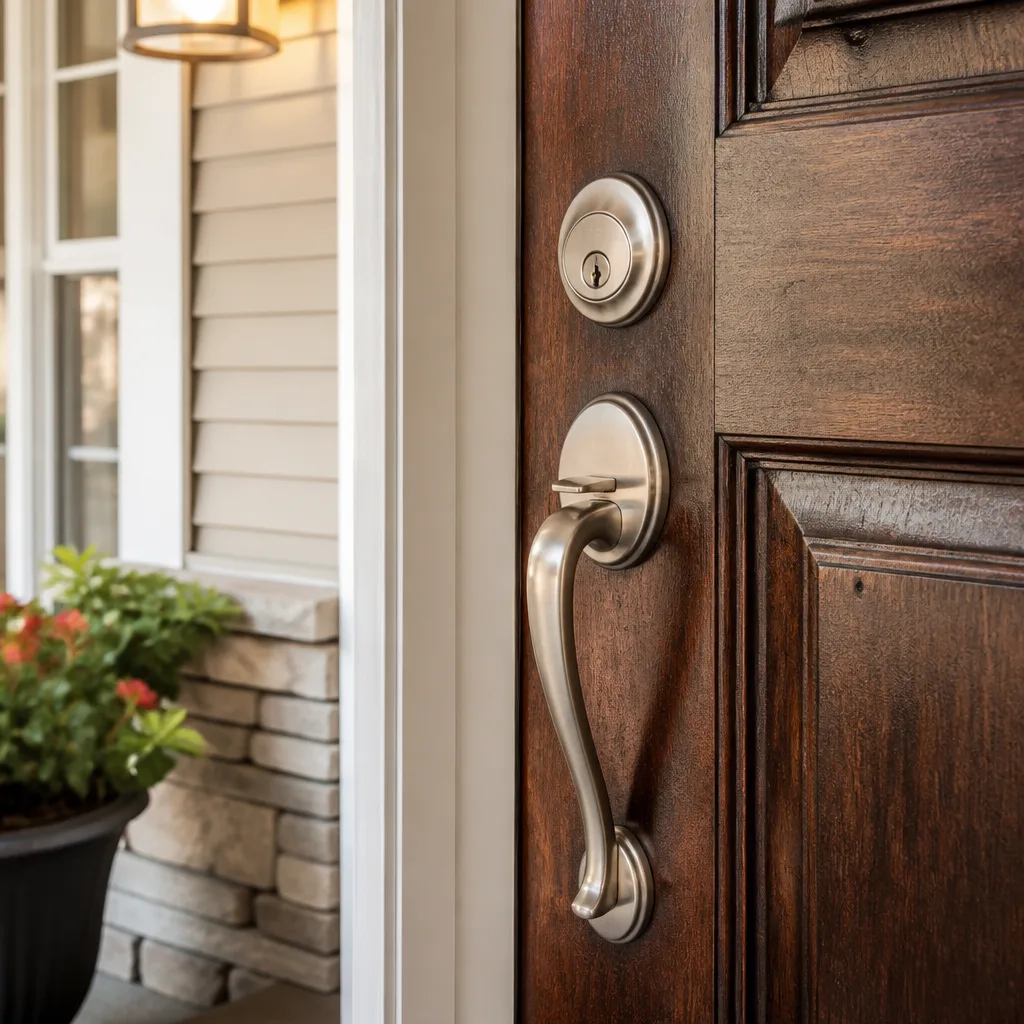
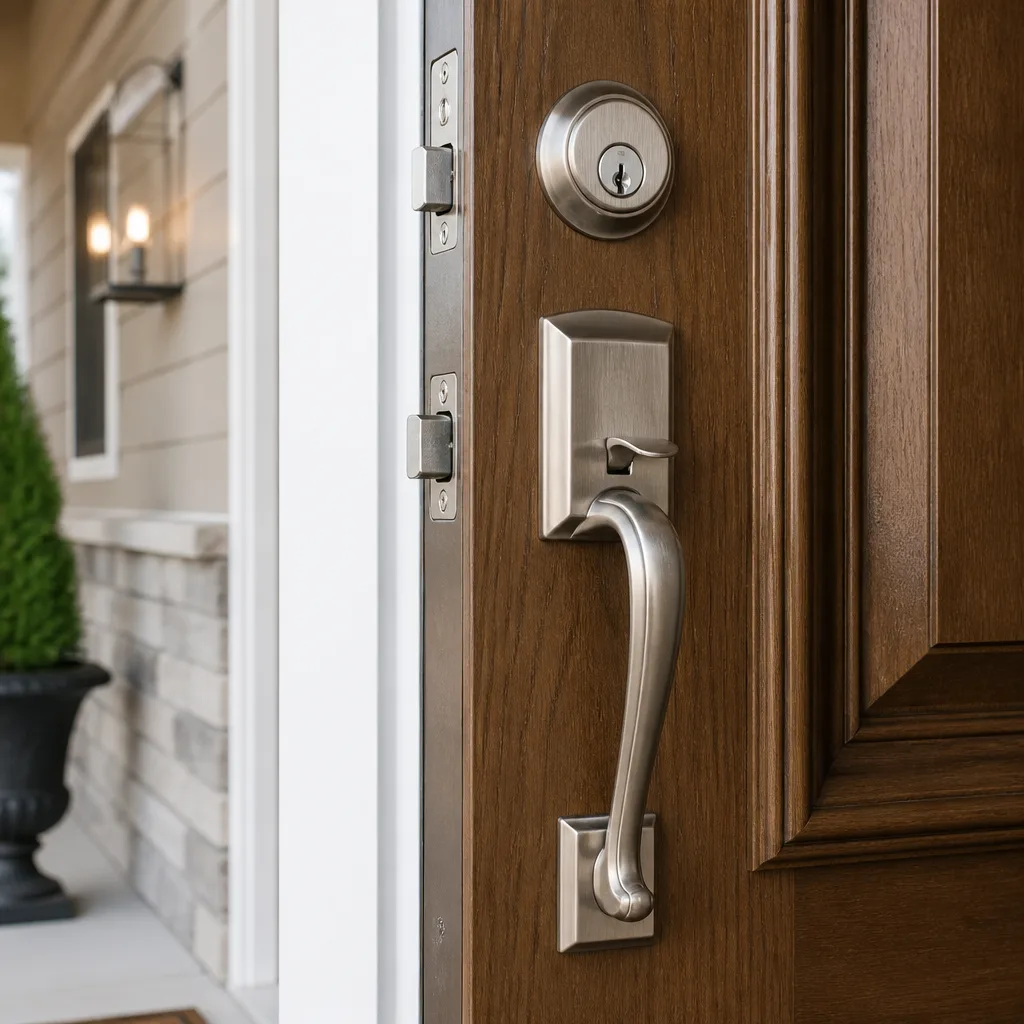
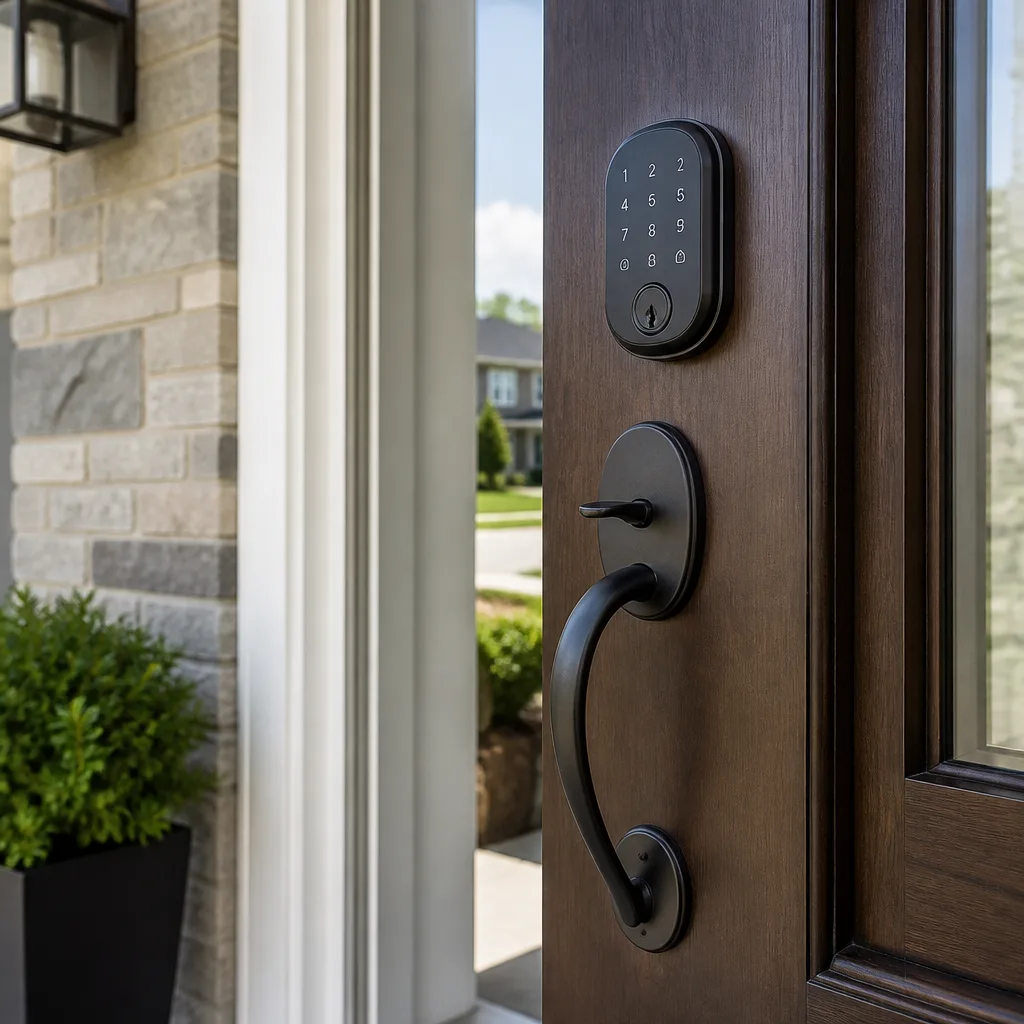
Commercial Locksmith Maintenance Schedule: What to Do and When
A high-traffic retail door in Westwood cycles its lock more often in a single month than a suburban office door does in a full year. That single fact is why most commercial lock maintenance schedules fail. They’re built around calendar dates – quarterly, semi-annual, annual – when they should be built around how your specific doors actually work. The hardware on a Santa Monica storefront facing salt air and 400 daily customer entries needs a fundamentally different maintenance rhythm than a Burbank suite door that opens twelve times a day. This guide gives you a schedule that works in Los Angeles, where foot traffic, coastal corrosion, and downtown grit punish commercial hardware faster than anywhere else in the state.
Quick Answer
Our Commercial Locksmith services follow a three-tier maintenance rhythm: monthly visual checks by your own staff, quarterly professional servicing for high-cycle doors (those opened 50+ times daily), and annual full-system audits including hinge lubrication, strike alignment, and key control review. High-traffic retail, hospitality, and medical doors in Los Angeles typically need professional servicing every 90 days, while low-cycle office suites can often go six to twelve months between visits – but the cycle count, not the calendar, is what actually drives the interval.
Table of Contents
- How to Calculate Your Door’s Annual Cycle Count
- Monthly Maintenance Tasks Your Staff Can Handle
- Quarterly Professional Service: What a Locksmith Checks
- Los Angeles Environment: Salt, Grit, and Sun
- Which Maintenance Tasks Protect or Void Manufacturer Warranties
- The Sign-Off Log: Why Documentation Matters
- Coordinating with California’s Building Inspection Calendar
How to Calculate Your Door’s Annual Cycle Count
Before you can build a maintenance schedule, you need to know how hard your doors actually work. A cycle is one complete lock or unlock sequence. On a commercial entrance with a push-bar exit and a keyed or keypad entry, that’s one cycle every time someone enters or leaves. Here’s the calculation that drives everything else:
Daily cycles = foot traffic count x 2 (because most people enter and exit through the same door).
So a Westwood retail store with 200 customers per day plus 20 staff shifts means roughly 440 cycles daily, 3,080 weekly, and over 160,000 cycles per year. Compare that to a Sherman Oaks law office where 15 people enter and leave twice daily: about 60 cycles a day, 15,600 a year. The retail door wears through hardware ten times faster. Most commercial-grade locksets from Sargent or Baldwin are rated for 500,000 to 1,000,000 cycles before significant wear, but that rating assumes proper lubrication and aligned strikes. Without maintenance, you’ll see failures at 30-40% of the rated cycle life.
Here’s how to match cycle count to service interval:
- Count a full day’s traffic at each exterior and high-use interior door. Don’t guess – station someone with a clicker counter for one full business day.
- Multiply by operating days per year. A restaurant open 364 days needs a different calculation than an office open 250.
- Apply this table:
- Under 15,000 cycles/year: annual professional service is sufficient, with monthly visual checks by staff.
- 15,000 to 50,000 cycles/year: semi-annual professional service recommended; focus on lubrication, strike alignment, and key cylinder wear.
- 50,000 to 150,000 cycles/year: quarterly professional service. This covers most Los Angeles retail, medical office, and restaurant doors.
- Over 150,000 cycles/year: quarterly service minimum, plus monthly professional checks on hinges, closers, and push bars. Think downtown LA courthouse doors, busy hotel entrances, or stadium gates.
We’ve walked into Los Angeles businesses where the maintenance plan was “fix it when it breaks.” That approach costs more, as our Commercial Locksmith Warning Signs Every Homeowner Should Know explains in detail. A commercial lock cylinder that seizes mid-day on a busy retail entrance means lost customers, a panic call, and emergency labor rates. A quarterly visit that catches the wear before it fails runs a predictable, budgetable number.
Monthly Maintenance Tasks Your Staff Can Handle
Between professional visits, your own team should run a quick monthly check. These tasks take under five minutes per door and catch most developing problems before they become lockouts or break-ins. Print a checklist, assign it to a specific role (facilities coordinator, assistant manager, or head of security), and keep the completed forms.
- Turn the key or enter the code and feel for resistance. A key that needs jiggling, or a deadbolt that doesn’t throw smoothly, is early warning. Don’t force it – report it.
- Try the handle from both sides. Loose handles mean a setscrew is backing out. Tighten it now, or the handle will eventually strip and spin free.
- Look at the strike plate. If the deadbolt or latch bolt is striking the plate edge and leaving scrape marks, the door has shifted. That misalignment will eventually prevent locking entirely.
- Check the door closer. A door that slams or drifts shut too slowly tells you the closer needs adjustment. Slamming doors destroy latches, strikes, and frames faster than any other single factor.
- Inspect exterior keypads and card readers. Cracks in the housing, faded keypad numerals, or condensation behind the lens are all replace-now signals. Once the housing cracks, moisture reaches the electronics.
- Test the exit devices. Push bars and panic hardware should move freely and retract the latch fully. A sticky push bar on a fire exit is a code violation and a genuine safety problem.
These checks cost nothing but attention. A loose handle caught in month one is a five-minute fix. A stripped handle in month six is a replacement parts order and a door that won’t open from the inside during business hours.
Quarterly Professional Service: What a Locksmith Checks
For high-cycle doors – those over 50,000 cycles a year – a professional service visit every 90 days is the single most cost-effective maintenance decision you can make; see our Commercial Locksmith Troubleshooting: Common Problems and How to Fix Them for what these visits prevent. In our experience across Los Angeles commercial properties, quarterly service prevents roughly 80% of emergency calls. Here’s what a proper commercial service visit covers:
- Full disassembly and inspection of key cylinders. We remove the cylinder, inspect pin and spring wear, clean contact surfaces, and re-lubricate with the correct product. This catches failing springs before they bind the cylinder.
- Lubrication of latch and deadbolt mechanisms. Not all lubricants are compatible with commercial locks. Graphite, WD-40, and generic spray lubes actually accelerate wear on many modern locksets. A professional uses the specific lubricant each manufacturer specifies.
- Hinge inspection and adjustment. Loose top hinges are the most common cause of strike misalignment. We check all three hinges for play and tighten or shim as needed.
- Strike plate alignment and screw torque. Strikes loosen over time, especially on high-traffic doors. We align, tighten, and where needed, replace strike screws with longer fasteners that bite deeper into the frame.
- Exit device testing and adjustment. Rim exit bars, vertical rod devices, and mortise panic hardware all have specific adjustment points. Quarterly adjustment keeps them code-compliant and prevents the jammed-door liability.
- Keypad and electronic access component checks. Battery levels, keypad tactility, and housing integrity are all assessed. A keypad that intermittently fails on a quarterly visit is much cheaper to fix than one that dies entirely on a Saturday night.
For doors under 50,000 cycles, this same inspection works well semi-annually. The point is that someone who understands commercial hardware is looking at the mechanisms before they fail, not after.
Los Angeles Environment: Salt, Grit, and Sun
Los Angeles is not one climate. A lock on a Santa Monica storefront two blocks from the ocean lives in a fundamentally different environment than a lock on a Boyle Heights warehouse. Your maintenance schedule should account for where your building sits and what the air is doing to your hardware.
Coastal corrosion. Properties within about three miles of the Pacific – Santa Monica, Venice, Playa del Rey, San Pedro – deal with persistent salt air. Salt accelerates galvanic corrosion, particularly on brass cylinders, exposed screws, and steel springs. We routinely pull cylinders from coastal properties that are internally pitted after eighteen months, while identical hardware in Mid-Wilshire lasts eight years. Coastal businesses should add a corrosion inspection to each quarterly visit: cylinder disassembly, visual inspection of springs and pins for pitting, and replacement of any corroded fasteners before they seize.
Inland grit and dust. Downtown LA, the Arts District, and the warehouse corridors of Vernon and Commerce deal with fine airborne grit. Dust infiltrates keyways, mixes with lubricant, and forms an abrasive paste that accelerates pin wear. Grit is why downtown commercial doors need more frequent cylinder flushing than their coastal counterparts. We recommend keyway flushing at every service interval for downtown and industrial properties – a solvent flush followed by clean lubrication.
Sun and UV degradation. Exterior keypads, card readers, and plastic-housed electronic locks bake in direct Los Angeles sun. UV breaks down polymer housings, causing brittleness, cracking, and eventual water intrusion. South-facing and west-facing units are the worst affected. Include a housing inspection in every service visit for exterior electronic hardware, and budget for housing replacement roughly every four to six years for full-sun locations, even if the electronics still work.
Your Commercial Locksmith in Los Angeles service partner should know which of these environmental factors applies to your specific property and build the schedule accordingly. If the maintenance plan you’re being sold doesn’t mention your location’s environment, it’s a template, not a plan.
Which Maintenance Tasks Protect or Void Manufacturer Warranties
Most facilities managers don’t realize that their maintenance choices directly affect whether a manufacturer will honor a warranty claim. This matters because commercial locksets are expensive – a single high-security mortise lock from Sargent or Abloy can run several hundred dollars, and a full electronic access lock from Mul-T-Lock commands even more. Getting this wrong means eating that cost when the hardware fails.
What voids a warranty:
- Petroleum-based spray lubricants. WD-40, 3-in-1 oil, and similar products leave a residue that traps dust and eventually gums the mechanism. Most commercial lock manufacturers explicitly state that petroleum-based lubricants void the warranty. We’ve pulled apart enough gummed cylinders in Los Angeles to confirm why.
- Graphite in many modern locks. Graphite was the standard lubricant for decades, but many modern locksets with tighter tolerances warn against it because it binds in humid conditions. Always check the manufacturer’s specification.
- Disassembly by non-qualified personnel. If you open a commercial lock cylinder and fail to properly reassemble it, the manufacturer’s warranty is void, period. This is not a task for a well-meaning maintenance employee.
- Modification of the lock body or cylinder. Drilling, filing, or improvising a repair voids coverage for the entire lockset.
What protects a warranty:
- Using the manufacturer-specified lubricant. For example, Abloy specifies specific PTFE-based lubricants for their disc detainer cylinders. Sargent and Baldwin have their own recommendations. A professional commercial locksmith stocks the correct products and documents what was applied.
- Documented professional service. If a warranty claim is filed, the manufacturer will often ask for maintenance records. A sign-off log showing quarterly professional service strengthens your position significantly.
- Keeping the original hardware documentation. Model numbers, installation dates, and service intervals all matter in a claim dispute.
The takeaway is simple: lubrication is not a generic task. The $9 spray can from the hardware store can void a $600 lock warranty. Let your locksmith handle it, and ask them what they’re applying and why.
The Sign-Off Log: Why Documentation Matters
Here’s the scenario nobody plans for: a break-in occurs through a rear door, the insurance adjuster asks whether the lock was functioning properly, and you have no documentation to say it was. Or a fire exit push bar fails during an evacuation, and the subsequent inspection finds that maintenance was long overdue. In both cases, the absence of a maintenance log becomes a liability.
A sign-off log is a one-page document completed at every service visit. It should include:
- Date and time of the service visit.
- Technician name and company.
- Specific doors serviced (identify by floor, room number, or door location, not “front door”).
- Tasks performed – lubrication, cylinder flush, strike adjustment, hinge tightening, battery replacement.
- Parts replaced, if any, with model numbers.
- Observations and recommendations – “hinge wear noted on door 3B, recommend monitoring” or “cylinder approaching end of service life.”
- Sign-off from both the technician and your facility manager.
Keep these logs for a minimum of five years. For properties subject to annual fire door inspections, the log is part of your compliance file. For insurance purposes, it demonstrates that you exercised reasonable care in maintaining security hardware – which can be the difference between a paid claim and a denied one. We’ve seen Los Angeles property managers dig through filing cabinets in discovery only to find that three years of maintenance happened verbally and left no trace. Don’t be that manager.
If you’re working with a locksmith who doesn’t provide written documentation of each visit, that’s a red flag. A written record is standard practice for any legitimate commercial locksmith in Los Angeles.
Coordinating with California’s Building Inspection Calendar
California commercial properties face a layered inspection calendar, and every locksmith visit that interrupts operations has a cost. The smart move is to coordinate your hardware maintenance with inspections you’re already getting, so you’re not shutting down a fire door twice for two different reasons.
Here’s what to plan around:
- Annual fire door inspections. NFPA 80 requires annual inspection of fire-rated doors, including latching hardware, closers, and exit devices. Schedule your locksmith service to immediately follow this inspection. That way, any deficiencies the inspector flags – a sticky latch, a weak closer, a misaligned strike – get corrected while the locksmith is already on-site.
- Fire alarm and sprinkler testing. Most commercial buildings test annually, and the testing requires coordination with door hardware since alarm integration often connects to access control systems. Have your locksmith verify that electromagnetic locks, delayed egress hardware, and access control integrations all respond correctly after the alarm test.
- Annual elevator inspections. Elevator machine rooms and access points have their own locking hardware. If your property’s elevator inspection falls on the calendar, add the elevator room locks to that maintenance visit.
- Title 24 energy compliance reviews. Not directly about locks, but exterior door hardware – closers, weatherstripping, and threshold latches – affects both security and energy efficiency. A door that doesn’t fully latch is both a security risk and an energy leak. If you’re doing a Title 24 review, check every exterior door latch at the same time.
The goal is operational efficiency: fewer disruptions, fewer service call minimums, fewer days where a section of the building is inaccessible. A good Access Control Systems in Los Angeles contractor will build a schedule that aligns with your inspection calendar, not against it.
Common Mistakes to Avoid
- Lubricating with whatever is in the maintenance closet. Petroleum-based sprays and graphite void most commercial lock warranties and accelerate wear. Use the manufacturer-specified product or let a locksmith handle it.
- Treating every door the same. A back-of-house storage door and a main entrance in a busy Koreatown restaurant have completely different cycle counts. The same 12-month interval for both means one door gets serviced too early and the other fails mid-service.
- Ignoring door closers. A misadjusted closer that slams the door is destroying your latch, strike, and frame with every cycle. The door closer is a hardware maintenance item, not a separate system.
- Deleting electronic access maintenance. Keypads, card readers, and battery-powered locks need battery replacement, housing inspection, and contact cleaning on a schedule. “It works until it doesn’t” is not a maintenance plan for a door that controls access to your business.
- Skipping documentation. Unlogged maintenance didn’t happen, as far as insurance adjusters and building inspectors are concerned. If there’s no paper trail, you have no proof of due diligence.
- Waiting for a failure to replace worn hardware. A cylinder that’s gotten stiff and requires jiggling is already at end of life. Replacing it on your schedule is a planned cost. Replacing it during an emergency lockout is a panic.
- Hiring the cheapest locksmith and hoping. Commercial hardware from Medeco, Abloy, and Mul-T-Lock requires specific tools and training. A residential locksmith who “can figure it out” is how high-security cylinders get permanently damaged.
When to Call a Professional
Some maintenance tasks are worth doing yourself – the monthly visual checks, keeping the log current, tracking cycle counts. Others require a commercial locksmith with the right tools, training, and manufacturer relationships. Call a professional for: cylinder disassembly and re-lubrication, strike realignment that requires frame work, exit device adjustment, key control system audits, electronic access programming, and any warranty-service matter where the manufacturer requires qualified service. If a key breaks off in a cylinder, drill marks appear on a lock, or a door suddenly won’t secure, stop and call. Forceful attempts turn a $200 repair into a $600 replacement. Loxley Locksmith & Security offers free estimates for commercial maintenance in Los Angeles – call (682) 281-8985 and we’ll put the numbers in writing before any work starts.
Frequently Asked Questions
A quarterly maintenance visit for a single high-traffic commercial door typically runs $95 to $180 per door, depending on the hardware type and whether parts replacement is needed. Annual full-system audits for a multi-door commercial property generally range from $300 to $700. Call (682) 281-8985 for an exact quote – estimates are free, and the price we quote on the phone is the price on the invoice.
Commercial locks on doors cycled 50,000 times or more per year should be professionally serviced every 90 days. Doors with lower cycle counts – under 15,000 per year – can typically go 12 months between professional visits, with monthly visual checks by your own staff. The cycle count, not the calendar, drives the correct interval for your specific doors.
Commercial locks endure dramatically higher cycle counts, are subject to stricter code compliance (especially fire-rated doors and exit hardware), and often involve master key systems or electronic access components that require specialized service. A Residential Locksmith in Los Angeles may service a simple deadbolt flawlessly, but commercial hardware from Sargent, Abloy, or Mul-T-Lock demands commercial-grade tools and training.
Your staff can perform visual checks and document issues, but lubrication should be left to a locksmith who knows which lubricant your specific hardware requires. Using an incompatible product – especially petroleum-based sprays or graphite on the wrong lockset – can void the manufacturer’s warranty and accelerate internal wear. This is a case where the wrong DIY step costs more than the professional service call.
Yes. Fire-rated doors in Los Angeles commercial properties must meet NFPA 80 requirements, including annual inspection and functional exit hardware. Exterior doors must fully latch and cannot be propped open during business hours. Coastal properties face additional corrosion challenges that inland Los Angeles properties do not. A commercial locksmith familiar with LA code requirements can tell you which doors on your property fall under fire-door rules and when their inspections are due.
Most commercial lock failures give warning before they fully fail – a key that’s getting stiff, a handle that’s loosening, a strike that’s starting to scrape. That’s why monthly visual checks matter. But when a failure does happen between visits, it’s an emergency service call. Loxley Locksmith & Security answers calls with a live person 24/7 – no voicemail, no callback queue – at (682) 281-8985. We’ll give you a written price before dispatch.
The Bottom Line
For more guides & resources on commercial lock maintenance in Los Angeles, start here: it isn’t about picking a date on the calendar and sticking to it. It’s about understanding your actual cycle counts, the specific environment your hardware lives in, and what the manufacturers require to keep their warranties valid. Calculate your daily cycles. Match the service interval to real usage, not to a generic quarterly assumption. Account for salt air if you’re coastal, grit if you’re downtown, and sun if your keypads face west. Document every visit with a sign-off log. And coordinate service with your existing inspection calendar so you’re not paying for the same door to be opened twice. Do that, and your hardware lasts longer, your emergency calls drop, and your budget becomes predictable instead of reactive. For a written maintenance plan specific to your Los Angeles property, call (682) 281-8985.
Written by Sam Rourke, Owner at Loxley Locksmith & Security, serving Los Angeles since 2007.