
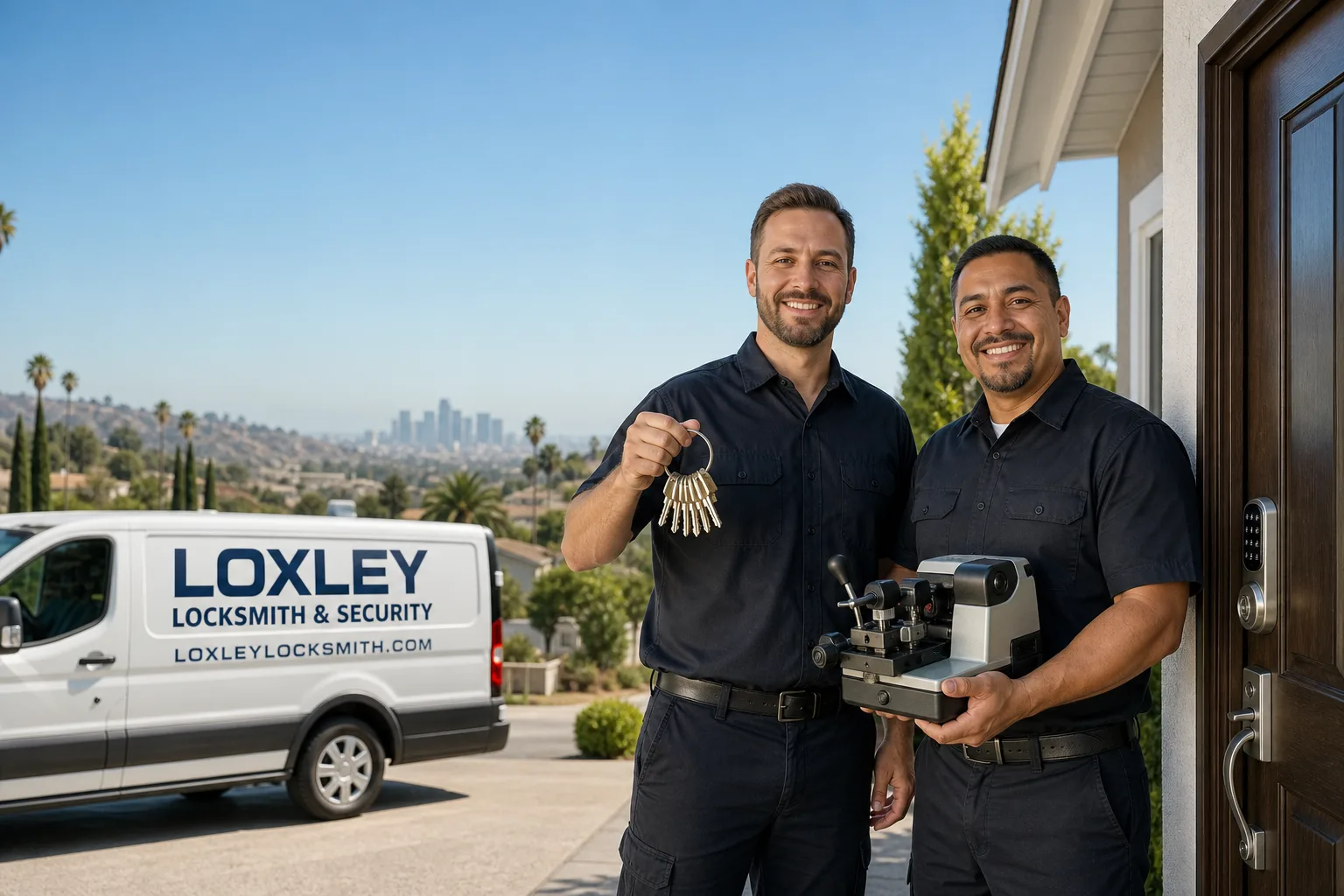
Non-destructive entry first, always - and we re-key Schlage, Kwikset, and Baldwin locks on the spot while you watch
You get a price before we start. It does not change when we arrive. No surprises.
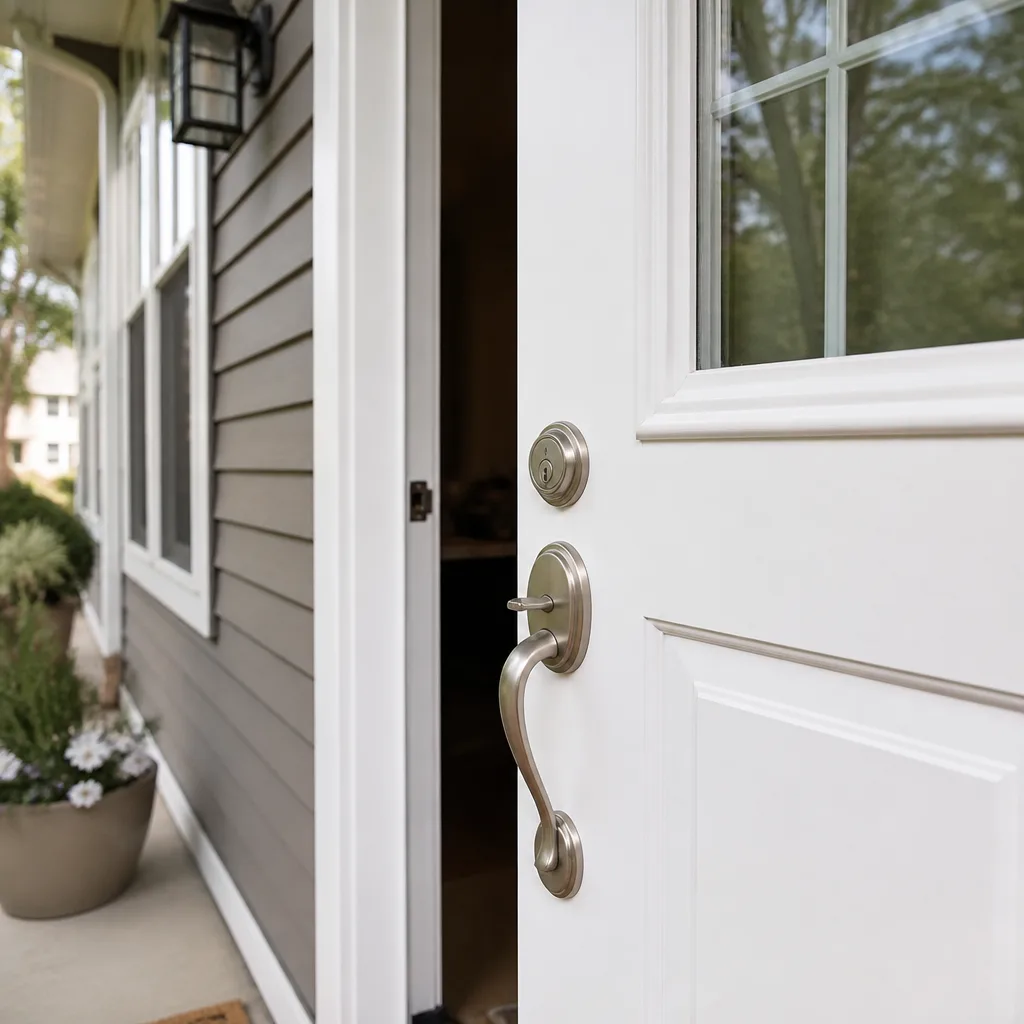
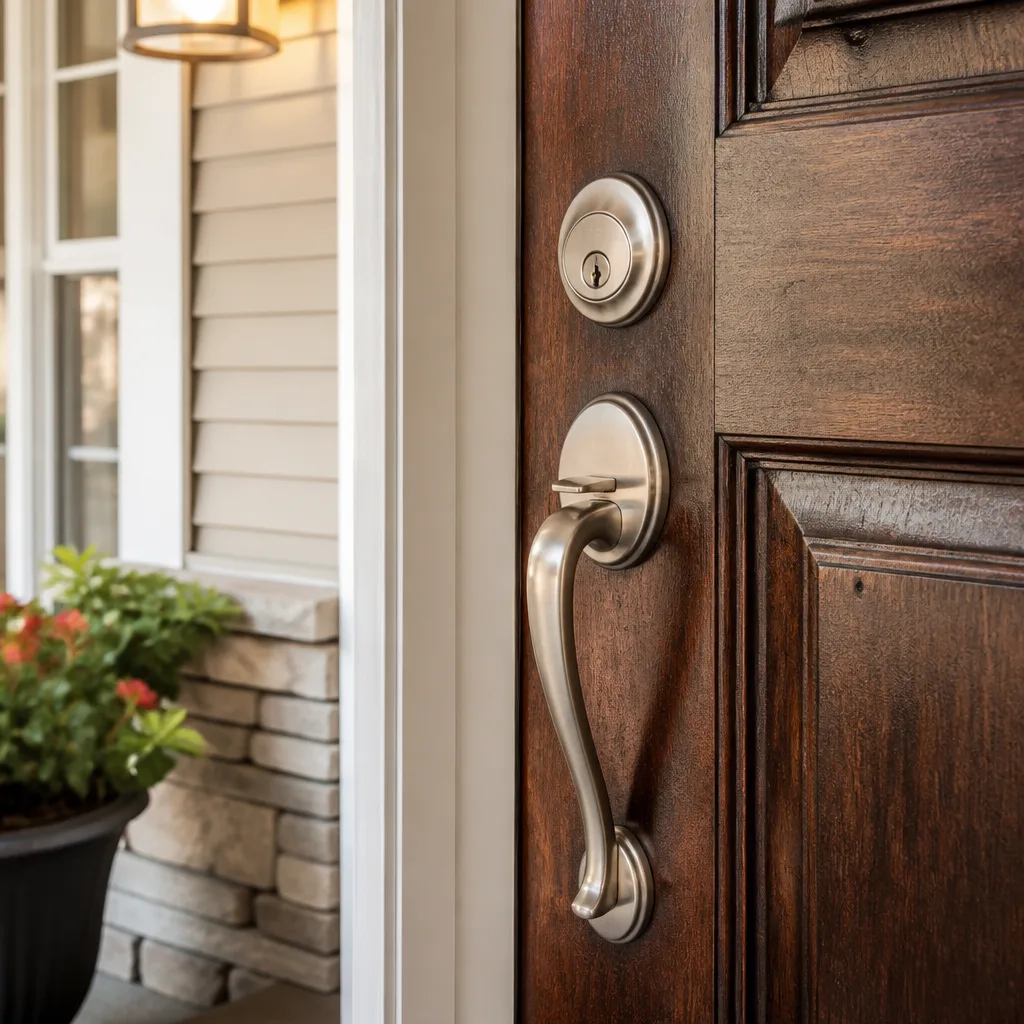
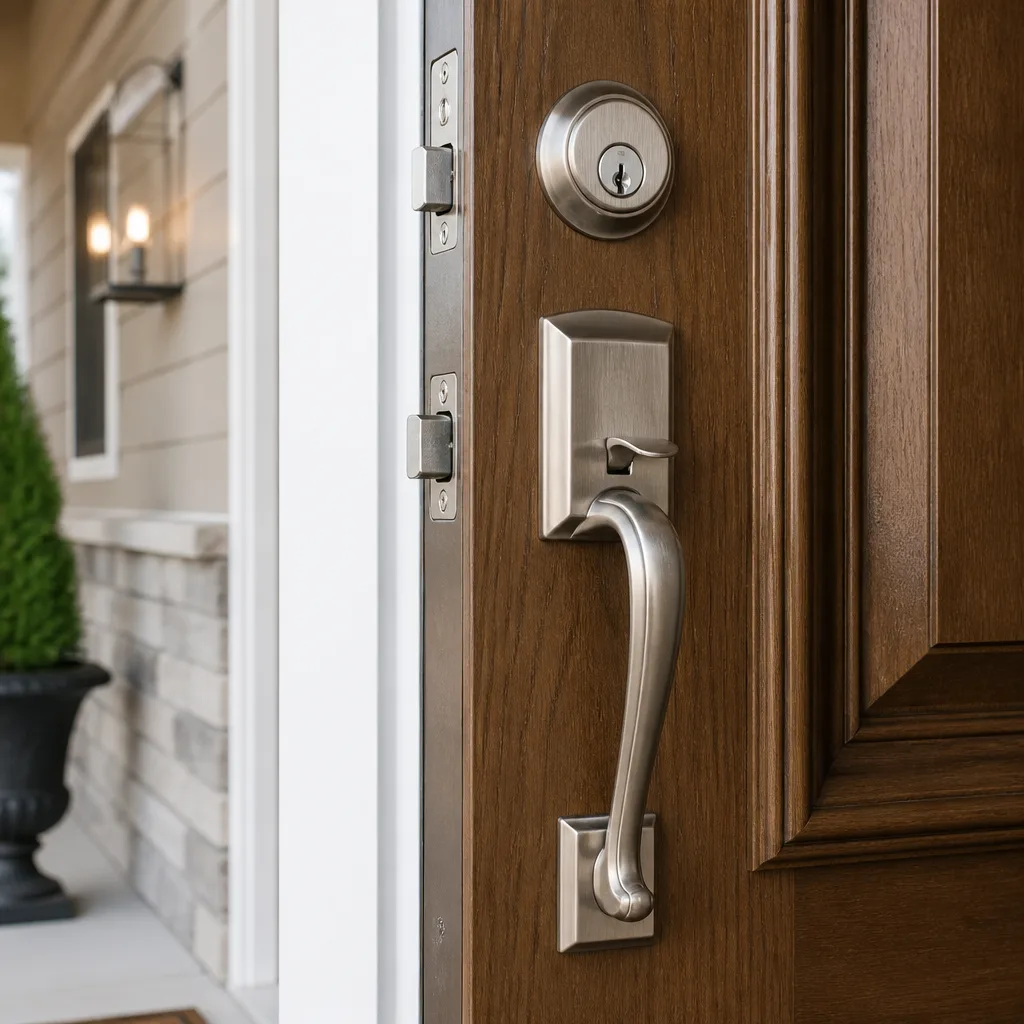
Lock Won’t Turn
When a key goes in but the lock cylinder won’t budge, the cause is almost always one of four things: a worn or damaged cylinder, a misaligned bolt, a bent or badly cut key, or a lock that has dried out and lost its lubrication. Most of these are same-day fixes. A few signal that the lock needs to be replaced rather than repaired.
A lock that stopped turning overnight – when it worked fine the day before – usually points to lubrication failure, a shifted door frame, or a key that finally wore past the point of no return. A lock that has been grinding or stiff for weeks before seizing up is telling you the cylinder is worn and has been asking for help for a while. Either way, forcing it is the wrong move. Torquing a seized cylinder with the wrong key, a screwdriver, or a pair of pliers can damage the plug beyond repair and turn a straightforward service call into a full replacement job.
Why It Happens
Worn or Binding Key
Keys are stamped metal, and they wear down with every use. Once the cuts on the blade round off enough, the key can no longer push the pins in the cylinder to the right height, and the cylinder won’t rotate. You can usually spot this one: if the key looks shiny, thin, or slightly bent along its length, the key itself is the problem. Try a spare – if the lock turns freely with the spare but not the original, you’ve found your culprit.
Dry or Contaminated Cylinder
Lock cylinders rely on a thin film of lubricant to let the internal pins and springs move freely. Over time, graphite-based or PTFE lubricants dry out, and oil-based ones attract grit that turns into a paste. The symptom is a key that goes in normally but requires real effort to turn – and may not turn at all after a cold night or a dry summer. If you can hear or feel a gritty drag rather than a clean resistance, lubrication is the likely cause.
Misaligned Door or Frame
Houses settle. Wood swells with humidity. Hinges loosen. Any of those can shift the door enough that the deadbolt or latch bolt is pressing hard against the strike plate, which puts sideways pressure on the cylinder and prevents it from rotating. The sign here is that the key turns a little – maybe 10 or 15 degrees – and then stops. If you push or pull the door while gently turning the key and it suddenly moves, the door frame is the problem, not the lock.
Damaged or Faulty Cylinder
Cylinders wear out. Springs inside the plug lose tension, pins corrode or crack, and a lock that has been through a break-in attempt may have a deformed plug from a picking or forcing attempt. If the key fits, none of the other causes seem to apply, and the lock still won’t turn, the cylinder itself is likely the issue. A technician can confirm this in a few minutes with a tension wrench and a flashlight.
What to Do Right Now
- Stop forcing it. If the lock isn’t turning, more torque will not help. It will wear the key further and can damage the cylinder pins. Put the key in slowly and try gentle pressure in both directions – if nothing moves, stop there.
- Try a spare key. If you have one, use it before anything else. A failed key copy is the most common and least expensive explanation for this symptom.
- Look at the door gap. Check the gap between the door and the frame on the latch side. If it looks uneven – tighter at the top or bottom than normal – frame shift may be binding the bolt. Do not try to adjust the strike plate yourself; note what you see so you can describe it on the call.
- Photograph the lock and keyway. A clear photo of the lock face, the key, and any visible damage helps your local Loxley Locksmith & Security team arrive with the right hardware and saves time on the job.
- Do not spray WD-40 into the cylinder. It displaces the correct lubricant and leaves a residue that attracts dust. If lubrication is the fix, the right product is a dry graphite or PTFE spray – and applying it correctly takes about 30 seconds with the right can.
How We Fix It
When your local Loxley Locksmith & Security technician arrives, the first thing they do is diagnose – not disassemble. They’ll test the key, check the door alignment, and inspect the cylinder face before touching anything. That takes about five minutes and tells them exactly what path the repair needs to take.
If the key is the problem, they’ll cut a new one on the spot. If the cylinder is dry or lightly contaminated, they’ll flush and relubricate it in place. If the cylinder is worn or damaged, they’ll remove it, assess whether a re-pin or a full cylinder replacement is the right call, and give you that recommendation in plain language. The services that cover this are our Residential Locksmith and, for commercial hardware, our Commercial Locksmith service.
Most cylinder repairs or replacements take under an hour. Before any work starts, you’ll get a written price – that is the Kingswell Way, and it is not optional. The number on that paper is the number on the invoice. And if the repair fails inside our 365-Day Done Right Promise period, we come back and fix it at no charge.
Frequently Asked Questions
Yes, depending on which side you’re on. If you’re locked out, the obvious risk is that you can’t get in. But a seized or failing lock is also a security problem in the other direction: a cylinder that’s worn past its tolerances may be easier to bypass than a functioning one. Don’t leave a damaged lock in place longer than you have to. Call (682) 281-8985 and your local Loxley team can usually get someone to you the same day.
If the lock is on an exterior door and you can’t reliably lock it, it shouldn’t wait. A cylinder that won’t turn consistently is a cylinder you can’t trust. If the affected door is secondary and you have a working lock securing the building, you have a little more flexibility – but the longer a worn cylinder runs, the more likely it ends in a full replacement instead of a simpler repair. Call (682) 281-8985 to talk it through with a live person and decide together.
In most cases, yes. Your local Loxley Locksmith & Security team handles residential lock calls and will do their best to fit you in the same day. When you call (682) 281-8985, a real person answers – not a voicemail – and they’ll give you an honest arrival window, not a four-hour range and a hope. That window is real, and we keep it.
The honest answer is that it depends on what the diagnosis turns up – a new key is not the same job as a cylinder replacement. What we can tell you is that before any work begins, you’ll have the price in writing. No figure that changes when the technician opens the lock, no trip charge added at the door. Call (682) 281-8985 and describe what you’re seeing; we’ll give you a written estimate before anyone lifts a tool.
Get It Fixed
Call (682) 281-8985 and a live person will answer. Your local Loxley Locksmith & Security team will diagnose the problem, give you a written price before any work starts, and back the repair with our 365-Day Done Right Promise. Book by phone or online – we’ll be there.
Written by Sam Rourke, Owner & Lead Locksmith, Loxley Locksmith & Security, serving homes and businesses since 2007 as part of the Kingswell family of locksmith companies.
What Our Customers Say
"Just bought our house and wanted everything rekeyed before we moved in. He did all the doors plus a new deadbolt on the back in about an hour, and gave me the price before starting. Felt safe that first night."
- Pam Oliveira"Our old office locks were sticking and half the keys didn't work right. He rekeyed the suite and fixed two door closers while he was at it. Fair price, showed up right on time."
- Victor Amaya"Changed every lock in the house after a bad breakup. He was discreet, fast, and kind about the whole situation. Wrote up a guarantee on the hardware too."
- Teresa Lyn