
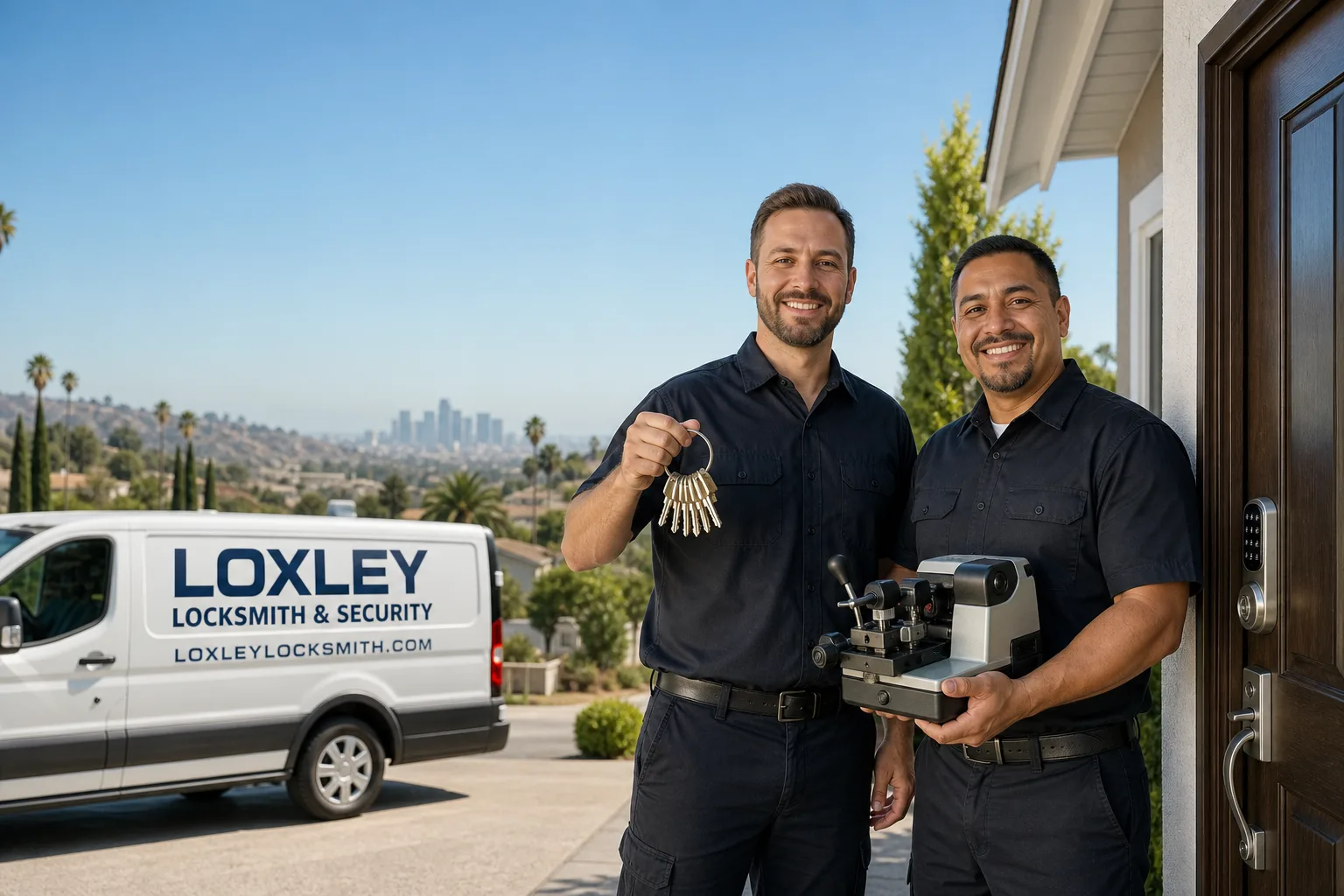
Non-destructive entry first, always - and we re-key Schlage, Kwikset, and Baldwin locks on the spot while you watch
You get a price before we start. It does not change when we arrive. No surprises.
Lost the Only Key to a Safe
What’s Happening
Losing the only key to a safe means you’re locked out of everything inside it, and there’s no backup to fall back on. A trained locksmith can decode or pick the lock, cut a new key to the safe’s factory code, or in some cases drill and re-core the lock – without destroying the safe or what’s inside it.
Most safes use a keyed lock, an electronic combination, or both. When the key is gone, the lock hasn’t failed – it’s doing exactly what it was built to do. That’s actually reassuring, because a functioning lock is far easier for a professional to open than a seized or damaged one. The urgency here isn’t danger. It’s access. And the fix is a professional visit, not a crowbar.
Why It Happens
The Key Was Lost or Misplaced (Most Common)
Safe keys are small, rarely used, and often stored somewhere “memorable” that turns out to be anything but. Unlike a house key that gets used every day, a safe key can sit untouched for months or years. If the safe opens normally when the key is present – no grinding, no stiff bolt – the lock itself is fine and a key-by-code duplication or impressioning job is likely all you need.
The Key Was a One-Off With No Code on File
Many safe manufacturers stamp a code on the original key – a number that a locksmith can use to cut a replacement without ever touching the lock. But if the key was already a copy, or if the stamp has worn off, that code is gone. You’ll know this is the case if you look at the key (or what’s left of it) and see no numbers, or if the manufacturer has no record of the serial number stamped on your safe. A locksmith can still get in, but the path is slightly longer – impressioning the lock or picking it to derive the cut depth from scratch.
The Lock Mechanism Has Seized From Disuse
Some older safe locks – particularly in safes that live in garages, basements, or storage units – develop corrosion or internal stiffness when they go long periods without use. If you insert a known-working key and it won’t turn, or turns only partway before binding, this is likely the cause. Don’t force it. Forcing a seized lock can shear the key stub inside the cylinder, which turns a fixable problem into a significantly harder one.
The Original Key Was Never Kept (Inheritance or Second-Hand Safes)
Inherited safes and safes bought at estate sales often arrive without any key at all. The combination may be set to a factory default no one knows, and the keyed override – the backup for when the electronics fail – is missing entirely. These jobs require a locksmith to identify the safe model, trace the manufacturer’s records if a serial number is visible, and work from there. It takes a little longer, but it’s a routine job for someone who works on safes regularly.
What to Do Right Now
- Stop trying to force it open. A pry bar, drill, or improvised tool will damage the bolt work and can destroy the contents you’re trying to reach. A locksmith can open most residential safes non-destructively. Forcing it removes that option.
- Find the safe’s serial number and manufacturer label. It’s usually on the back, inside the door frame, or on the underside. Photograph it. This is the single most useful piece of information you can hand a locksmith – it may allow key duplication straight from a factory code.
- Check everywhere the key might have been stored. A keyed safe lock is precise. Even a rough duplicate cut from memory of what the key “looked like” won’t work. If there’s a chance the key is somewhere in the house, it’s worth a thorough search before calling – but don’t delay if it’s genuinely gone.
- Note whether the safe has an electronic keypad in addition to the keyed lock. Some safes have a keyed override that bypasses the combination. Others are keyed only. Knowing which you have helps your locksmith arrive prepared with the right tools.
- Don’t call a locksmith and then attempt the lock yourself while you wait. A fresh lock is much easier to work with than one that’s been partially damaged. Leave it exactly as it is.
How We Fix It
When your local Loxley Locksmith & Security technician arrives, the first thing they do is examine the safe – the brand, the model, the lock type, and the condition of the cylinder. Before any tools come out, you get a written price. That’s not a formality here; it’s how we work on every job, every time. No figure that changes once the work starts.
From there, the most common path is key-by-code duplication: if a serial number is on file with the manufacturer, a replacement key can be cut to spec without touching the lock at all. If no code is available, a skilled technician can impression the lock – a process of reading the lock’s internal cuts from a blank key – or pick it, which leaves the lock fully intact. In cases where the cylinder itself is seized or damaged, it may need to be replaced or re-keyed.
Most residential safe openings take between 30 minutes and an hour. The work is covered by the 365-Day Done Right Promise: if anything we did fails inside that period, we come back and fix it at no charge. That’s in writing, not on request.
This falls under our Residential Locksmith service. If the safe is at a business location, our Commercial Locksmith team handles it on the same terms.
Frequently Asked Questions
In most cases, a locksmith can open a residential safe without drilling, using key-by-code cutting, impressioning, or picking – all of which leave the lock intact. Drilling is a last resort used only when the lock is mechanically damaged or the safe model leaves no other viable entry point. A good technician will tell you upfront which method applies to your safe and what each option costs, in writing, before touching anything.
No, a locked safe is not a safety hazard. The urgency depends entirely on what’s inside – medications, important documents, a firearm with no other storage. If any of those apply, call sooner rather than later. Otherwise, the lock is stable and there’s no risk in waiting a short time for a professional. Call us at (682) 281-8985 and we’ll give you an honest read on timing.
Your local Loxley Locksmith & Security team handles safe lockouts as part of our residential locksmith service, and we work to real arrival windows – not vague estimates. A live person answers at (682) 281-8985 around the clock, so you can find out what’s available right now without leaving a message and waiting.
Not usually. The safe itself is almost certainly fine – the lock is the only part involved, and a locksmith can either get you a new key or re-key the lock cylinder so a new key works going forward. Replacing the whole safe because of a lost key is like replacing a car because you lost the spare. It’s very rarely necessary, and a technician can tell you after the opening whether any part of the lock needs replacing.
Get It Fixed
Call (682) 281-8985 – a real person answers, any time of day. Tell us about the safe and we’ll get your local Loxley Locksmith & Security technician scheduled with a real arrival window and a written price before anything starts. No guesswork, no surprises.
Written by Sam Rourke, Owner & Lead Locksmith, Loxley Locksmith & Security, serving residential and commercial customers since 2007 as part of the Kingswell family of locksmith companies.
What Our Customers Say
"Just bought our house and wanted everything rekeyed before we moved in. He did all the doors plus a new deadbolt on the back in about an hour, and gave me the price before starting. Felt safe that first night."
- Pam Oliveira"Our old office locks were sticking and half the keys didn't work right. He rekeyed the suite and fixed two door closers while he was at it. Fair price, showed up right on time."
- Victor Amaya"Changed every lock in the house after a bad breakup. He was discreet, fast, and kind about the whole situation. Wrote up a guarantee on the hardware too."
- Teresa Lyn