
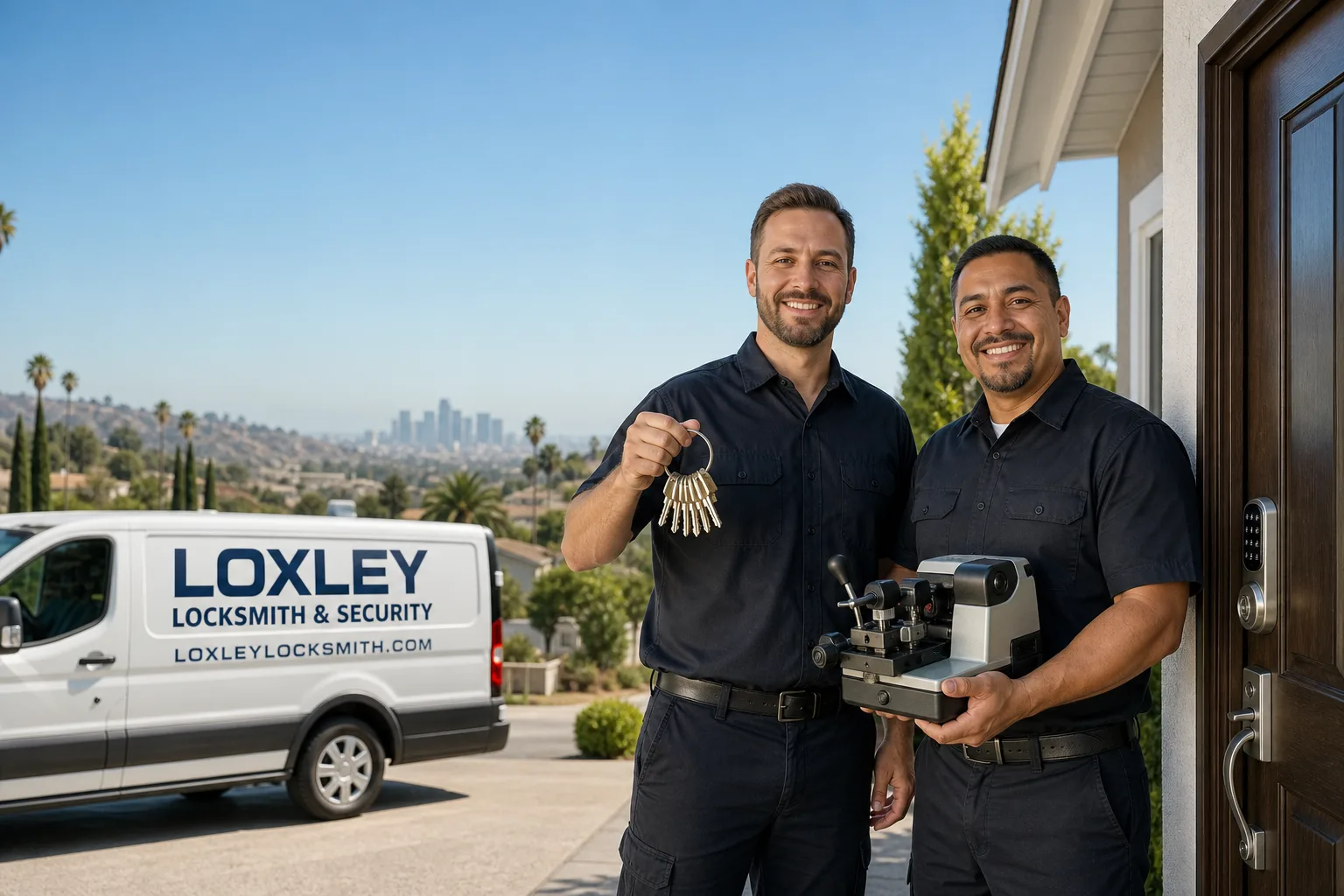
Non-destructive entry first, always - and we re-key Schlage, Kwikset, and Baldwin locks on the spot while you watch
You get a price before we start. It does not change when we arrive. No surprises.
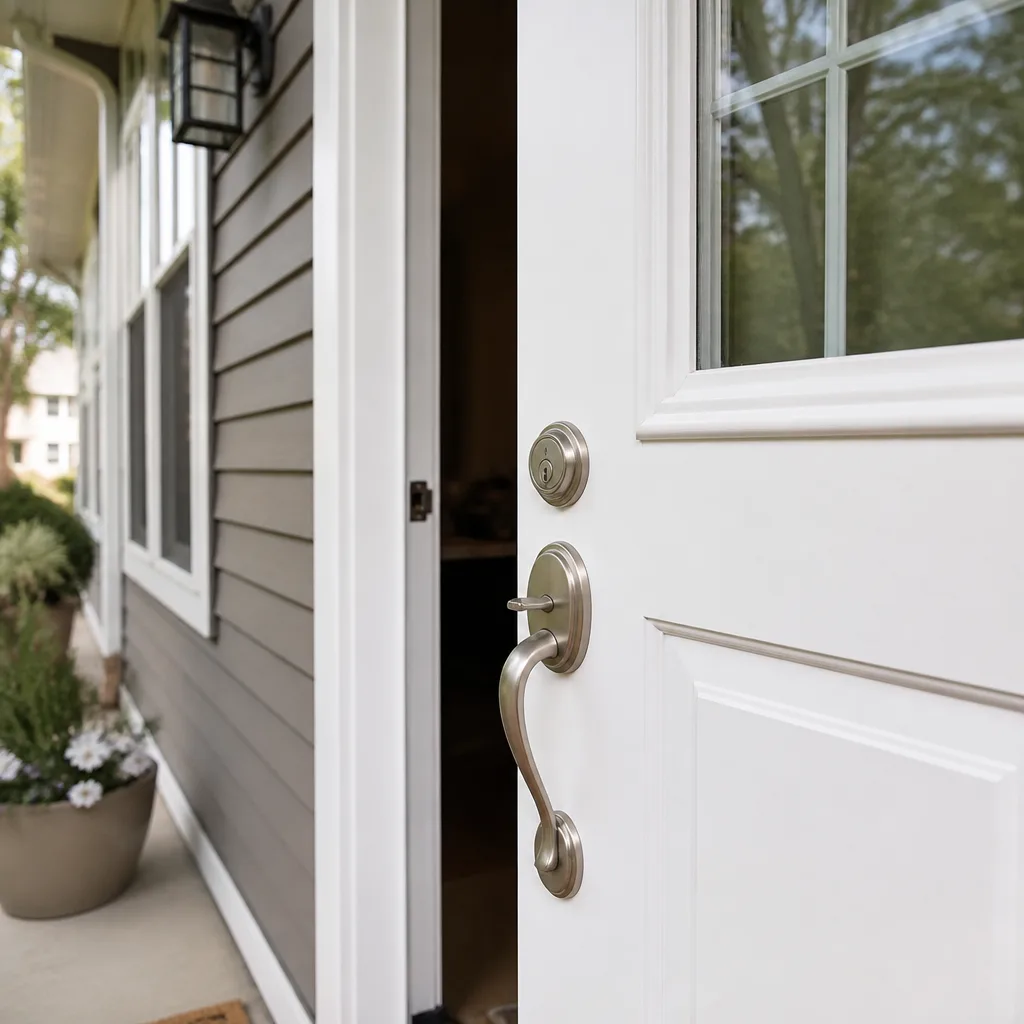
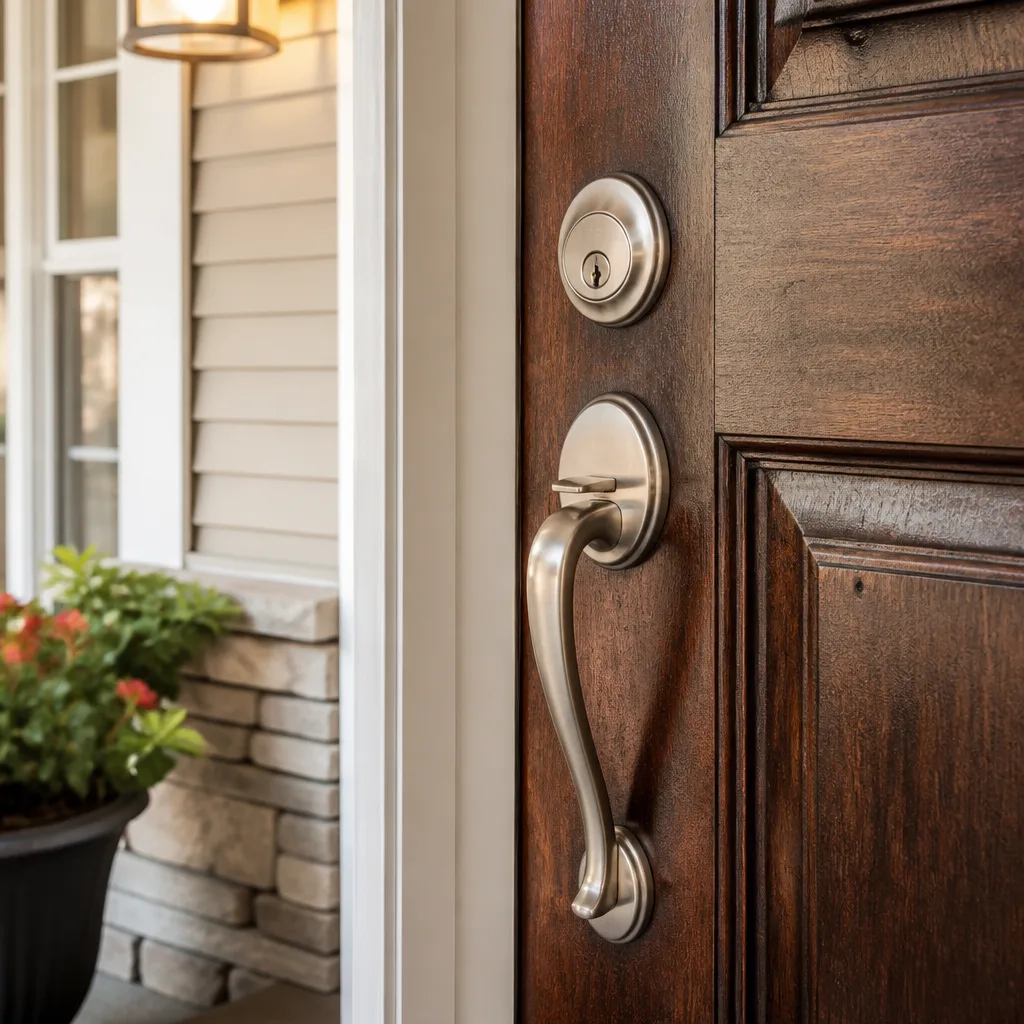
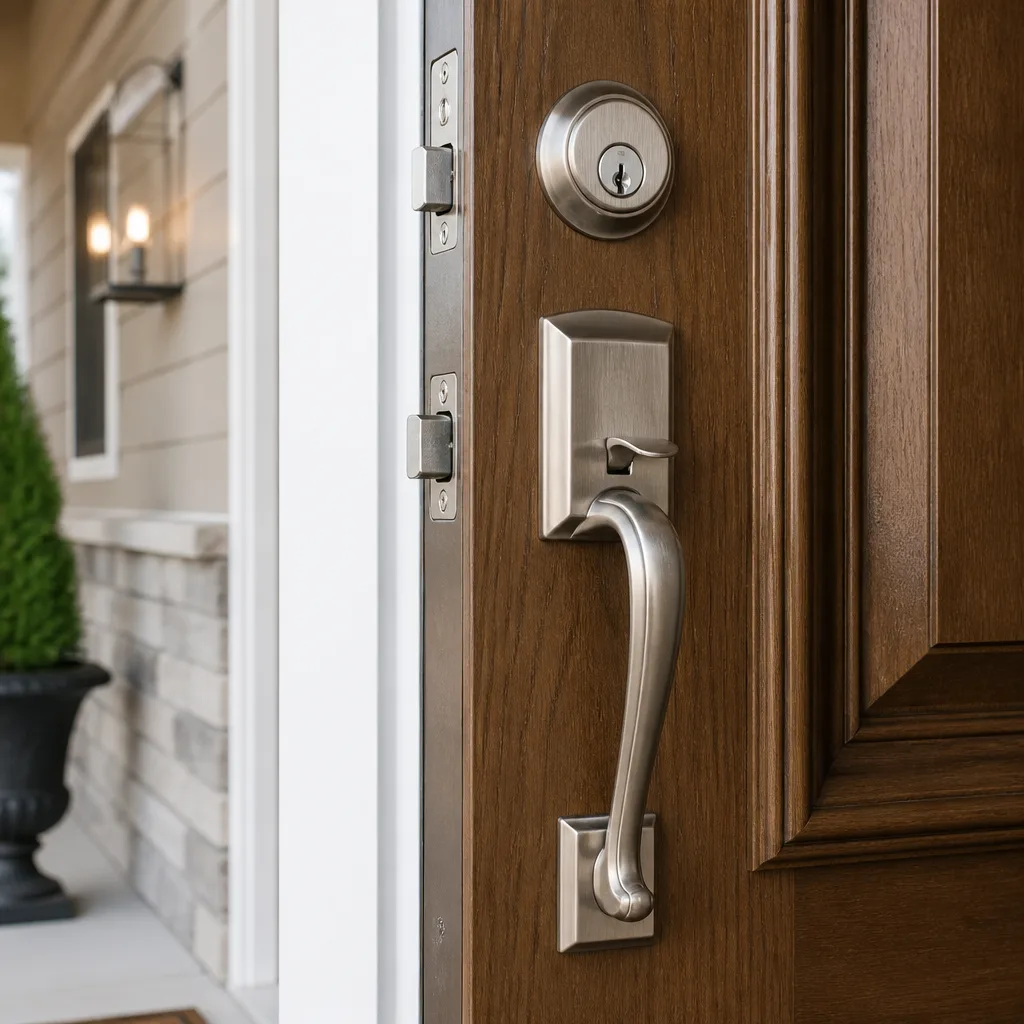
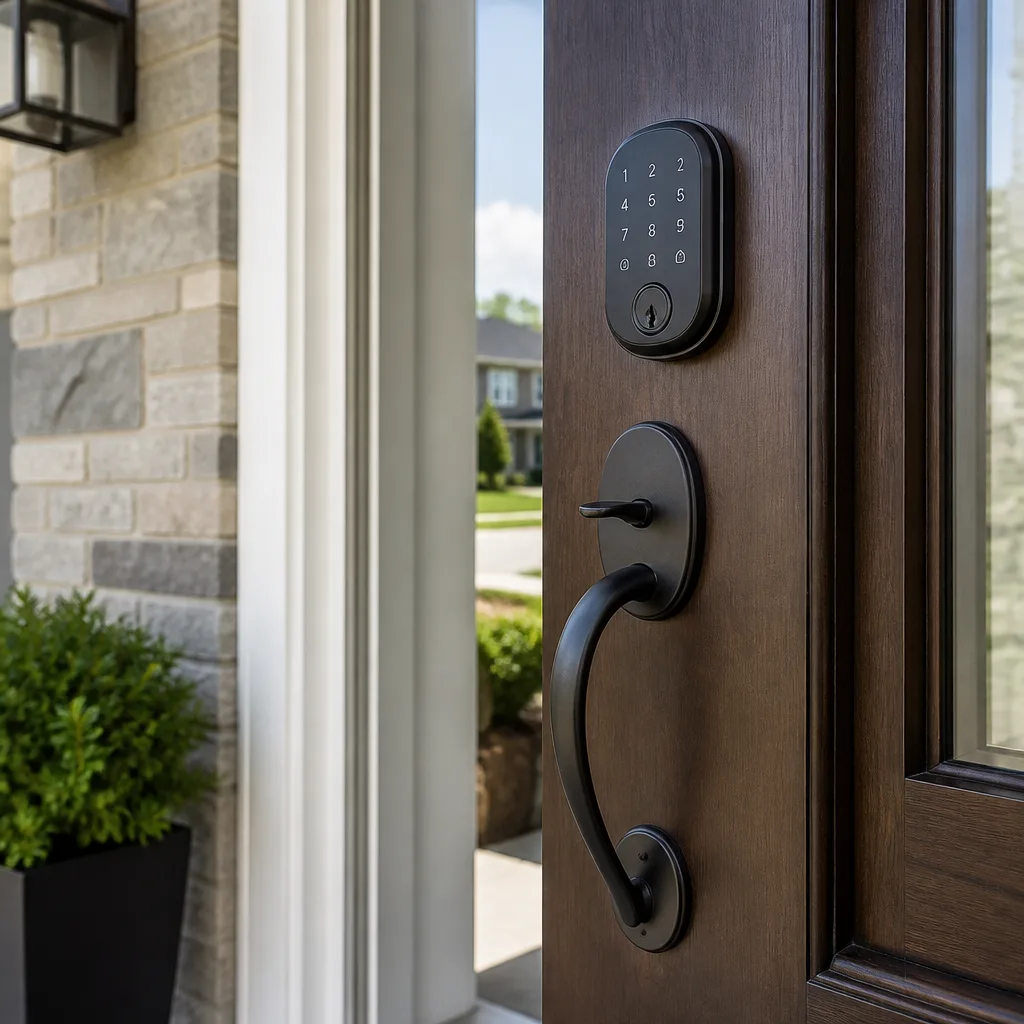
Fast, Reliable Access Control Systems Across Stanford
Access control system installation in Stanford typically runs $2,800-$7,500 for a standard commercial or multi-unit residential setup, with most projects surveyed and scheduled within 48 hours. Door access control retrofits for Stanford’s older faculty housing start around $1,800 when the existing mortise hardware can be rekeyed rather than replaced. We’re the Access Control Systems team at Loxley Locksmith & Security, and we’ve worked the specific hardware landscape that Stanford University property demands. Dispatch and scheduling are coordinated from our San Francisco Bay Area office, and crews serve Stanford directly. Call (682) 281-8985 to speak with a live person and book a free on-site estimate.
Why Loxley Locksmith & Security Is Stanford’s Preferred Access Control Systems Company
We’ve been part of the Kingswell family of locksmith companies since 2007, and that network’s written standard travels with us to every job in Santa Clara County. The Kingswell Way means we say the price before the work starts, show up in the window we gave, leave the place cleaner than we found it, put the guarantee in writing, and come back if it fails.
Our technicians are background-checked and uniformed. They arrive with hardware from Schlage, Medeco, Yale, and Baldwin already in the van, not on a “we’ll order it” timeline that stretches your project across multiple visits. Calls are answered by a live person, 24/7, not a callback queue.
What matters in Stanford is institutional fluency. Because Stanford University holds title to nearly all property in this Census-Designated Place, even a cylinder swap on a faculty-leased cottage on Alvarado Row must use the university’s specified system cores (Corbin Russwin or BEST) approved through the Stanford lock shop - a requirement that simply doesn’t exist a mile away in Palo Alto or Menlo Park. A locksmith who doesn’t know this arrives with the wrong hardware and wastes your afternoon. We coordinate directly with Stanford Facilities when the job requires it, so the work passes inspection the first time.
Access Control System Installation in Stanford
Access Control System Installation in Stanford means designing and deploying electronic entry systems that work within the university’s proprietary master-key hierarchy and historic-preservation guidelines. Most projects we handle here fall into two categories: retrofits for university-leased faculty housing where the existing mortise lock must be preserved or adapted, and new installations for Research Park offices or graduate-student complexes that need cloud-managed credentialing.
A typical keypad entry system for a small Stanford office or lab runs $2,800-$4,200 installed. Key card reader systems with localized controllers range $4,500-$6,800. Full cloud access control with biometric readers and remote administration starts around $6,200 and can reach $7,500 for multi-door setups with electric strikes and integration into existing building management systems.
Faculty Housing Retrofits
Early-20th-century cottages along Alvarado Row and Santa Ynez Street often retain vintage mortise hardware that must be rekeyed to current Stanford cylinder standards when tenants turn over. We don’t rip out character-defining hardware unless it’s structurally failed. Instead, we extract the old core and install a Stanford lock-shop-approved BEST cylinder pinned to the university’s grand-master system. The door looks the same. The key hierarchy works. The historic-preservation office is satisfied.
Research Park and Campus Perimeter Systems
Modern office buildings near Page Mill Road or along Sand Hill Road need credentialing that scales. We install cloud-based systems that let facilities managers add or revoke access remotely, audit entry logs in real time, and integrate with existing intercom or video systems. The hardware is contemporary. The coordination with Stanford Facilities is still required for any university-owned shell.
Door Access Control in Stanford
Door Access Control in Stanford requires understanding which doors can accept modern hardware and which are locked into historic or institutional specifications. A homeowner in Menlo Park can walk into a hardware store and buy any ANSI Grade 1 deadbolt. A Stanford faculty lessee cannot. The university’s property system dictates core compatibility, and its historic-preservation guidelines restrict visible hardware changes on Quad-area buildings.
Door access control retrofits for standard faculty homes typically run $1,800-$3,400 when we’re adapting existing mortise locks. New electric strike installation with standalone keypad control runs $2,200-$3,800. Intercom systems with door release, common in multi-unit graduate housing, range $2,600-$4,500 depending on wiring infrastructure.
When Rekeying Works
If the mortise chassis is sound and the door frame is true, we rekey. This means changing the internal pin configuration so old keys no longer operate the lock, then fitting a Stanford-compatible core. It costs less. It preserves the building’s fabric. And it’s usually what the university prefers for tenant turnovers in historic housing stock.
When Replacement Is Actually Necessary
Some vintage cylinders are too worn for reliable pinning. Some mortise bodies have cracked castings or stripped mounting screws. Some door frames have swollen or settled so far out of square that the latch and strike no longer mate. We tell you plainly which situation you’re in, with the door open and the hardware in our hands, before any work proceeds. The written price reflects what we actually find, not what we hope to sell.
Trusted Brands We Service in Stanford
We stock and service hardware from Schlage, Medeco, Yale, and Baldwin, with same-day or next-day parts availability for most Stanford jobs. For university-coordinated work, we source Corbin Russwin and BEST cores through channels that Stanford Facilities recognizes. We don’t substitute. We don’t improvise. If your job requires a specific manufacturer’s language to maintain warranty or institutional compliance, we speak it fluently and we document what we installed for your records and the university’s.
Common Access Control Systems Problems We See in Stanford Homes
- Dry-summer dust packs into exterior keyways on older Quad-area buildings, causing pins to stick and keys to bind. Tenants often assume the cylinder is worn and needs replacement. Usually it’s grit. We flush the keyway, lubricate with a dry graphite formula appropriate for the fine Central Valley dust, and test with the original key before recommending any hardware change.
- Wood door frames in early faculty housing swell each November when the rainy season arrives. A deadbolt or latch that operated smoothly in September now binds in the strike. The tenant reports the lock “failed.” The hardware is fine. The frame moved. We diagnose the actual problem, relieve the binding with precise strike adjustment or frame planing where appropriate, and don’t sell you a lock you don’t need.
- Off-the-shelf big-box cores won’t match Stanford’s proprietary Corbin Russwin/BEST grand-master hierarchy. Any cylinder replacement done without lock-shop approval gets rejected on inspection. We’ve seen it happen. A well-meaning homeowner or property manager buys a standard Schlage core, installs it, and learns weeks later that their key no longer integrates with the building master system. We prevent this by verifying university specifications before we open the packaging.
- Historic Quad-area buildings require hardware that meets both ADA compliance and university historic-preservation guidelines. The acceptable product set is narrow. Lever styles, finishes, and backset dimensions are specified. We know the current approved list and we confirm it before quoting, so you’re not paying for a door full of hardware that the preservation office will make you remove.
Pricing for Access Control Systems in Stanford, CA
Here’s what access control work actually costs in Stanford’s market. These are installed prices, with labor and basic programming included. Every project gets a written scope and flat per-lock price before we begin. No call-out surcharge. No figure that changes when we arrive.
| Service | Typical Range in Stanford |
|---|---|
| Keypad entry system (single door, standalone) | $2,800 - $4,200 |
| Key card reader with localized controller | $4,500 - $6,800 |
| Biometric reader installation | $3,200 - $5,400 |
| Cloud access control (multi-door, managed) | $6,200 - $7,500 |
| Electric strike installation | $1,400 - $2,600 |
| Intercom system with door release | $2,600 - $4,500 |
| Door access control retrofit (mortise adapt) | $1,800 - $3,400 |
What moves the price: number of doors, existing wiring condition, need for university lock-shop coordination, historic-preservation approval timelines, and whether we’re rekeying existing hardware or installing new. We survey, we scope, we write it down. You approve the number before we touch a tool. Call (682) 281-8985 for a free estimate.
We Also Serve Cities Near Stanford
Our crews work throughout the Peninsula. If you’re in Stanford or nearby Palo Alto, Menlo Park, Atherton, or Los Altos, the same Kingswell standard applies: written price, kept arrival window, clean job site, written guarantee. We coordinate with Stanford Facilities for university-property work and with local property managers for commercial installations in each city’s distinct building stock.
Serving Stanford, CA - Our Local Coverage Area
We’re based in the Stanford area and know this community well. Use the map below to see our service coverage - if you’re nearby, we can almost certainly help.
FAQs About Access Control Systems in Stanford
Usually we can rekey it. If the mortise chassis is structurally sound and the door frame hasn’t warped beyond adjustment, we extract the old cylinder, pin a new Stanford lock-shop-approved BEST core to the university’s grand-master system, and reinstall it. Replacement only becomes necessary when the body is cracked, the bolt is worn oblong, or the mounting has stripped beyond repair. We’ll show you the condition before we quote either path. Call (682) 281-8985 and we’ll schedule a look.
Because Stanford University holds title to the property and maintains a proprietary master-key hierarchy across all its buildings. Any cylinder must be Corbin Russwin or BEST format, approved by the Stanford lock shop, and pinned to integrate with the grand-master system. A consumer smart lock or standard deadbolt core breaks that chain. Facilities will reject it on inspection, and you’ll pay twice. We source the right hardware through the right channels.
Probably not. Wood door frames in Stanford’s early faculty housing swell predictably each November when the rainy season starts. The deadbolt or latch binds in the strike plate, and it feels like the lock has failed. The hardware is typically fine. We diagnose frame movement versus hardware failure, adjust or relieve the strike location, and only replace locks that are actually defective. We’ve freed more winter-bound doors than we can count.
Yes. Stanford’s historic-preservation guidelines specify acceptable lever styles, finishes, backsets, and visible profiles for buildings in the Quad district. The hardware must also meet ADA compliance. The acceptable product set is considerably narrower than for modern construction. We confirm the current approved list with Facilities before quoting, so your installation passes both accessibility and preservation review.
Most non-destructive entries on standard residential or commercial doors take 10-30 minutes once we’re on site. Response to Stanford is typically same-day for calls received during business hours, and our 24/7 live answering means you speak to a person immediately, not a callback queue. We were called to an early-20th-century faculty cottage on Santa Ynez Street where a November door-frame swell had bound the original mortise lock so badly the tenant couldn’t turn the thumbturn. After freeing the door with non-destructive entry, our tech found the vintage mortise cylinder was pinned to the old university format; rather than force a modern drop-in, we pulled the core and rekeyed it to a Stanford lock-shop-approved BEST cylinder so the grand-master system still worked. Call (682) 281-8985 for immediate response.
Written by Sam Rourke, Owner at Loxley Locksmith & Security, serving Stanford and the broader San Francisco Bay Area as part of the Kingswell family of locksmith companies since 2007.