
Last updated October 8, 2026
Non-destructive entry first, always - and we re-key Schlage, Kwikset, and Baldwin locks on the spot while you watch
You get a price before we start. It does not change when we arrive. No surprises.
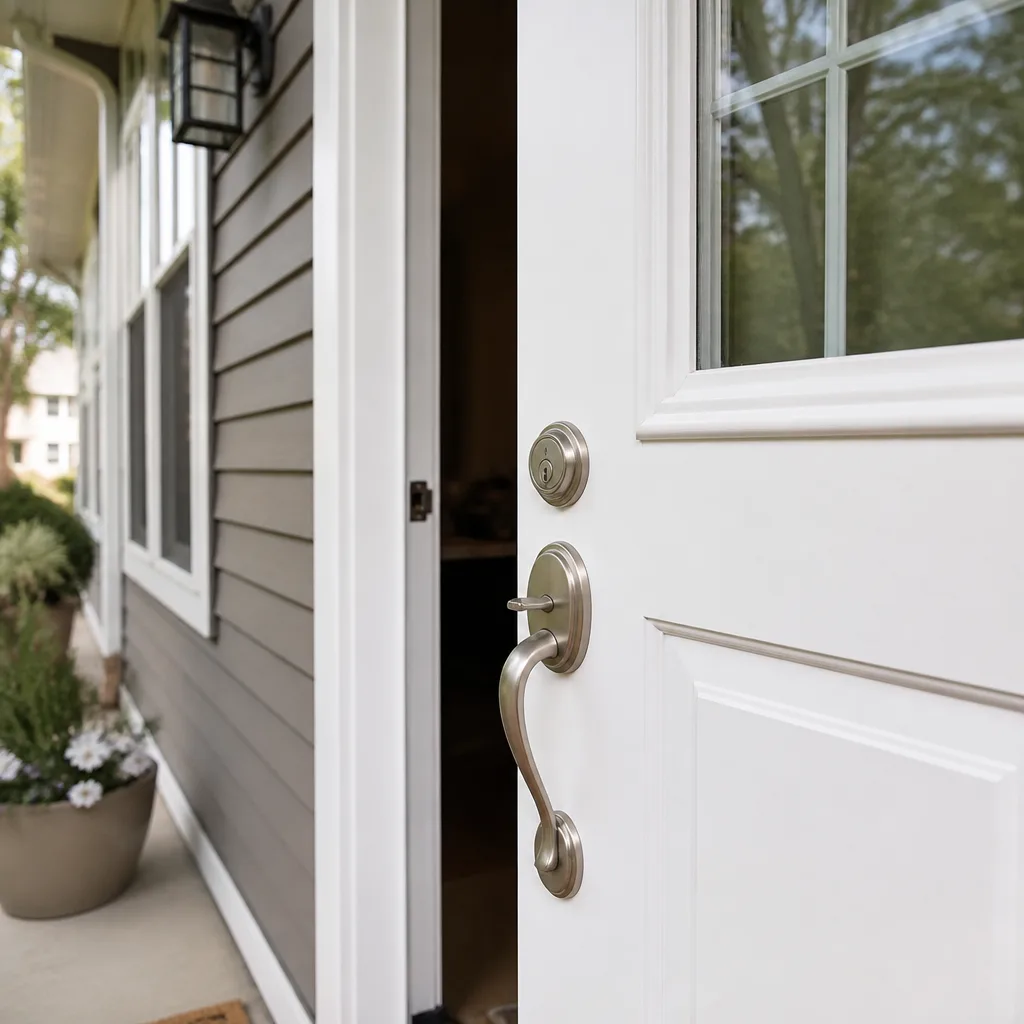
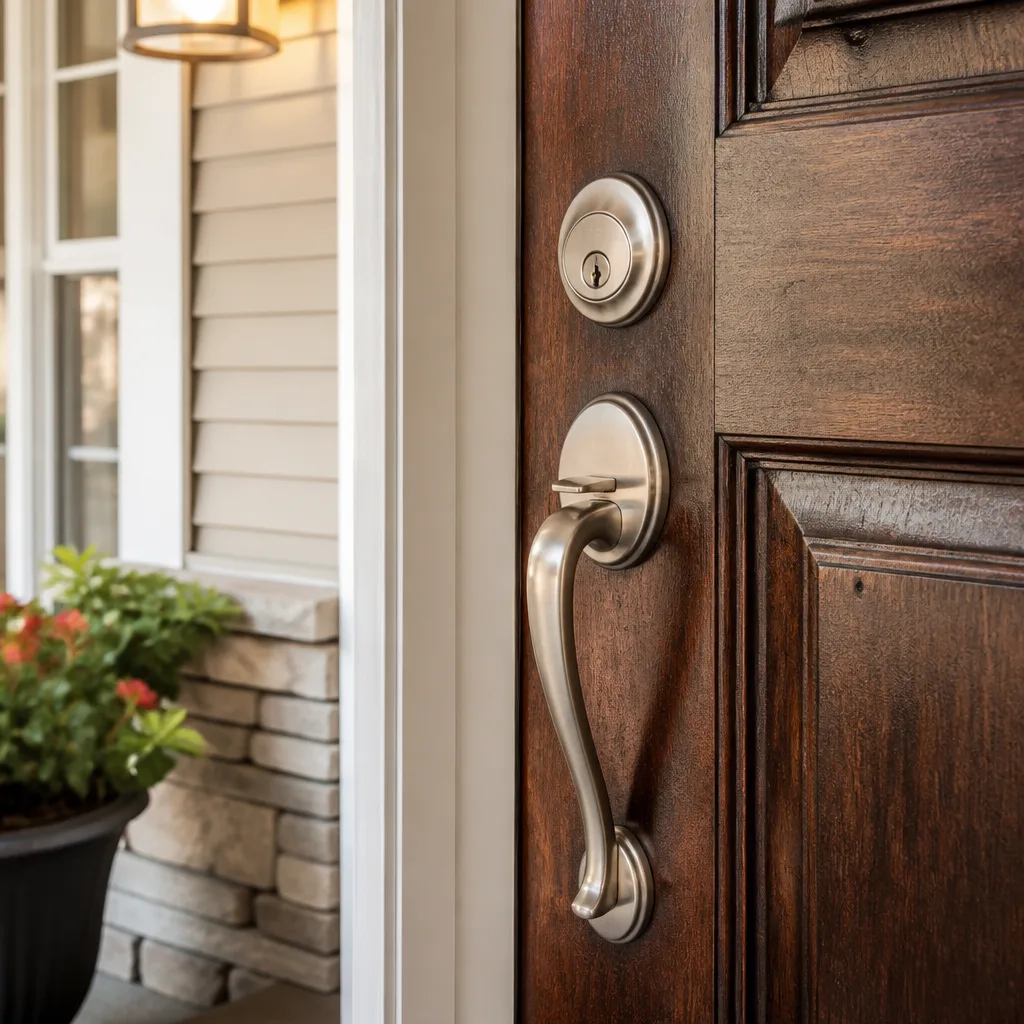
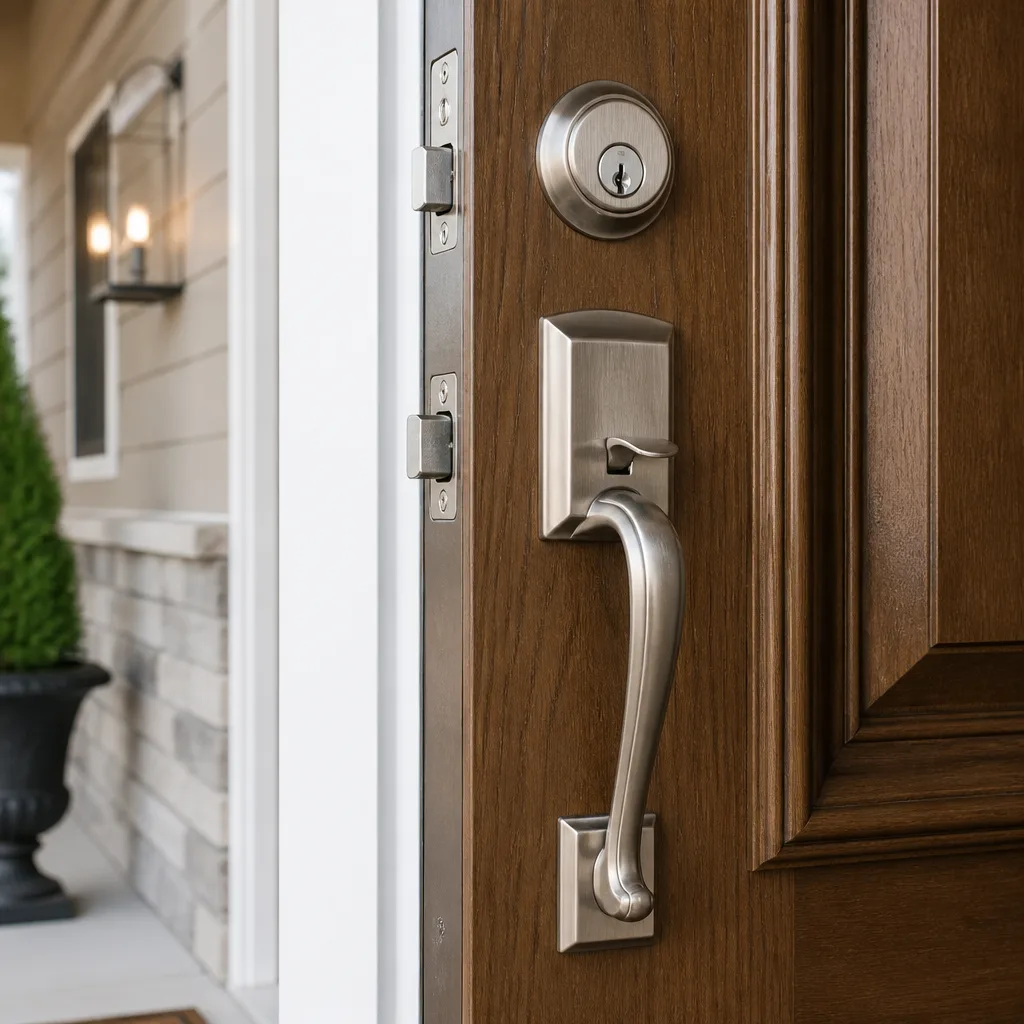
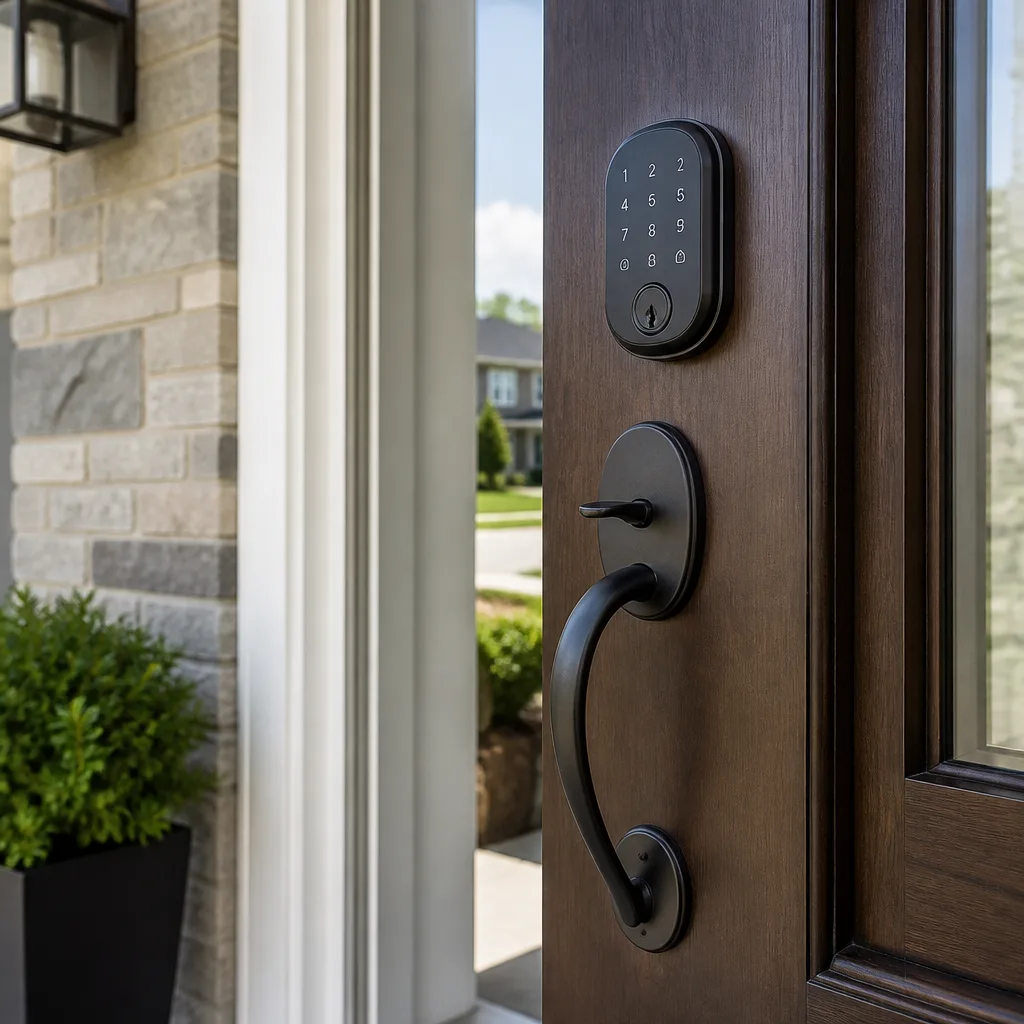
How Long Does Commercial Locksmith Take? Timelines and What to Expect
A commercial rekey quoted over the phone as “about an hour” can easily run four hours if no one told the locksmith there’s a master-key series across six doors. The scope conversation before the job starts is what controls the clock, not the locksmith’s raw speed. This guide breaks down realistic timelines for every common commercial job in Los Angeles, the variables that stretch them, and how to schedule around your business instead of against it. You’ll learn how to give a complete scope up front so the quote holds and the job doesn’t stall waiting for parts that should have been on the truck.
Quick Answer
Most commercial locksmith jobs take between 30 minutes and 4 hours on site. A single-door rekey runs 30 to 60 minutes, a master-key system rekey across multiple doors takes 2 to 4 hours, and a new electronic access control installation can take 4 to 8 hours depending on the number of doors and whether wiring already exists. The honest answer depends on door count, hardware type, and how much accurate information the locksmith gets before dispatch.
Table of Contents
- Realistic Timelines by Job Type
- The Variables That Stretch Any Timeline
- How to Give a Complete Scope Before the Locksmith Arrives
- Locksmith Time vs. Business Disruption Time
- When to Schedule: The Los Angeles Commercial Reality
- Red Flags That Signal a Job Will Run Over
- What Actually Happens During a Commercial Job
- Common Mistakes to Avoid
- When to Call a Professional
- Frequently Asked Questions
Realistic Timelines by Job Type
Here’s what we tell commercial customers in Los Angeles when they ask how long a locksmith job takes. These ranges assume the locksmith arrives with the right hardware already on the truck. When the scope is incomplete, every one of these numbers slides toward the longer end. We’ve spent eighteen years in this city learning that transparency about time is as important as transparency about price. The Kingswell Way that governs every Loxley job means the arrival window you’re given is one we actually keep.
Single-Lock Rekey: 30 to 60 Minutes
Rekeying one commercial lock means changing the internal pins so the old keys stop working and new keys operate the cylinder. This is the fastest job we do. If it’s a standard Schlage or Kwikset commercial-grade lock, a technician can typically complete the work in under an hour. The job involves removing the cylinder, swapping the pins, reassembling, and testing with the new key. If the lock is a Medeco high-security cylinder, expect the longer end of that range. Medeco pins are precision-machined and keyed to tighter tolerances, which means the work takes more care. The price difference between a standard Schlage rekey and a Medeco rekey reflects that extra labor, not just the brand name.
Master-Key System Rekey: 2 to 4 Hours
This is the job that most often surprises business owners on time. A master-key system means your locks operate on two or more key levels: a master key that opens everything, and subordinate keys that open specific doors or groups of doors. Rekeying a master system isn’t just pinning one cylinder. Every lock in the system has to be repinned to work with both its own key and the master. A six-door master system in a Los Angeles office suite typically takes 2 to 3 hours. A twelve-door system across multiple suites can run 4 hours or more. The pinning math has to be worked out before the first cylinder is opened, and every lock gets tested against every key level. One wrong pin depth means a door that doesn’t open with the key it should, and that means starting over on that cylinder.
Lock Replacement: 45 Minutes to 2 Hours Per Lock
Replacing a commercial lock usually runs faster than a full master rekey but slower than a simple rekey. The range depends on whether the new hardware matches the existing door prep. If you’re swapping a Schlage mortise lock for another Schlage mortise lock with the same footprint, it’s a 45-minute job. If the door was prepped for a cylindrical lock and you’re upgrading to a mortise body, the technician has to modify the door, and that pushes the job toward 2 hours per lock. Los Angeles has a lot of older commercial buildings, especially in the downtown corridor and around Hollywood, where doors were prepped decades ago for hardware that’s no longer manufactured. In those cases, we often recommend a retrofit plate rather than cutting new door prep, which keeps the timeline down and preserves the door.
Electronic Access Control Installation: 4 to 8 Hours
Installing an electronic access control system on a single commercial door is a half-day job. On multiple doors, it’s a full day or longer. The work includes mounting the card reader or keypad, installing the electric strike or magnetic lock, running low-voltage wiring back to the controller, and programming credentials. If the building already has conduit or easy ceiling access, a four-door system might go in during one long day. If the building is older construction with hard ceilings and no existing pathways, the same four-door system can take two days. This is where the scope conversation matters more than any other job type. A locksmith who quotes you two hours for a four-door access system without asking about the building’s construction is guessing, and the guess will be wrong.
Safe Service: 1 to 3 Hours
Safe work covers lockouts, combination changes, and lock replacement on commercial safes. A simple safe lockout where the technician can drill and repair a small opening usually runs 1 to 2 hours. A combination change with no complications is often under an hour. But a safe that requires full lock replacement, or a safe with a relocker that’s triggered, can stretch to 3 hours or more. Most Los Angeles commercial safes we service are Sentry, Gardall, or Amsec units, and the timeline depends heavily on the safe’s construction and fire rating. Thicker steel and composite fill mean slower drilling and more careful repair work afterward.
The Variables That Stretch Any Timeline
Every timeline above has a range because real jobs run into real conditions. Here are the variables we see most often in the Los Angeles area, and how each one affects the clock.
- Door count and lock count. Five locks take five times as long to rekey as one lock. It sounds obvious, but we routinely get calls where someone said “rekey the office” and meant twelve doors. The more precise your count, the more precise our time estimate.
- Hardware brand and type. Schlage and Kwikset commercial cylinders rekey quickly. Medeco and Abloy cylinders take longer because of their tighter tolerances and specialized pinning. Electronic hardware adds programming time on top of installation time.
- Age and condition of the existing hardware. A twenty-year-old lock that’s never been serviced may have corroded internals. Disassembly takes longer, and sometimes the cylinder can’t be rekeyed at all and needs replacement instead. We see this often in buildings near the coast, where salt air accelerates corrosion.
- Door condition. A sagging door or a misaligned strike plate can add 20 to 30 minutes per door. The lock isn’t the problem, but the lock job becomes a door job. We’ll always flag it before starting rather than working around it and leaving you with a lock that binds.
- Master-key configuration. Master systems add pinning complexity. The more key levels you have, the longer each cylinder takes. A two-level system is straightforward. A four-level system with cross-keying takes real focus and real time.
- Building access and security protocols. If the technician has to be escorted between floors, sign in and out of each area, or wait for a facility manager to open doors, that time adds up. We factor it in when we know about it, which is why we ask during the scope call.
How to Give a Complete Scope Before the Locksmith Arrives
The single most effective way to keep a commercial locksmith job on time is to give complete information before the technician is dispatched. Here is the exact checklist we walk through on every commercial call, and it’s the same information any reputable Los Angeles locksmith should be asking you for.
- Count every door and every lock. Include back doors, utility doors, storage closets, and gates. If the key operates it, we need to know about it.
- List the hardware brands. Look at the face of the lock. The brand is usually stamped right on it. If you see Schlage, Medeco, Kwikset, or Abloy, tell us. If you can’t identify it, describe what the key looks like and where the brand marking appears.
- State whether master keys exist. If one key opens everything and other keys open only some doors, that’s a master system. Say so up front. The answer changes the pinning work entirely.
- Describe the current problem. Are you rekeying because of a turnover? A lost key? A break-in? Is a lock broken, or just being changed? The reason matters because a break-in response is different from a planned rekey.
- Tell us about the building. Rough age, type of construction, and whether doors are wood, hollow metal, or glass storefront. This affects hardware options and installation time.
- Flag any access restrictions. Loading docks, freight elevators, security desks, restricted floors. If we need to be escorted, we need to know before we schedule the arrival window.
When a customer gives us this information on the phone, the quote we put in writing is accurate, the truck is stocked with the right hardware, and the technician walks in ready to work. That’s the difference between a job that finishes in the time we said and a job that stalls while someone runs to a supply house for a cylinder that should have been on the truck. The Kingswell Way starts with saying the price before the work, but the scope conversation is what makes that price honest.
Locksmith Time vs. Business Disruption Time
Here’s something most guides don’t address, and it’s the part that actually costs you money. The time a locksmith spends on site is not the same as the time your business is disrupted. A rekey that takes 45 minutes of technician time might require a door to be held open for two hours while staff wait for new keys to be cut and distributed. An access control installation that takes six hours might require the front entrance to be propped open during business hours, which means someone has to stand there. In Los Angeles commercial districts like the Arts District or along Wilshire Boulevard, an open door is a real security risk, not an inconvenience.
We plan around this. When we schedule a commercial job, we ask two questions that most locksmiths never ask. First, what are your busiest hours, and can the work be done outside them? Second, what’s the minimum number of doors we can leave operational during the job? Often we can rekey in phases so the main entrance stays secure while we work on the back. Or we can schedule the disruption for a window when foot traffic is naturally low. The goal is to keep the locksmith time and the disruption time as close to equal as possible.
In our experience serving Los Angeles businesses since 2007, the shops that schedule around this split finish the job with less stress and fewer lost sales. The ones that don’t often end up with the front door wedged open at noon while a line of customers tries to figure out which door to use. The locksmith’s speed was never the problem. The schedule was.
When to Schedule: The Los Angeles Commercial Reality
Commercial lock work in Los Angeles has a structural rhythm, and it pays to schedule with it rather than against it. Most commercial jobs run best mid-morning on a Tuesday, Wednesday, or Thursday. Here’s why that specific window matters in this city.
Traffic is the first reason. A technician driving across Los Angeles at 8 a.m. is fighting the same gridlock every commuter faces. The 10 a.m. arrival window means the drive is shorter and more predictable, which means the arrival window we give you is more reliable. The second reason is business flow. Most retail and office environments peak in the early morning and again at lunch. A mid-morning start means the work lands in the natural lull between those peaks. Third, hardware supply houses in Los Angeles are open and fully stocked during normal business hours. If a technician discovers an unexpected issue at 10 a.m., the fix is a quick run, not a next-day delay.
End-of-day Friday is the worst slot for commercial work. The technician arrives after a week of traffic fatigue. If the job runs long, supply houses are closed, and now a simple part shortage becomes a weekend-long problem. The building may also have reduced staff on Friday afternoon, which means fewer people to coordinate with and more chance of a locked door stranding someone. We still take Friday jobs, and we still honor our arrival windows, but honestly, if you have flexibility, Tuesday at ten is the better call. For commercial locksmith work in Los Angeles, the schedule is part of the service, not an afterthought.
Red Flags That Signal a Job Will Run Over
If you’re calling around for quotes and one locksmith gives you a time estimate without asking any questions, that estimate is fiction. Here are the specific warning signs that a commercial job is headed for overtime, and how to spot them before you book.
- The locksmith quotes time without asking door count. A real time estimate requires knowing how many locks are involved. If the person on the phone doesn’t ask, the time they quoted doesn’t mean anything.
- The locksmith doesn’t ask about master keys. We covered this above, but it bears repeating. Master systems change the entire job. A locksmith who doesn’t ask about them either doesn’t understand commercial work or doesn’t care about accuracy.
- The locksmith doesn’t ask about lock brand. Medeco and Abloy cylinders require different tools and different skills than Schlage and Kwikset. If brand never comes up in the conversation, the technician may arrive unprepared.
- The quote is dramatically lower than everyone else’s. A commercial rekey quote that’s half the market rate usually means the scope is being underestimated, not that you found a bargain. Bait-pricing is a well-documented problem in this trade, especially in large metro areas like Los Angeles. A written price that’s realistic for the actual scope is worth more than a low verbal estimate that doubles at the door.
- The locksmith won’t put the quote in writing. If a price or a time estimate can’t be written down, there’s a reason. Every job we do at Loxley Locksmith & Security includes a written price before any work starts. It’s not a policy we’d ever skip, and you shouldn’t accept less from anyone else.
What Actually Happens During a Commercial Job
If you’ve never hired a commercial locksmith, it helps to know what the technician actually does on site, step by step, so you can follow along and understand where the time goes. Here’s how a typical rekey or replacement unfolds at a Los Angeles commercial property.
- Arrival and verification. The technician arrives in the scheduled window, confirms the scope with you in person, and verifies the written quote matches the job. No work starts until that’s done.
- Hardware inspection. Each lock gets a quick assessment. The technician checks the door, the strike plate, and the lock’s internal condition. If something’s worn beyond rekeying, that’s flagged before the work continues.
- The work itself. For a rekey, cylinders are removed, old pins are swapped for new ones, and the lock is reassembled. For a replacement, the old hardware comes off and the new hardware goes in, with any necessary door prep done cleanly.
- Testing with every key. Every new key is tested in every lock it should operate. On a master system, that means testing the master key against all cylinders and each subordinate key against its assigned doors.
- Cleanup. The job site is left clean. Drill shavings, old pins, packaging, all of it goes with the technician. We don’t leave a mess for your staff to deal with, and that’s a written standard, not a courtesy.
- Walkthrough and paperwork. The technician walks you through what was done, hands over the new keys, and provides the written guarantee on the work. You know exactly what you paid for and what happens if anything fails.
This process is the same whether it’s a single door in a West Hollywood office or a multi-suite facility near LAX. The scale changes, but the order doesn’t. We’ve followed it on thousands of Los Angeles commercial jobs, and it’s one reason our guaranteed time estimates hold. We’re transparent about the process because the Kingswell Way means the terms are in writing, not implied by a handshake.
Common Mistakes to Avoid
- Giving a vague scope. Saying “rekey the office” when you mean twelve doors, three of which are high-security Medeco cylinders, guarantees the quote and the time estimate will be wrong. Count everything before you call.
- Hiding the master-key system. Sometimes business owners don’t mention master keys because they assume every lock is the same. Master systems change the job fundamentally. Mention them even if you’re not sure it matters.
- Scheduling during peak business hours. A rekey at noon means doors held open while customers walk through. A rekey at 10 a.m. on a Tuesday means the work lands in a natural lull. The difference is real lost revenue in busy Los Angeles neighborhoods.
- Choosing price over scope. The cheapest quote is often the one that underestimates the work. A low verbal estimate that doubles when the technician arrives is a documented pattern in this trade. Get the written price up front, and make sure it reflects the full scope.
- Not asking about the guarantee. A repair with no written guarantee is a gamble. We back every repair with a 365-day promise: if it fails, we come back and fix it at no charge. Not all locksmiths put that in writing. Ask before you book.
- Waiting until the last minute. A lockout on a Friday at 5 p.m. gets handled, but the options are narrower and the timeline is longer. Planned rekeys and replacements during business hours will always run more smoothly than emergency work.
When to Call a Professional
Some commercial lock work looks simple enough to attempt in-house, and we understand the instinct. But a lock that isn’t correctly pinned, a door that isn’t properly prepped, or an electronic system that isn’t wired to code creates a bigger problem than the one you started with. Call a professional when you’re rekeying after an employee departure, when any lock involves a master-key system, when you’re upgrading to electronic access, or when a lock has been damaged or tampered with. Call when the price matters less than the certainty that the job will be done correctly and backed in writing. Loxley Locksmith & Security offers free estimates in Los Angeles, call (682) 281-8985 and a live person will answer, day or night.
Frequently Asked Questions
A single commercial lock rekey typically takes 30 to 60 minutes on site, assuming the cylinder is a standard Schlage or Kwikset model in reasonable condition. High-security cylinders like Medeco or Abloy run toward the longer end of that range due to tighter tolerances and specialized pinning. Call (682) 281-8985 for an exact time estimate based on your specific hardware, and we’ll put the price in writing before any work starts.
A master-key system rekey takes 2 to 4 hours for most commercial properties in Los Angeles, depending on the number of doors and key levels. A six-door, two-level system runs about 2 to 3 hours. A twelve-door system with four key levels can run 4 hours or more. The pinning math and testing against every key level is what consumes the time. For an accurate timeline on your specific system, call (682) 281-8985 and describe the door count and key hierarchy.
Yes, and we routinely schedule commercial work outside normal business hours to minimize disruption to your operation. After-hours and weekend scheduling is common for retail locations, restaurants, and medical offices in Los Angeles that can’t close during the day. The key is communicating that need during the initial call so the schedule and the quote reflect it. Call (682) 281-8985 to arrange an after-hours appointment with a confirmed arrival window.
No, our price doesn’t change between the phone call and the work. The Kingswell Way requires a written price before any work starts, and that’s the price on the invoice. If the scope changes because you add doors or the technician finds something unexpected, we stop and give you a new written price before continuing. If you’ve been burned by a locksmith who doubled the price at the door, our process is built to prevent exactly that. Call (682) 281-8985 for a free written estimate.
Response time depends on where in the Los Angeles area your business is located and the time of day, but we give every commercial customer a real arrival window, not a vague “we’ll be there soon.” Traffic is a genuine variable in this city, which is why we build it into the scheduling rather than ignoring it. For urgent commercial lockouts, call (682) 281-8985 and the live dispatcher will give you a specific window based on your location and current conditions.
No, but they do need an accurate description of the locks, the door count, and whether a master-key system exists. With that information, a qualified commercial locksmith can give a reliable time range over the phone. Without it, any estimate is a guess. If you’re not sure what hardware you have, describe what the key looks like and what’s stamped on the lock face, and we can usually identify it from that. Call (682) 281-8985 and we’ll walk through the scope checklist with you.
The Bottom Line
Commercial locksmith timelines in Los Angeles run 30 minutes to 8 hours depending on the job: a single rekey is under an hour, a master system rekey is 2 to 4 hours, and an electronic access installation is a half-day to a full day. The variable that controls the clock more than anything else is the scope conversation before the technician arrives. Count your doors, identify your hardware, mention your master keys, and schedule for mid-morning when you can. Get the price in writing before the work starts, and get the guarantee in writing too. For a free estimate on commercial locksmith work in Los Angeles, call (682) 281-8985 today and a live person will answer. Explore Loxley Locksmith & Security to see how the Kingswell standard applies to every job, or learn more about access control systems and residential locksmith services if the job extends beyond your commercial space.
Written by Sam Rourke, Owner at Loxley Locksmith & Security, serving Los Angeles since 2007.