
Last updated October 8, 2026
Non-destructive entry first, always - and we re-key Schlage, Kwikset, and Baldwin locks on the spot while you watch
You get a price before we start. It does not change when we arrive. No surprises.
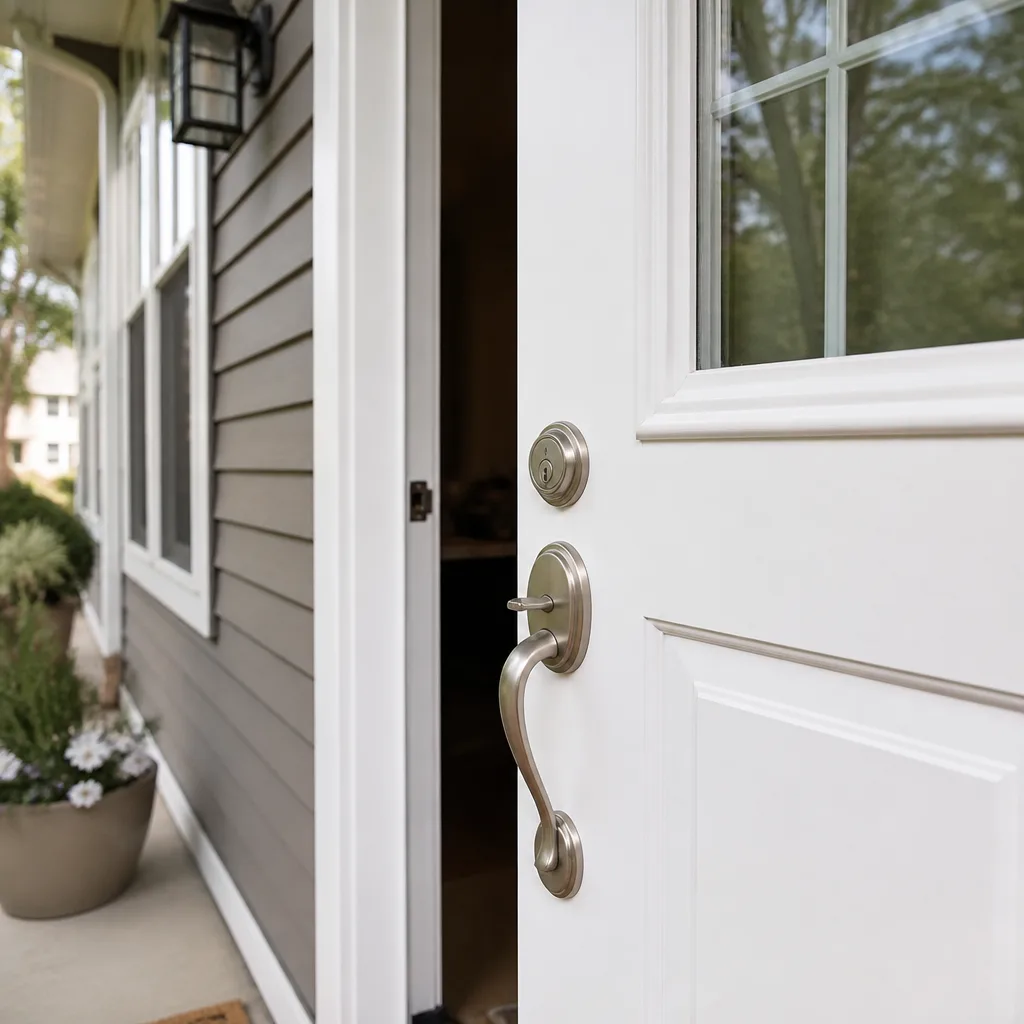
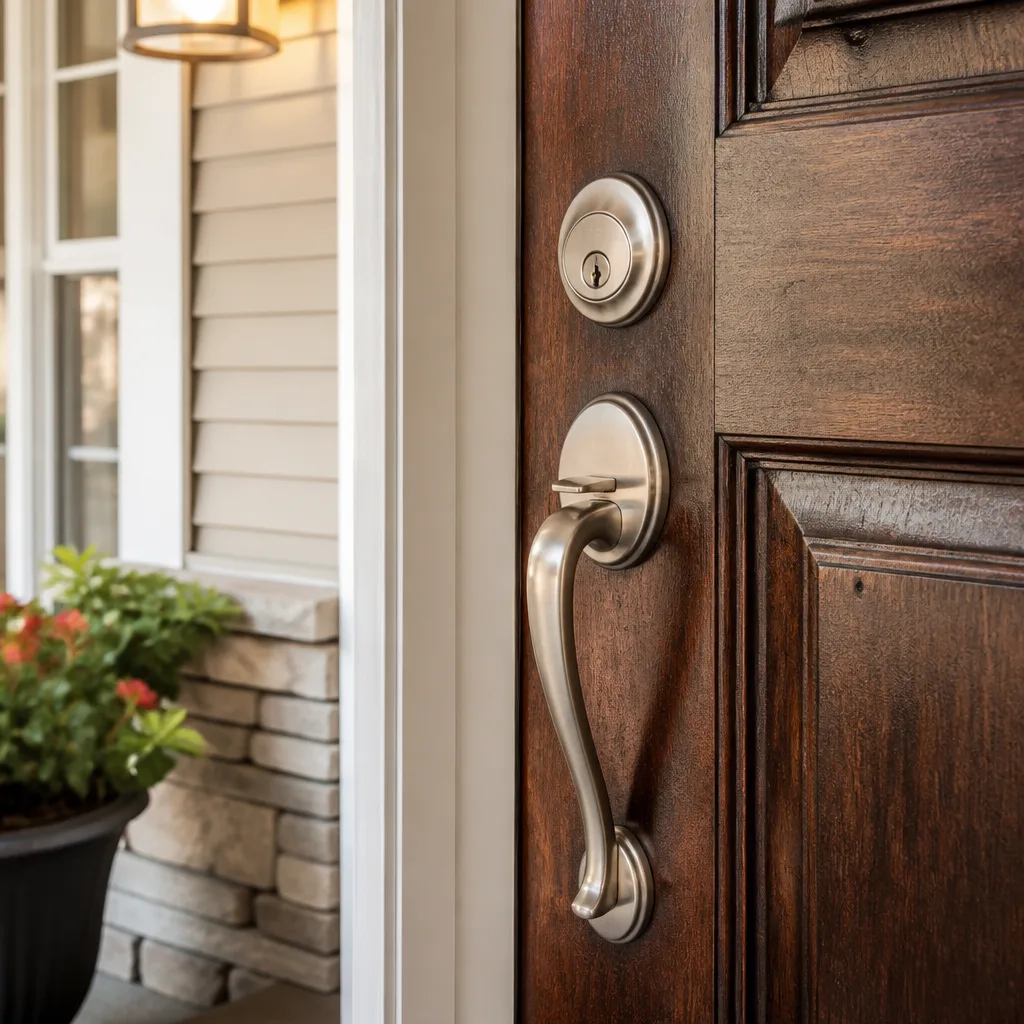
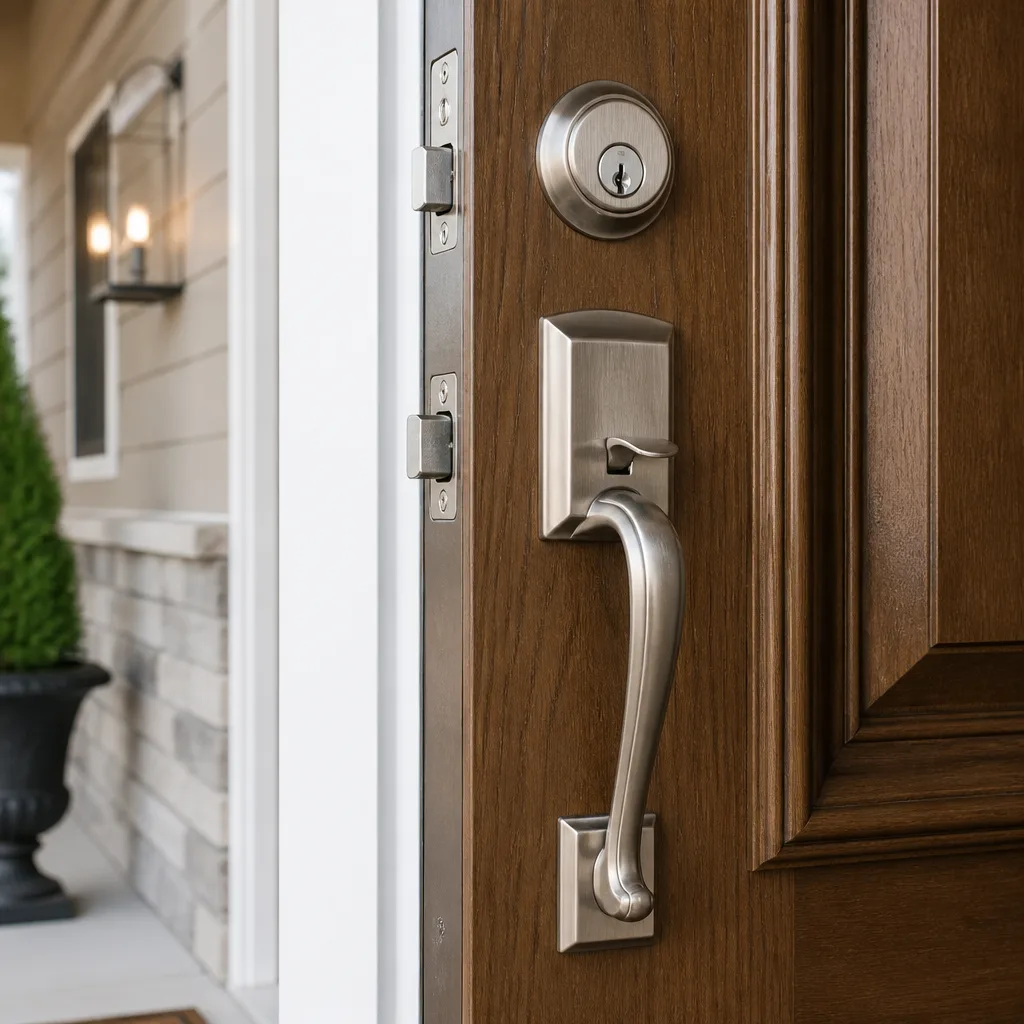
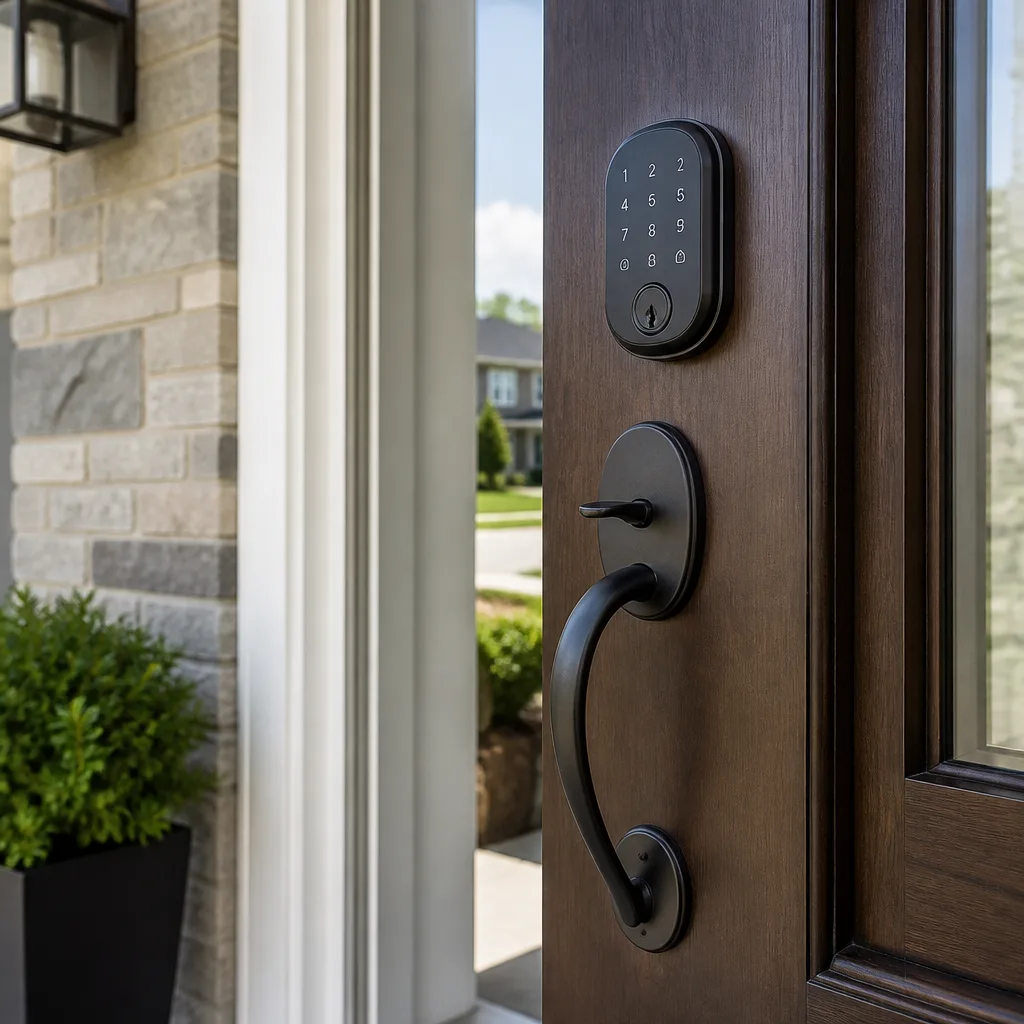
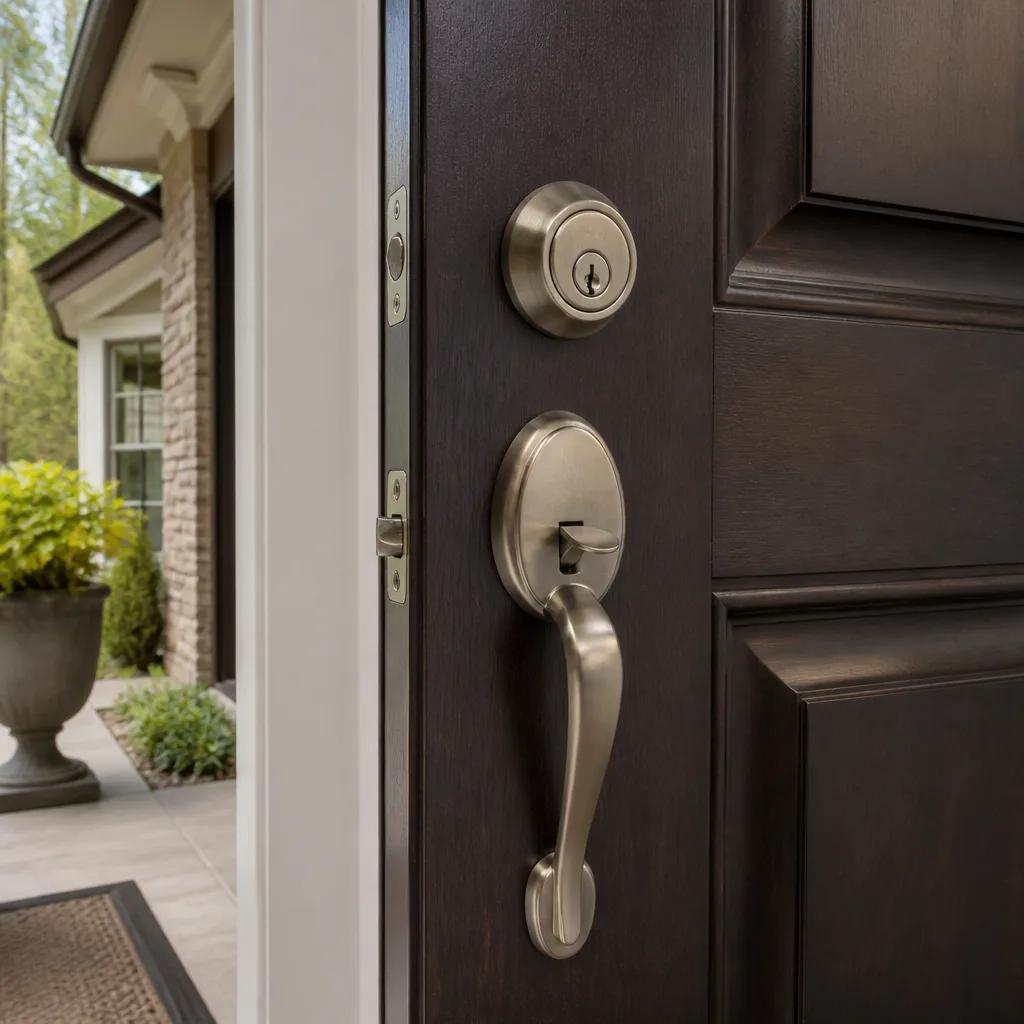
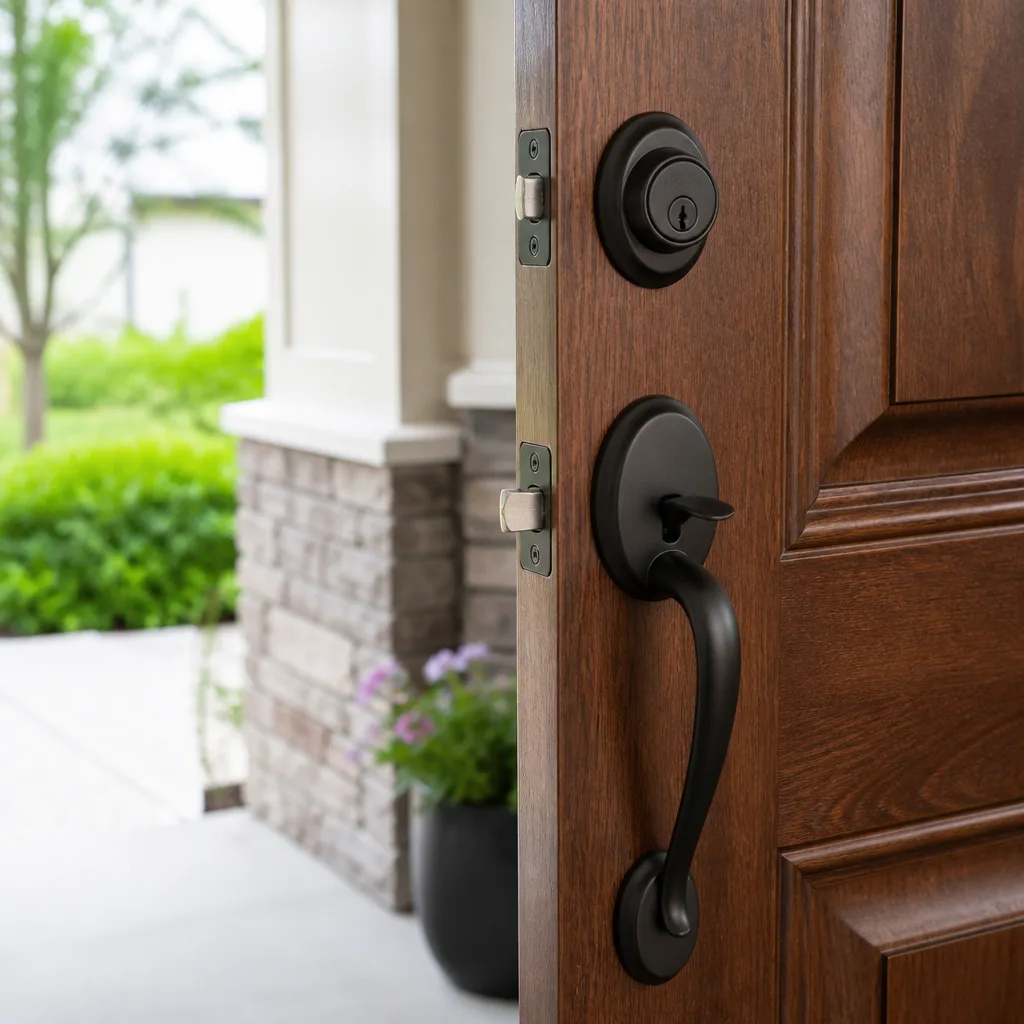
Seasonal Locksmith Care for Los Angeles: Year-Round Homeowner’s Guide
A deadbolt that worked fine in January may jam by August in the San Fernando Valley, and the reason usually isn’t age or a broken part. The door frame expanded two millimeters in the heat, and that’s all a tight bolt throw needs to bind. Los Angeles doesn’t get hard freezes or blizzards, so most seasonal home maintenance checklists skip locks entirely. That’s a mistake, because our climate has its own wear patterns: marine layer corrosion near the coast, thermal expansion inland, and wildfire ash infiltration in the foothills. This guide lays out a real, neighborhood-specific seasonal calendar for lock and door hardware in Los Angeles, so you can catch small problems before they become lockouts or deadbolt failures.
Quick Answer
Lock maintenance in Los Angeles should be done on a seasonal schedule: lubricate bolts and strike plates every spring and fall, check for salt-air corrosion near the coast in spring, inspect door alignment in the Valley each summer, and clean keyways after wildfire season in foothill neighborhoods. Two annual lubrication passes and one alignment check prevent most jams, key sticking, and lockouts. If a lock feels gritty, binds when the weather shifts, or the key turns but the bolt won’t throw, see our Access Control Systems Troubleshooting: Common Problems and How to Fix Them or schedule a professional inspection, which costs less than an emergency call later.
Table of Contents
- Why Los Angeles Weather Wears Locks Differently
- The Los Angeles Seasonal Lock Care Calendar
- Spring: Coastal Corrosion and Marine Layer Damage
- Summer: Thermal Expansion in the Valley and Inland Areas
- Fall: Wildfire Ash and Pin Tumbler Cylinders
- Winter: The LA Rainy Season and Exterior Hardware
- The One Task That Prevents Most Lockouts: Lubricating Bolts and Strike Plates
- DIY vs. Professional: A Honest Split
- Common Mistakes to Avoid
- When to Call a Professional
- Frequently Asked Questions
- The Bottom Line
Why Los Angeles Weather Wears Locks Differently
Most lock maintenance advice is written for places with freeze-thaw cycles, snow, and ice. Los Angeles has none of those, so the standard tips don’t fully apply. What we do have is a Mediterranean climate with distinct microclimates, and each one stresses lock hardware in its own way.
Within ten miles of the coast, from Santa Monica down through the South Bay, marine layer humidity sits on exposed metal for hours every morning. That thin film of salt-laden moisture seeps into brass and steel components, accelerating corrosion on keyways, hinge pins, and exterior screws. It doesn’t look dramatic, but over two or three years it can make a key feel like it’s turning through sand.
In the San Fernando Valley, Woodland Hills, Burbank, and other inland areas, summer temperatures routinely pass 100°F. Wood door frames and solid-core doors absorb heat and expand. A deadbolt that throws smoothly at 70°F can bind at 105°F because the bolt no longer lines up with the strike plate hole. The lock itself is usually fine. The geometry changed around it.
In foothill communities like La Crescenta, Tujunga, Altadena, and parts of Pasadena, wildfire smoke and fine ash settle on everything, including door hardware. Ash is abrasive. It works its way into pin tumbler cylinders, mixes with the existing lubricant, and creates a gritty paste that wears down pins and springs faster than normal use ever would.
These three patterns mean a homeowner in Playa del Rey and a homeowner in Porter Ranch need different seasonal checklists, even though they’re both in Los Angeles. The calendar below accounts for that.
The Los Angeles Seasonal Lock Care Calendar
Here’s the short version, organized by season and by region, drawn from our full Access Control Systems Maintenance Schedule: What to Do and When. Each item is covered in depth in the sections below.
- Spring (March-May): Coastal homeowners inspect for salt-air corrosion on all exterior hardware. Everyone lubricates deadbolt bolts and strike plates after the rainy season ends.
- Summer (June-August): Valley and inland homeowners check door alignment and test deadbolts on hot afternoons. Everyone checks UV damage on rubber door seals and weatherstripping.
- Fall (September-November): Foothill homeowners clean keyways and cylinders after wildfire season. Everyone does a pre-rain lubrication pass on exterior locks.
- Winter (December-February): During LA’s rainy season, check sliding door locks, garage door hardware, and any lock that gets direct rain exposure. Re-apply graphite or dry lubricant after heavy storms.
Two lubrication passes per year, spring and fall, plus one alignment check in summer, covers the vast majority of what goes wrong in Los Angeles. That’s roughly 20 minutes of work per year, and it prevents the most common lock failure patterns we see.
Spring: Coastal Corrosion and Marine Layer Damage
For homeowners within five miles of the Pacific, the marine layer isn’t just a weather pattern. It’s a slow, steady corrosion engine. Every morning that fog rolls in, it deposits a thin coat of salty moisture on exposed metal surfaces. Over months, that moisture works into the tiny gaps in keyways, hinge pins, and the internal springs of exterior locks.
The first symptom is usually a key that takes more effort to insert or turn. Not stuck, just… resistant. Then the key starts leaving faint green or white residue on your fingers after you handle it. That’s the metal oxidizing.
What to check each spring if you live west of the 405:
- Exterior deadbolts and handlesets: Insert the key slowly. If it feels rough or catches, the cylinder needs cleaning and re-lubrication.
- Hinge pins on exterior doors: Open the door halfway and watch the hinges. A door that sags or squeaks has corroded hinge pins that need replacement.
- Gate locks and padlocks: These get hit hardest, since they’re fully exposed. A frozen padlock on a side gate is a common spring discovery in El Segundo, Torrance, and Redondo Beach.
- Strike plate screws: If the screws are rusted, the plate itself may be loose, which causes the deadbolt to miss or bind.
The fix for most coastal corrosion is cleaning and lubrication, not replacement. But if the corrosion has pitted the cylinder or the key is visibly worn, a rekey or cylinder replacement is the honest call. In our experience, a Schlage or Kwikset deadbolt with routine lubrication will last decades near the coast. One that’s ignored for five years may need a full replacement at year six.
Summer: Thermal Expansion in the Valley and Inland Areas
The San Fernando Valley and inland Los Angeles see temperature swings of 30 to 40 degrees between dawn and mid-afternoon in the summer. That’s enough to move a wooden door frame by one to three millimeters. A deadbolt bolt is only about 12 millimeters thick, and the strike plate opening in a standard frame is only a few millimeters wider than the bolt itself. So even a tiny frame shift can cause the bolt to scrape, catch, or fail to extend fully.
Here’s what that looks like in real terms. A homeowner in Sherman Oaks locks their front door at 7:00 a.m. without issue. At 3:00 p.m., they come home and the key turns in the cylinder, but the bolt won’t fully throw or retract because the frame has expanded and the bolt is now misaligned with the strike plate. The lock is functioning. The door has moved.
Summer checklist for Valley and inland homeowners:
- Test the deadbolt at the hottest point of the day. If it binds in the afternoon but works in the morning, you have a thermal expansion issue, not a lock failure.
- Look at the gap between the door and the frame. If it’s uneven, wider at the top than the bottom, the door has shifted or the hinges are wearing.
- Check the strike plate alignment. Close the door and look at the bolt hole from the interior side. If the bolt doesn’t line up dead center with the strike plate opening, call a locksmith to adjust the plate or the hinge geometry. This is a 30-minute fix, not a lock replacement.
- Examine rubber door seals. UV exposure in the Valley breaks down rubber weatherstripping faster than anywhere else in Los Angeles. Cracked or flattened seals let in dust and make the door harder to latch, which wears out the lock over time.
One thing we’ve learned over nearly two decades of working on doors across Los Angeles: Valley homeowners often assume their lock is broken when the real issue is the door frame. It’s one of the Access Control Systems Warning Signs Every Homeowner Should Know. Replacing the lock without fixing the alignment just means the new lock will bind the same way. The right fix starts with understanding why the bolt is catching, not swapping out parts hoping the problem goes away.
Fall: Wildfire Ash and Pin Tumbler Cylinders
Foothill neighborhoods get something the rest of Los Angeles mostly hears about on the news: fine ash falling from wildfire smoke. It drifts into every gap, settles on every surface, and mixes with whatever lubricant is already inside the lock. The result is a gritty paste inside pin tumbler cylinders.
The symptom is specific. Your key slides in, but it feels like it’s grinding against something. You might feel a faint crunch when you turn it. If you pull the key out, you might see gray smudges. That’s ash mixed with petroleum-based lubricant, and it will wear down the brass pins and springs inside the cylinder faster than a decade of normal use.
What to do after wildfire smoke season in foothill communities like Tujunga, La Crescenta, and Altadena:
- Do not add more lubricant. Adding fresh lubricant to a gritty cylinder pushes the ash deeper into the mechanism. It makes the problem worse.
- Clean the keyway with compressed air. A can of compressed air with a thin nozzle can dislodge loose ash from the keyway opening. Hold the can upright and give it three or four short bursts.
- Flush with a dry solvent if needed. If the key still feels gritty, the cylinder needs to be flushed with a solvent-based cleaner, then re-lubricated with a dry graphite or PTFE product. This is one of the few cases where we’ll tell you to call a professional rather than dig around in the cylinder yourself. The internal pins and springs are fragile, and a damaged spring means a new cylinder.
- Inspect exterior keypads and smart locks. Ash can work into the wiring and buttons of electronic deadbolts. Wipe the exterior with a dry cloth and test all codes once after the smoke clears.
If you had a Medeco or other high-security cylinder exposed to ash, the tolerance inside is tighter than a standard lock, which means even a little grit causes noticeable resistance. High-security cylinders are worth a professional cleaning after a bad fire season, because the cost of a cleaning is far less than the cost of replacing the cylinder.
Winter: The LA Rainy Season and Exterior Hardware
Los Angeles gets most of its rain between November and March. It’s not a lot by national standards, but it’s concentrated, and it exposes any weakness in exterior door hardware. A lock that’s never been lubricated will soak up moisture, and as the water evaporates, it leaves behind mineral residue and rust.
What the rainy season does to different types of hardware:
- Exterior deadbolts: Water gets in through the keyway and sits inside the cylinder. Without a dry lubricant, the pins and springs start to corrode. You’ll feel it as increasing resistance in the key turn.
- Sliding door locks: Rain runs down the track and pools at the lock point. The sliding glass door locks that sit flush in the track take the worst of it. If your patio door lock feels sluggish starting in winter, that’s water intrusion.
- Garage door hardware: The garage door lock and side bolts get hit by wind-blown rain every time the door faces the weather. More importantly, garage door tracks rust and stiffen, which puts extra load on the locking mechanism.
- Pedestrian gate locks: Fully exposed, these get the full force of every storm. A gate lock that seizes after a wet week is one of the most common winter service calls we get across Los Angeles.
Winter checklist for all Los Angeles homeowners:
- Lubricate every exterior lock before the rains start. Do it in early November while everything is still dry. A graphite or PTFE dry lubricant leaves a film that repels water without collecting dirt the way WD-40 does.
- Check the weatherstripping on all exterior doors. Good weatherstripping keeps rain out of the lock area entirely. If you see light through the gap at the bottom of the door, replace the sweep.
- Test sliding door locks after each major storm. If the lock feels resistant, the track may have collected water or debris. Clean the track first, then check the lock.
- Inspect garage door side bolts and center lock after heavy rain. If they’re showing surface rust, clean them with a wire brush and a light coat of dry lubricant.
One more thing for the rainy season: if you have any exterior lock that already feels sticky or gritty before the rains start, handle it in October. Water takes a minor problem and turns it into a seized lock by February.
The One Task That Prevents Most Lockouts: Lubricating Bolts and Strike Plates
If you do one thing from this entire guide, do this: lubricate your deadbolt bolt and strike plate twice a year. It takes five minutes per door, and in our experience, it prevents the majority of residential lock failures across Los Angeles. Not the exotic failures, but the everyday ones, the bolt that gradually gets harder to throw until one day it stops, the key that turns but the door won’t open, the lockout that happens because the mechanism finally bound up completely.
The right way to lubricate a deadbolt:
- Use a dry lubricant. Graphite powder or a PTFE-based dry spray. These coat the metal without collecting dirt. Wet lubricants like WD-40 have their place in unsticking things, but for lock maintenance, they attract dust and grime, which turns into a paste that wears out the mechanism.
- Extend the bolt fully. Turn the thumb turn or the key so the bolt is fully extended. You want to lubricate the bolt itself, not the inside of the cylinder.
- Apply a small amount to the bolt surface. A thin coat is enough. You’re not washing it, just giving it a layer.
- Retract and extend the bolt four or five times. This works the lubricant into the mechanism.
- Spray a small amount into the strike plate opening. The bolt rubs against the strike plate every time you open and close the door. A dry lubricant on the plate itself reduces that friction. This should be standard practice for any homeowner, and it’s the same step we do on every service call, whether it’s part of our Residential Locksmith in Los Angeles work or a quick maintenance visit.
Products to avoid: WD-40 for regular maintenance, household oil, grease, or anything that stays wet. These work temporarily, then collect dirt and make the problem worse. If you’ve already used a wet lubricant and the lock feels sluggish, clean it with a solvent-based cleaner and switch to dry lubricant.
For locks exposed to the marine layer in Santa Monica or the South Bay, use a PTFE dry spray rather than graphite. Graphite can clump in high humidity, and PTFE handles coastal conditions better.
DIY vs. Professional: An Honest Split
Most of the seasonal checks in this guide are things a homeowner can do with two hands and twenty minutes. You don’t need a locksmith to look at your strike plate or squeeze a key gently into a cylinder. Here’s the honest line between what to handle yourself and what’s worth a professional’s time.
What you can do yourself:
- Lubricate bolts and strike plates with dry lubricant, twice a year
- Check door alignment visually by watching the gap between door and frame
- Inspect weatherstripping and replace it if it’s cracked or flattened
- Clean visible corrosion off latch plates and hinge screws with a soft brush
- Test every lock in the house seasonally, including window locks and side gate padlocks
What warrants a professional call:
- The key turns but the bolt won’t extend or retract fully, and alignment isn’t the issue
- The key feels gritty or catches inside the cylinder, and the problem persists after cleaning the keyway
- The lock works intermittently, working in the morning and binding in the afternoon, and you’ve confirmed the frame has shifted
- You’ve had a break-in or lost keys, and need a rekey or security upgrade
- The lock is high-security hardware from a brand like Medeco or Mul-T-Lock, and you want to preserve the precision inside the cylinder
For that last category, keep in mind that we stock and service the full range of residential hardware from Schlage, Kwikset, Yale, and Baldwin, so a lock that needs service doesn’t automatically mean a full replacement. Often it’s a cylinder cleaning, a strike plate adjustment, or a hinge fix. The point is to fix what’s actually wrong, not to sell you a new lock because it’s easier.
Common Mistakes to Avoid
- Using WD-40 on locks. It unsticks things, which feels like a fix, but it leaves a wet film that collects dust and grit. Within a few months, the lock is worse than before. Use graphite or PTFE dry spray instead.
- Ignoring a sticky deadbolt because it still works. A lock doesn’t seize overnight. The binding you feel in June started in March. Address it when you first notice it, and you’ll avoid the lockout that comes later.
- Replacing a lock without checking the door alignment. In the Valley especially, a jamming deadbolt is often a frame issue, not a lock issue. A new lock in a misaligned frame will bind the same way.
- Lubricating over existing grit. If the keyway is gritty from ash or sand, adding lubricant pushes the abrasive deeper into the cylinder. Clean first, lubricate second.
- Skipping the strike plate. The bolt and the strike plate rub against each other constantly. Lubricating the lock but ignoring the plate solves half the problem.
- Forgetting about sliding doors and gate locks. Homeowners remember the front door and forget the patio slider and the side gate. Both fail more often in LA’s rainy season than the front door does.
- Waiting until something breaks to call. Maintenance is cheaper than emergency service. Our Loxley Locksmith & Security home team handles both, but the maintenance call is shorter, easier, and costs less.
When to Call a Professional
Call a locksmith in Los Angeles when the lock still misbehaves after proper lubrication, when the bolt binds regardless of the time of day, or when you’ve had lost keys or a break-in and need a rekey. If you’ve inherited a house with unknown key copies floating around, a rekey is the fastest way to regain full control. Also call if you have commercial property in the mix, because the standards differ. Our Commercial Locksmith in Los Angeles work covers everything from high-security cylinders to full access control. And if you’re considering smart locks, access control, or integrated security, a professional consultation saves you from buying hardware that doesn’t match your doors. Loxley Locksmith & Security offers free estimates in Los Angeles. Call (682) 281-8985 and you’ll speak with a live person, not a voicemail tree. We’ll give you a written price before any work starts, and that price is the price on your invoice.
Frequently Asked Questions
Twice a year is enough for most homes: once in early spring after the rainy season ends, and once in late fall before the rains return. Homes within five miles of the coast or in heavily polluted areas may need a third pass in mid-summer. Use a dry lubricant like graphite powder or PTFE spray, never WD-40.
In most Los Angeles cases, the problem is thermal expansion of the door frame, not the lock itself. Valley and inland areas regularly see summer heat that moves wooden frames enough to misalign the bolt and strike plate. If your lock binds only on hot afternoons, check the door alignment before replacing anything. A strike plate adjustment often solves it. Call (682) 281-8985 for a free quote on an alignment check.
First, don’t add lubricant. Ash mixed with liquid lubricant becomes a gritty paste that wears down the internal pins. Blow out loose ash with compressed air, wipe the exterior with a dry cloth, and test the key feel. If it’s still gritty, the cylinder needs a solvent flush and re-lubrication, which is a professional job. Foothill homeowners in La Crescenta, Tujunga, and Altadena should check this every fall.
Yes, and it’s one of the most common first calls we get from new homeowners. You have no way of knowing how many key copies the previous owner handed out to contractors, house sitters, or neighbors. Rekeying changes the internal pins so the old keys no longer work. A standard Schlage or Kwikset deadbolt rekey typically costs less than a full lock replacement. Call (682) 281-8985 and we’ll give you a written price before we send anyone out.
Yes. The marine layer deposits salt-laden moisture on exposed metal every morning, and over time it corrodes keyways, hinge pins, and internal lock components. Coastal homeowners in areas like Santa Monica, Marina del Rey, and Redondo Beach should inspect exterior locks every spring for roughness in the key turn or visible oxidation. Most cases respond well to cleaning and dry lubrication if caught early.
They’re two different things. The bolt is the metal piece that extends into the strike plate, and it needs a dry lubricant on its surface twice a year. The cylinder is the part the key goes into, and it should only be lubricated with a dry product made specifically for lock cylinders. Over-lubricating the cylinder with the wrong product is a common cause of gritty, binding locks. For access control hardware, which has different internal electronics and moving parts, we handle that under our Access Control Systems in Los Angeles services, where the maintenance protocol differs from standard mechanical locks.
The Bottom Line
Los Angeles locks don’t fail because of ice and snow. They fail because of salt air, heat expansion, wildfire ash, and seasonal rain, each on its own schedule. The fix is simple, twice-yearly lubrication of bolts and strike plates, a summer alignment check in the Valley, a spring corrosion check at the coast, and a fall keyway cleaning in the foothills. That’s the whole calendar. Do it, and your locks will outlast the doors they’re mounted on. Skip it, and the first symptom you notice will probably be a key that won’t turn at the worst possible moment. If you’d rather have someone else handle it, we’re happy to. Loxley Locksmith & Security has been serving Los Angeles since 2007, and every visit starts with a written price and ends with a written guarantee.
Written by Sam Rourke, Owner at Loxley Locksmith & Security, serving Los Angeles since 2007.