
Last updated October 8, 2026
Non-destructive entry first, always - and we re-key Schlage, Kwikset, and Baldwin locks on the spot while you watch
You get a price before we start. It does not change when we arrive. No surprises.
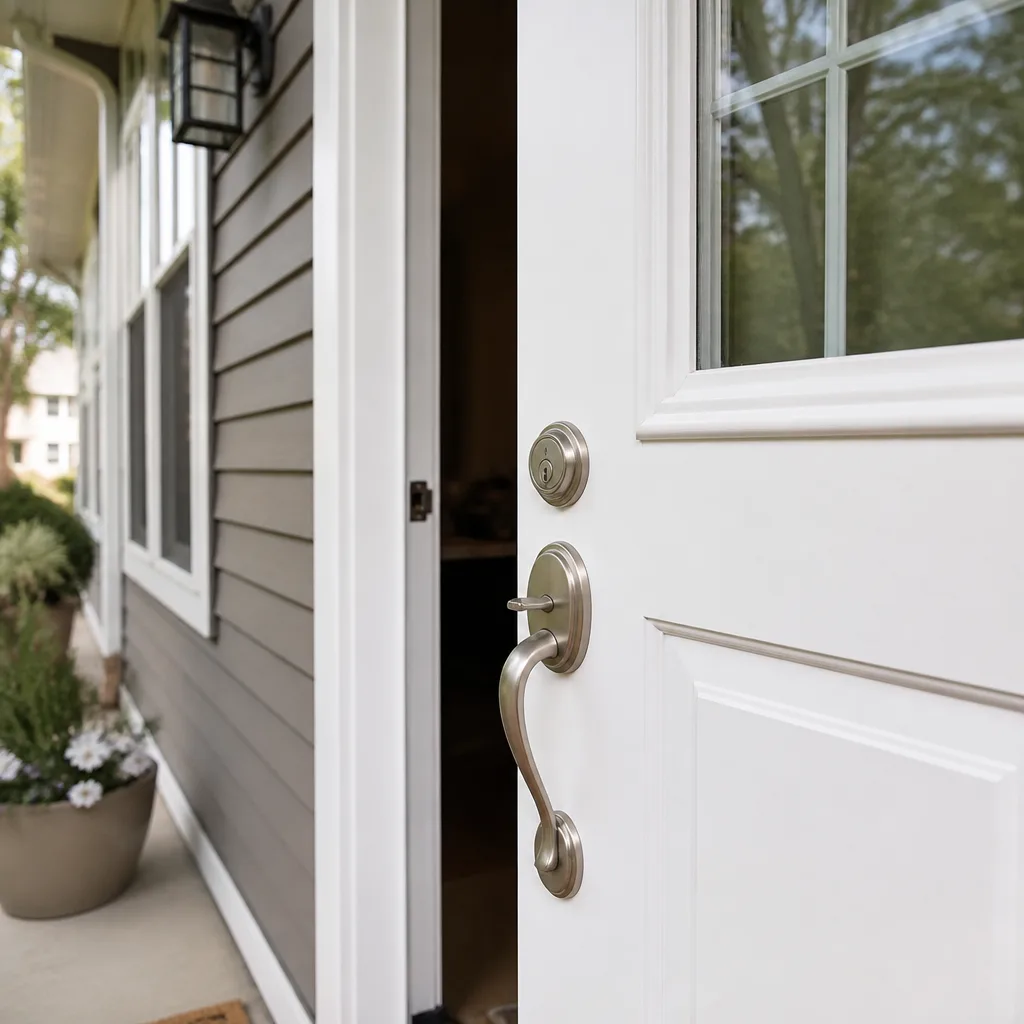
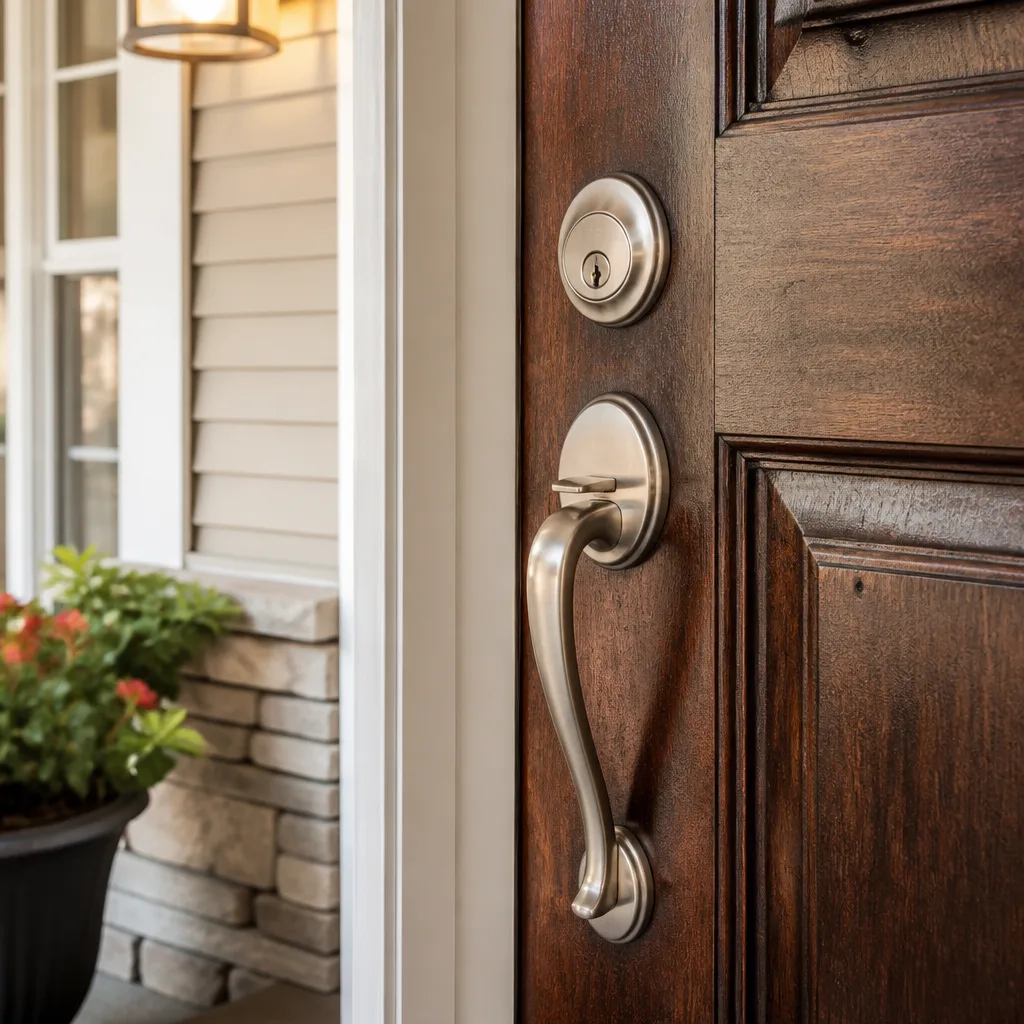
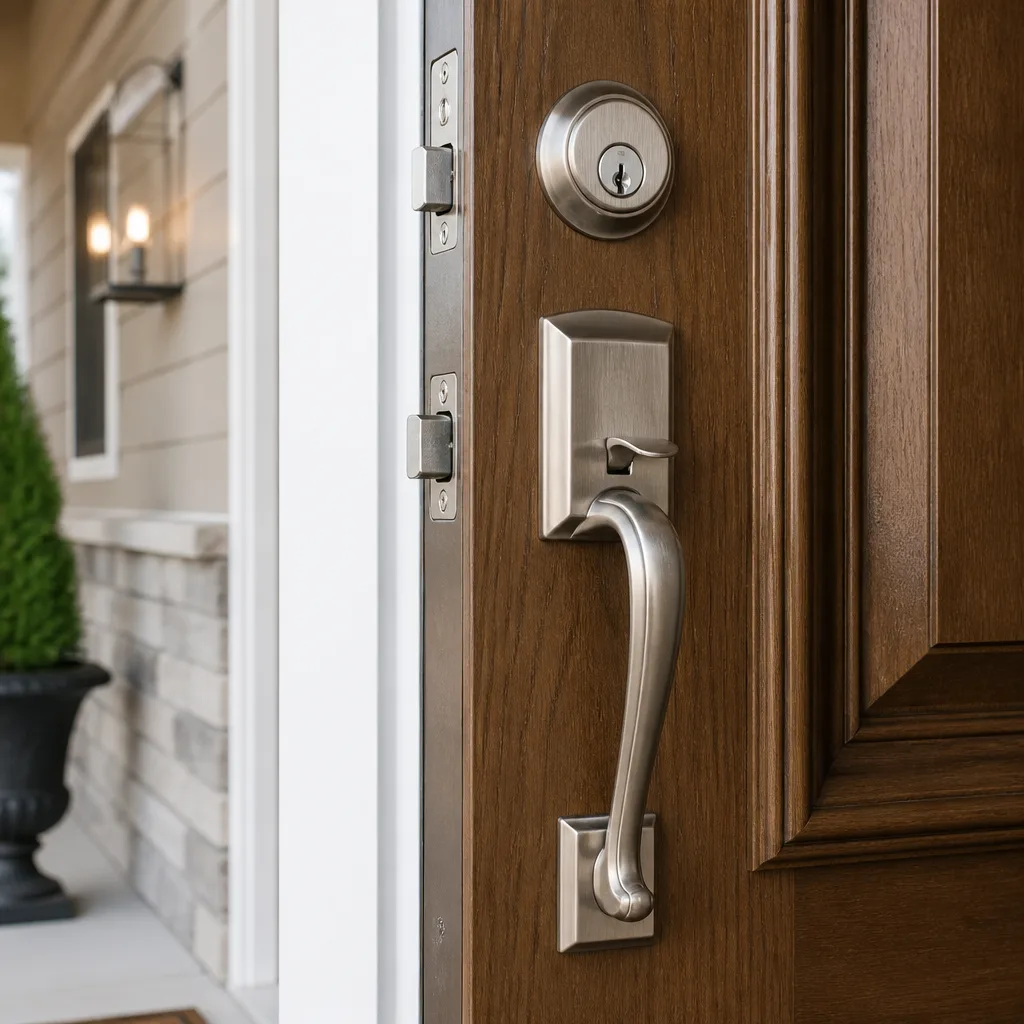
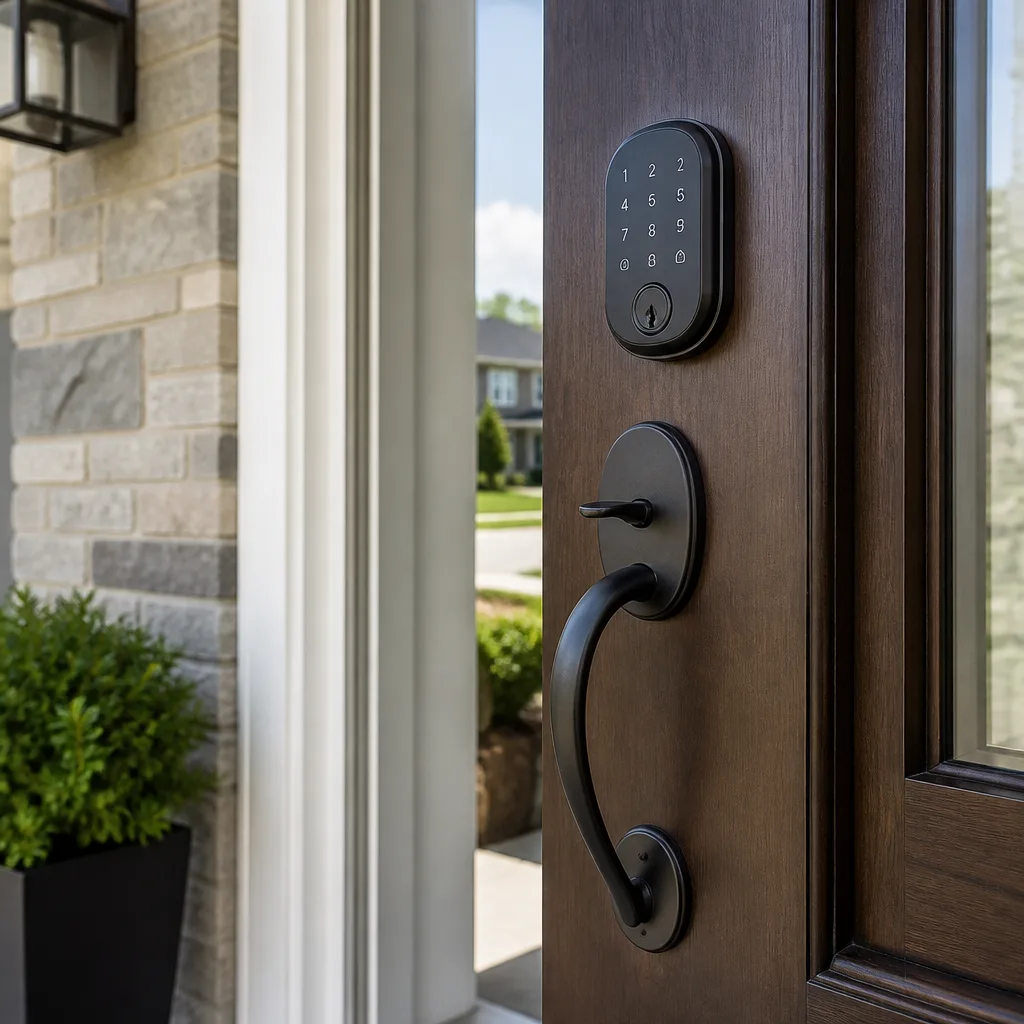
Locksmith Cost Breakdown: The Los Angeles Homeowner’s Reference for 2026
Here’s a number that surprises most Los Angeles homeowners: two neighbors on the same street in Eagle Rock can pay $75 and $220 for the exact same deadbolt rekey on the same Tuesday afternoon, and both walked away thinking they got a fair deal. The gap has almost nothing to do with the lock. It’s about who answered the phone, how the dispatcher priced the trip, and whether a written quote existed before the van rolled. This guide exists because you shouldn’t need to learn that lesson the hard way. We’re going to pull apart every charge on a legitimate locksmith invoice, show you what 2026 pricing actually looks like in Los Angeles, and give you the questions that expose a bad quote before you agree to it. You’ll leave with a working knowledge of labor rates, hardware grades, dispatch fees, and after-hours premiums, plus a simple method for reading any locksmith quote line by line.
Quick Answer
Locksmith services in Los Angeles in 2026 typically run $75 to $350 for common residential jobs like rekeying, lock replacement, and deadbolt installation, with most homeowners paying $120 to $180 for a standard service call plus labor. Emergency or after-hours work adds a flat premium, usually $50 to $150, that a legitimate shop discloses before dispatch. The single biggest pricing variable is not the lock itself but whether you’re dealing with a storefront shop, a solo mobile tech, or a call center routing to subcontracted labor, which is why two identical jobs can carry a $150 spread across the city.
Table of Contents
- The Line-Item Breakdown: What Actually Drives a Locksmith Bill
- The Service Call Fee: Legitimate Dispatch Cost vs. Hidden Margin
- Labor Rates by Service Type: What You’re Paying For
- Parts and Hardware: The $150 Gap Between Two Identical Deadbolts
- After-Hours and Emergency Pricing: What Fair Looks Like in Los Angeles
- How to Read a Locksmith Quote: The Four Lines That Matter
- Cost-Per-Year Thinking: Why a $180 Deadbolt Beats a $60 One
- Common Mistakes to Avoid
- When to Call a Professional
- Frequently Asked Questions
- The Bottom Line
The Line-Item Breakdown: What Actually Drives a Locksmith Bill
Every legitimate locksmith invoice in Los Angeles breaks down into four components, and once you can name them, you can interrogate a quote. If a shop can’t or won’t separate these lines, that’s not a pricing style; that’s a red flag.
Labor is the hourly or per-job rate for the technician’s time and skill. In Los Angeles, that runs $65 to $120 per hour for standard residential work, with most jobs quoted flat rather than hourly. A rekey of three cylinders might be priced at $85 to $150 in labor regardless of whether it takes 30 minutes or 45. Commercial work, especially access control or master key systems, runs higher because the precision required is different.
Parts covers the physical hardware: cylinders, pins, key blanks, strike plates, and the lock bodies themselves. A standard Kwikset or Schlage cylinder retails around $25 to $50 in Los Angeles. High-security cylinders from Medeco or Mul-T-Lock run $80 to $180 because the key control and pick resistance are fundamentally different products.
Dispatch or service call fee is the charge for getting a technician and fully stocked van to your door. In Los Angeles, with its sprawl and traffic, $35 to $75 is a fair range for a non-emergency call. This fee covers fuel, vehicle maintenance, insurance, and the technician’s windshield time. Whether a shop rolls it into the labor quote or lists it separately matters less than whether it’s disclosed before you commit.
The after-hours premium applies to nights, weekends, and holidays. A fair shop charges a flat fee, disclosed on the phone before dispatch, typically $50 to $150 in Los Angeles. A shop that quotes “time and a half” or adds a percentage after the tech arrives is not being transparent about what the job will cost.
Here’s the part most guides skip: how those four lines interact. A $75 rekey quote with a $55 dispatch fee and $25 in parts might be perfectly fair. Same final price as a shop that bundles everything. The quoted number is just arithmetic; what matters is that each line is visible before you agree.
The Service Call Fee: Legitimate Dispatch Cost vs. Hidden Margin
The service call fee is the most misunderstood line on a locksmith invoice, largely because it’s where bad actors hide profit. Understanding what it actually pays for changes how you evaluate any quote.
A legitimate dispatch fee in Los Angeles covers real costs: a background-checked technician, a commercial vehicle that carries $15,000 to $30,000 in inventory, liability insurance that holds up in a city where lawsuits are common, and the hard truth that a technician driving from Sherman Oaks to a job in Silver Lake is spending 45 minutes unpaid before the meter starts. In a city this spread out, $35 to $75 is a reasonable, defensible dispatch fee.
We’ve seen invoices from call-center operations in Los Angeles where the “service fee” was $89 and the actual labor was $29. The lock job was a loss leader; the dispatch fee was the business model. That’s the anatomy of a $220 rekey: an inflated front-end charge, a low headline labor number to keep the phone call short, and a tech who arrives with instructions to “upgrade” the job scope on site.
The fix is simple: ask, before you agree to anything, exactly what the service call fee includes and whether it’s applied toward labor or is a separate, non-creditable charge. A shop that answers directly and in writing is functioning like a professional operation. A dispatcher who deflects, stalls, or promises “the tech will explain when he gets there” is telling you something about how the final invoice will read.
At Loxley Locksmith & Security home, our standing policy is that the price you’re quoted on the phone includes everything; there’s no dispatch fee that gets tacked on when the van pulls up. That’s the Kingswell Way, and it’s been the rule since 2007.
Labor Rates by Service Type: What You’re Paying For
Not all locksmith labor is paid the same, and knowing the ranges keeps you from overpaying or, worse, underpaying and getting rushed work. Here are the 2026 Los Angeles market rates we see for common residential jobs, stated as flat prices because flat pricing is what honest residential work should use.
Rekeying: $65 to $150. This is the “change the pins so your old keys stop working” service. A straightforward rekey of one or two cylinders at a single property, like a new homeowner rekeying after closing in Pasadena, should land in the middle of that range. The price varies by cylinder count and whether high-security keyways are involved.
Lock replacement: $85 to $220 in labor, plus hardware. Replacing a deadbolt or knobset means removing the old hardware, installing the new, and adjusting the strike plate so the latch seats cleanly. In older Los Angeles homes, especially 1920s Spanish-style houses with non-standard door preps, this can take longer than anyone expects and the labor quote should reflect that.
Deadbolt installation on a door without one: $110 to $250 in labor. This involves boring a hole in the door and chiseling the strike plate into the frame, and on solid-core doors common in Los Angeles, it’s a job that rewards experience. The Residential Locksmith in Los Angeles page goes deeper on this, but the short version is that clamping a jig to a door and drilling straight matters.
Lockout service: $75 to $180. Opening a locked door without damaging it is a skill that looks easy and isn’t. The price should include the service call fee, and no legitimate tech in Los Angeles should be quoting you $19 and showing up an hour later with a drill.
Commercial work runs differently. Commercial Locksmith in Los Angeles jobs are quoted per-door or per-system, and labor rates run $95 to $150 per hour because the work often involves master key systems, access control integration, and hardware that can’t be sourced at a big-box store. That’s not padding; it’s the cost of precision.
Parts and Hardware: The $150 Gap Between Two Identical Deadbolts
Here’s the scenario that confuses homeowners more than any other: two neighbors in Los Angeles get deadbolt replacements in the same week. One pays $90 installed. The other pays $240 installed. Both have a new, working deadbolt. Why the $150 gap? Three variables, and none of them are the labor.
First, hardware grade. ANSI grades locks on a three-tier system: Grade 1 is commercial strength, built to survive 800,000 cycles and 10 full-force strikes. Grade 2 is heavy residential, rated to 400,000 cycles. Grade 3 is basic residential, 200,000 cycles and a single strike. A Grade 1 deadbolt costs $80 to $180 for the hardware alone. A Grade 3 deadbolt costs $18 to $35. That’s a $100-plus difference before anyone touches a screwdriver.
Second, brand margin. Schlage and Kwikset hardware carries name-brand pricing in Los Angeles because it’s well-distributed and reliably supported. Off-brand or white-box hardware from an import distributor might look identical from six feet away, but the internal tolerances and metal quality are different. A locksmith who stocks Schlage B560 or B660 deadbolts is paying $45 to $110 per unit wholesale. A shop that buys generic deadbolts in bulk might pay $12 to $25. That difference lands on your invoice.
Third, parts sourcing. Technicians who work for established shops carry inventory purchased at wholesale or direct from manufacturers. Solo techs and call-center subcontractors often buy parts at retail from a hardware store or a distributor that sells to the public, meaning you’re paying a retail markup on a part that was bought at retail in the first place. When we quote a Baldwin or Mul-T-Lock deadbolt in Los Angeles, the price on the written estimate is the price you’ll see on the invoice. We source these lines because a ten-year lock should be a ten-year lock.
After-Hours and Emergency Pricing: What Fair Looks Like in Los Angeles
At 2 a.m. in Los Angeles, locked out of your car or home, you are not comparison shopping. That asymmetry is exactly what bad actors exploit, and it’s why our Locksmith Emergency Preparedness Guide for Los Angeles Homes recommends knowing what a fair emergency premium looks like before you need it.
A fair after-hours surcharge in Los Angeles is a flat fee, quoted on the phone before the technician is dispatched, typically $50 to $150. It compensates the tech for being on call, for driving in off-hours, and for the reality that a midnight lockout in Van Nuys isn’t a normal job. Some shops include the surcharge in the quoted total; some list it separately. Either is fine. What matters is that it’s disclosed and fixed.
A predatory after-hours model works differently. The dispatcher quotes a low base rate, somewhere around $29 or $39, and deliberately avoids mentioning the surcharge. The tech arrives, evaluates the situation, and only then mentions that “night rates” add another 50% or “emergency fees” apply because the job is after 8 p.m. By that point, you’re cold, tired, and standing outside your own house. Most people pay. That’s the point.
Los Angeles has another wrinkle: a genuine emergency in this city can mean you’re locked out at midnight in a neighborhood you don’t want to stand in any longer than necessary. That urgency is real. But a legitimate shop doesn’t exploit it. The price you’re quoted when you call at 11 p.m. should be the price on the invoice at 11:45 p.m.
The Access Control Systems in Los Angeles page covers how this same transparency principle extends to commercial scheduling: no percentage-based surprises, written scopes before work starts, and flat per-door pricing. Residential or commercial, the rule holds.
How to Read a Locksmith Quote: The Four Lines That Matter
You don’t need to become a locksmith to evaluate a quote. You need to look for four specific line items. Legitimate shops list them explicitly. Problem shops leave them off until the job is underway, then add them as “unexpected findings.” Here’s what to ask for:
- The service call or dispatch fee, in dollars. Ask: “Is there a separate charge for coming out, and does it count toward the work or is it in addition?” If the answer is vague, the quote is vague.
- The labor cost, flat, for the specific job described. Ask: “Can you give me a flat price for the labor on this exact job?” Hourly rates are legitimate for commercial work, but a residential rekey should come with a specific number.
- The parts, by brand and grade. Ask: “What brand and what grade of hardware is in that price?” If they can’t name the brand and ANSI grade, they’re likely buying whatever’s cheapest that week.
- The after-hours premium, if applicable, as a flat dollar amount. Ask: “Is there any additional charge for the time of day or day of week?” This one question, asked on the phone, eliminates the most common bait-and-switch in the trade.
Here’s the practical test we tell homeowners to run: a legitimate locksmith can answer all four questions in under 90 seconds without putting you on hold. If you’re placed on hold, if the dispatcher says the tech will explain pricing on site, or if you get a range with no commitment, you’re probably talking to a call center that sells your job to a subcontractor at a discount and profits on the gap.
Cost-Per-Year Thinking: Why a $180 Deadbolt Beats a $60 One
Let’s do the math the way a homeowner should, because the cheapest lock is rarely the cheapest lock.
A Grade 3 deadbolt from a big-box store in Los Angeles runs about $25 to $60. If you install it yourself and everything goes perfectly, you’ve spent an afternoon and $60. But here’s what we see in the field: the strike plate is misaligned within a year, the latch starts binding, the finish wears off the keyway, and by year three the whole unit is sloppy enough that you’re replacing it. Total cost over five years: two or three locks, plus your time, plus the Tuesday afternoon you spend at Home Depot angry.
The same job done with a Grade 1 unit, like a Schlage B660 or a Baldwin Estate deadbolt, costs $180 to $300 professionally installed. That’s more money up front. No argument. But a Grade 1 lock is rated for 800,000 cycles. For a front door opened four times a day, that’s 548 years of mechanical life. What actually wears out on a well-installed Grade 1 lock is the finish, not the mechanism.
There’s a guarantee component too. Hardware from manufacturers like Yale and Sargent carries warranties measured in decades, not years, and when that hardware is installed by a shop that stands behind the work in writing, the risk of paying for the same job twice drops to near zero.
The honest framing is this: if you’re selling the house in six months, the $60 deadbolt is fine. If you’re staying in that Los Angeles house, the one with the 1948 front door and the original strike plate, the cost-per-year math favors the better lock every time. We install more Grade 1 hardware than Grade 3 for exactly this reason, not because it’s more profitable but because we’d rather not come back to replace our own work.
Common Mistakes to Avoid
- Calling the first sponsored result without checking who actually answers. Many Los Angeles Google searches surface national call centers that dispatch subcontracted techs and take a 30 to 40 percent cut off the top. That margin has to come from somewhere, and it comes from your invoice.
- Accepting a quote over the phone without a written confirmation. If the price isn’t in writing before the tech arrives, the price can change when he does. In California, you have the right to a written estimate for work over a certain threshold, and any shop that resists putting numbers on paper is making a choice, not a mistake.
- Paying a commercial rate for residential hardware. Some locksmiths will quote a “heavy duty” lock at a markup that suggests Grade 1 while installing something closer to Grade 2. Ask for the specific model number and look it up before the tech arrives. Five minutes of Googling saves $100.
- Drilling out a lock that could have been picked or bypassed. A drilled lock has to be replaced; a picked lock can often be rekeyed and kept. The difference is $50 to $80 in labor versus $150 to $300 in parts and labor. A skilled technician in Los Angeles should open 90 percent of residential locks without drilling.
- Waiting until you’re locked out to find a locksmith. The worst time to research a locksmith is when you’re standing on your porch at 11 p.m. with your phone at 8 percent battery. Pick a shop now, save the number, and know what their emergency policy is before you’re in an emergency.
- Assuming the cheapest quote is the best value. A $75 rekey that’s actually a $75 dispatch fee plus a $150 “rekey” done on site is more expensive than a $160 fixed quote from a shop that puts the whole number on paper before dispatch.
- Overlooking the lock you can’t see. Los Angeles homes often have garage doors, side gates, and patio doors with locks that haven’t been touched in decades. A comprehensive rekey includes all of them, and a good locksmith will ask before quoting.
When to Call a Professional
Some jobs genuinely need a professional’s hands. If you’ve moved into a new home in Los Angeles and don’t know who has keys, you should rekey every exterior lock before you spend your first night there; that’s non-negotiable. If your deadbolt is grinding, sticking, or requiring force to turn, something inside the cylinder is failing and it will not fix itself. If you’re considering a keyless entry system or an access control upgrade, the wiring, programming, and integration with existing hardware is work that rewards experience, not YouTube tutorials. If you’ve had a break-in or an attempted break-in, a professional can assess the points of failure and recommend hardware that actually changes the risk equation rather than just replacing what was there. Loxley Locksmith & Security offers free estimates in Los Angeles, call (682) 281-8985 and we’ll give you a written number before any work starts.
Frequently Asked Questions
Most Los Angeles homeowners pay $75 to $350 for common residential locksmith work, with the average service call and labor landing around $120 to $180. The range spans from a straightforward lockout or single-cylinder rekey at the low end to a full lock replacement with Grade 1 hardware at the high end. For an exact quote, call (682) 281-8985; estimates are free and the price we quote is the price on the invoice.
Yes. At Loxley Locksmith & Security, the written price you receive before dispatch is the price on your invoice, includes all labor, parts, and fees, and does not change when the technician arrives. If the job scope changes because of something we find on site, we discuss it with you and get approval before doing anything. Call (682) 281-8985 to get a written quote before work begins.
Most Los Angeles locksmith services arrive within 30 to 60 minutes for emergency calls, depending on traffic and where you are in the city. During peak hours or in congested corridors, a non-emergency appointment may be scheduled for a specific window rather than an immediate arrival. When you call (682) 281-8985, a live person answers 24/7 and gives you a real arrival window, not an open-ended “we’ll be there soon.”
Ask for a written estimate before work begins, confirm the business has a physical address and a real person answering the phone, and check whether the technician arrives in a marked vehicle with identification and a uniform. A legitimate shop will answer all four quoting questions directly: service fee, flat labor price, parts by brand and grade, and any after-hours premium. For details on licensing requirements, see our Locksmith Permits, Codes & Inspections in CA: What You Need to Know. Loxley Locksmith & Security has served Los Angeles since 2007 as part of the Kingswell family of locksmith companies, with background-checked, uniformed technicians on every call.
Rekeying is almost always cheaper than replacing: $65 to $150 for a typical Los Angeles house versus $85 to $220 per lock for replacement, not including hardware. Rekeying changes the internal pins so old keys no longer work while keeping the existing hardware. Replacement is necessary when the lock is worn, damaged, or you want to upgrade to a higher grade of hardware. Call (682) 281-8985 to talk through which option fits your situation and get a written price for each.
Call a locksmith whose dispatcher can quote a flat price on the phone, including any after-hours fee, before the technician is dispatched. In Los Angeles, a fair lockout service runs $75 to $180 total, including the service call, and a skilled technician should be able to open most residential locks without drilling. We answer calls live 24/7 at (682) 281-8985 and will give you a written price before anyone is sent to your door.
The Bottom Line
A locksmith quote in Los Angeles is only as good as the transparency behind it. The fair price for most residential jobs runs $75 to $350, with the spread driven by hardware grade, brand, dispatch fees, and after-hours premiums, not by mystery. The four lines that matter, service fee, labor, parts by brand and grade, and any flat emergency surcharge, should be visible before you commit. The cheapest quote often isn’t the cheapest job, and the most expensive isn’t necessarily paying for quality. What you’re really buying is a written number that holds, a technician who shows up when promised, and hardware that lasts a decade instead of two years. That’s the standard Loxley Locksmith & Security has operated under since 2007, and it’s the only way we work. For more guides & resources, visit our blog.
Written by Sam Rourke, Owner at Loxley Locksmith & Security, serving Los Angeles since 2007.