
Last updated October 8, 2026
Non-destructive entry first, always - and we re-key Schlage, Kwikset, and Baldwin locks on the spot while you watch
You get a price before we start. It does not change when we arrive. No surprises.
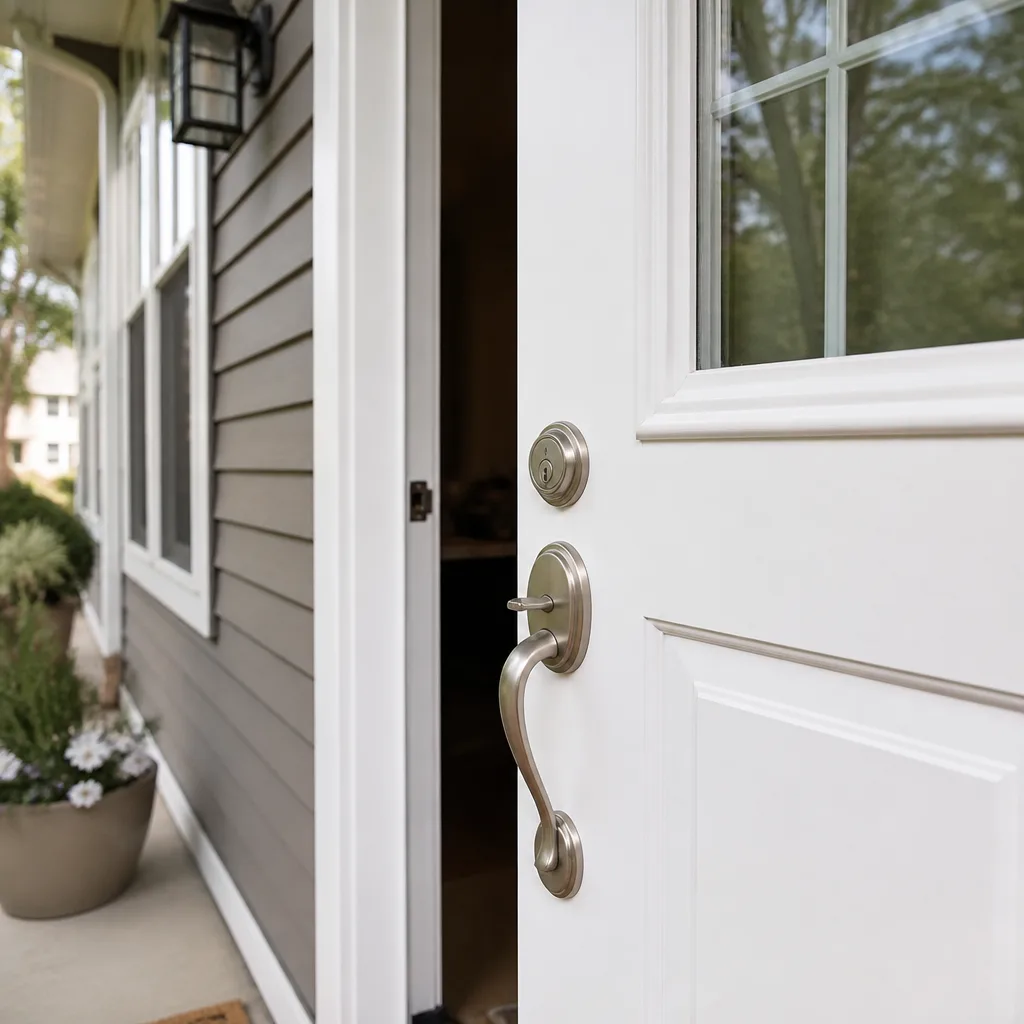
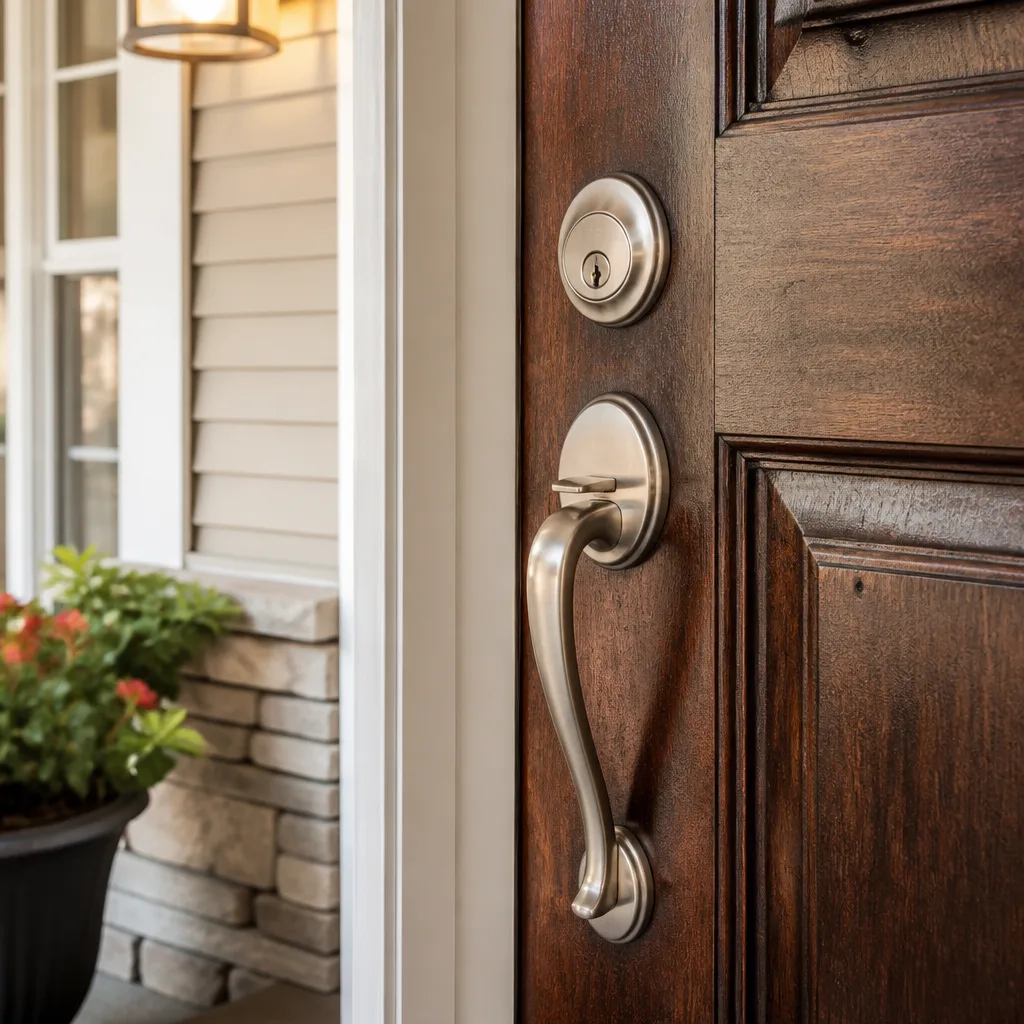
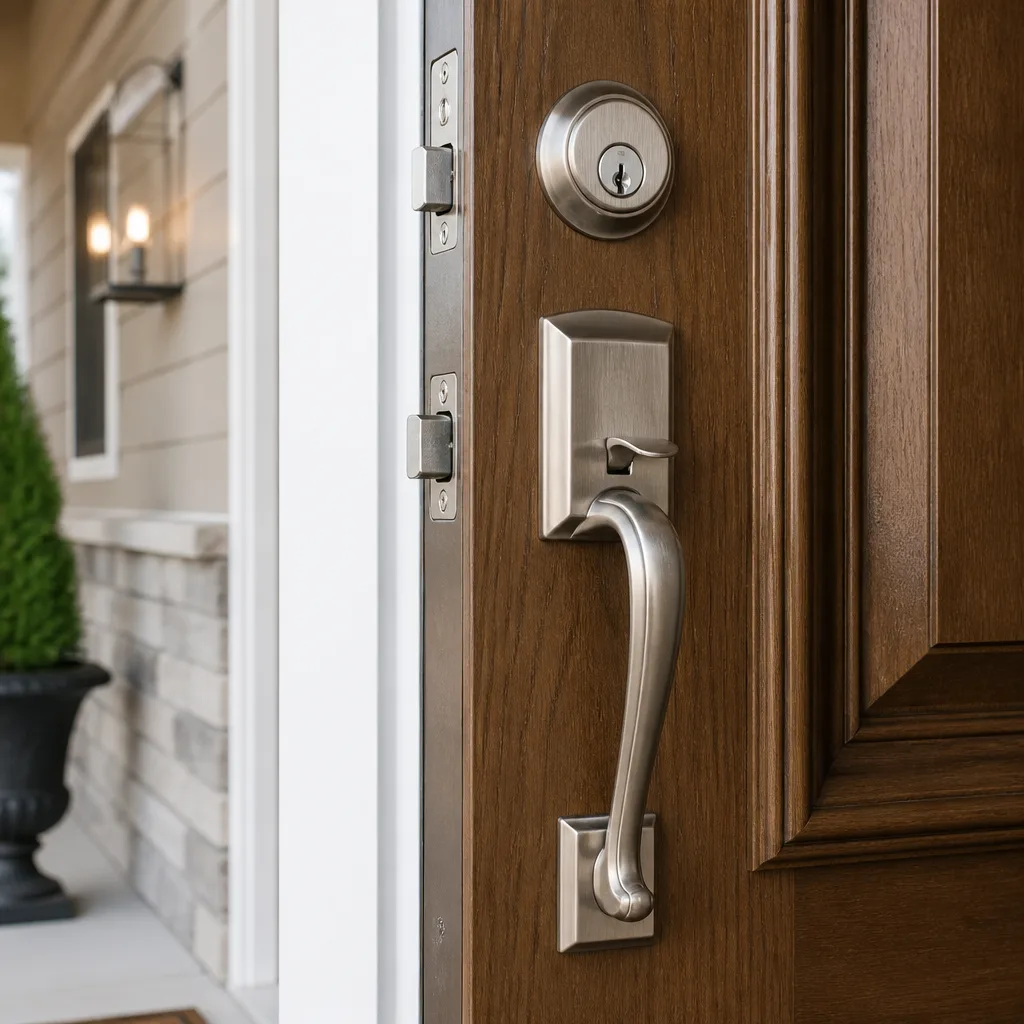
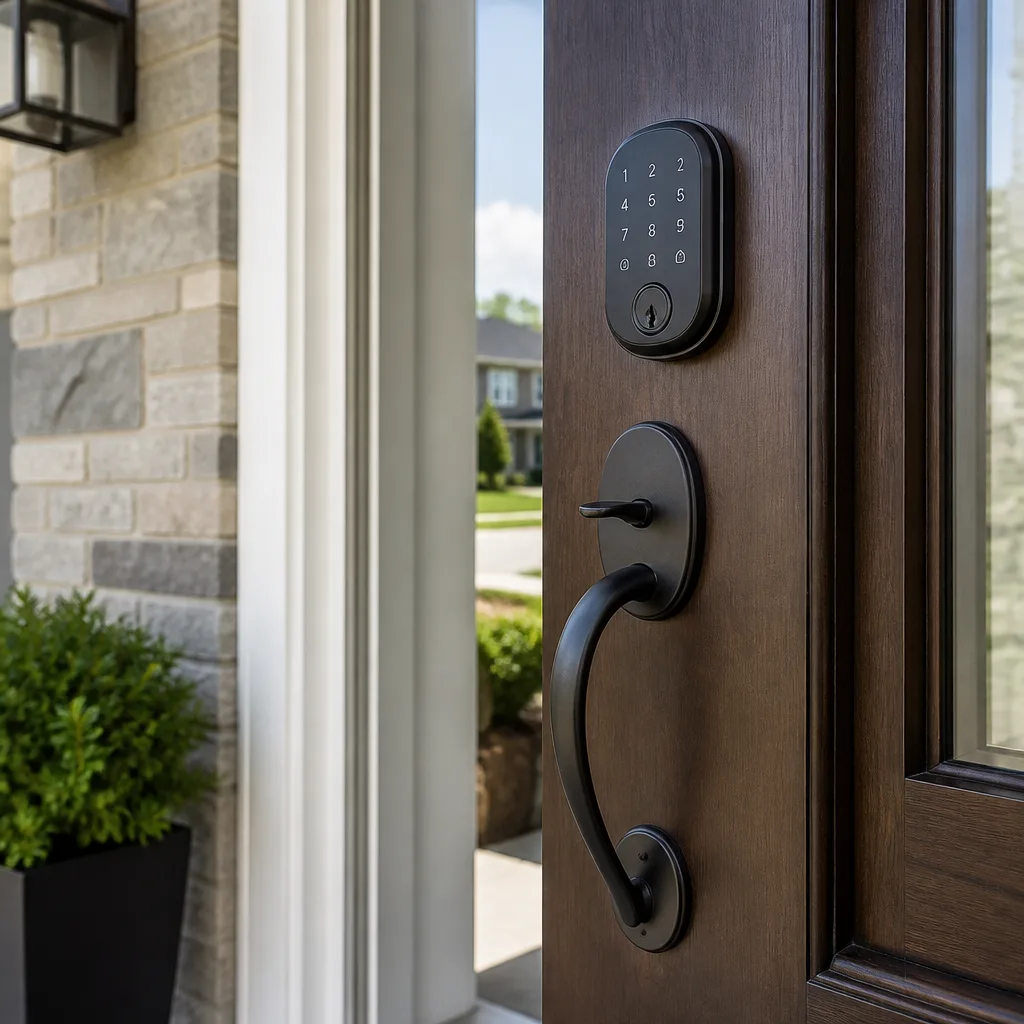
The Complete Commercial Locksmith Guide for Los Angeles Homeowners
A terminated employee walking back into your Koreatown storefront three days after you changed the locks is not a movie plot. It happens because rekeying one front door while ignoring the back entrance, the side gate, and the master key series is the single most common commercial locksmith mistake in Los Angeles. Most LA businesses do not fail at security because they bought the wrong lock. They fail because they never mapped who holds keys, who can grant access, and what happens when someone leaves. This Commercial Locksmith services guide fixes that. You will learn how commercial locksmithing in Los Angeles actually works, what it costs, what California codes require, and how to prepare before you ever pick up the phone.
Quick Answer
A commercial locksmith in Los Angeles handles access for businesses, not just lock installation. That means rekeying, master key systems, high-security hardware, panic bars, and electronic access control installed to meet California ADA rules and LAFD fire egress codes. Typical commercial rekeying in Los Angeles runs $35 to $70 per cylinder, while a full access control installation starts around $1,500 to $3,500 per door depending on hardware grade and wiring. The smartest first step is a written key-control audit, not a new lock.
Table of Contents
- Why Los Angeles Businesses Fail at Access Control (Not Hardware)
- Master Key Systems in LA’s Multi-Tenant Buildings: The Risk Nobody Talks About
- Rekey, Lock Replacement, or Access Control Upgrade: Which One Actually Matches Your Threat
- California ADA and LAFD Fire Egress Rules Every LA Business Owner Must Know
- How to Build a Written Key-Control Log Before Calling a Locksmith
- What a Legitimate Commercial Locksmith Quote Must Include in Los Angeles
- Commercial Locksmith Pricing in Los Angeles: Honest Ranges
- Common Mistakes to Avoid
- When to Call a Professional
- Frequently Asked Questions
- The Bottom Line
Why Los Angeles Businesses Fail at Access Control (Not Hardware)
We have walked into hundreds of Los Angeles commercial properties over the years, and the pattern is consistent. The front door has a decent deadbolt. The back door has whatever was there when the lease was signed. The manager’s office has a filing cabinet with keys in a drawer. Nobody can tell you how many copies of the front door key exist, who has the alarm code, or whether the previous tenant’s bookkeeper still has a working key to the alley entrance.
That is not a hardware problem. It is a control problem. A $400 Medeco high-security cylinder on a door that was rekeyed properly protects you. But if the side door still opens with a key that three former employees copied at a kiosk in a Van Nuys strip mall, the Medeco is decoration. In our experience serving businesses across Los Angeles since 2007, the businesses that get compromised are rarely the ones with cheap locks. They are the ones with gaps between locks.
Think of it like this: your commercial security is only as strong as the loosest key you cannot account for. The fix is not always expensive. Sometimes it is a one-hour job to rekey two cylinders and produce a written key list. Sometimes it is a full access control system. But the first step is always the same: figure out who has access right now, not which product to buy next.
This is why we approach every commercial job at Loxley Locksmith & Security, a commercial locksmith in Los Angeles, as an access audit first. The hardware decision comes second.
Master Key Systems in LA’s Multi-Tenant Buildings: The Risk Nobody Talks About
Los Angeles has more multi-tenant commercial buildings than almost any city in the country. Strip malls in the San Fernando Valley, office floors in Downtown LA, live-work units in the Arts District, mixed-use buildings in Culver City with retail below and apartments above. Many of these buildings run on master key systems, where one building master key opens every unit, and each tenant key opens only their own space.
Master key systems create a risk that single-property owners never think about: if a tenant loses a key, you may not be rekeying one lock. You may be rebuilding an entire key hierarchy. Here is why.
In a master key system, each cylinder contains extra pins that allow both the tenant key and the master key to turn the plug. When you rekey one tenant’s lock after they move out, you must also consider whether that tenant’s key was part of a larger series. If the departing tenant had a key that was also used by a manager, or if their key was cut from a code that appears elsewhere in the building, you have a cascading problem. Simply changing one cylinder may leave other tenants exposed.
We see this regularly in Los Angeles, especially in buildings where three or four locksmiths have worked over the years and nobody has a current key schematic. A new tenant moves into a Valley Village office suite, gets handed a key by the property manager, and nobody questions whether the previous tenant’s key was properly retired from the system. Six months later, a laptop goes missing. No forced entry. The old tenant’s cousin still had a copy.
The solution is a key system map: a written record of every cylinder, every key code, and every key holder, updated whenever a tenant changes. That is the only way to know what you are actually securing. If your building does not have one, that is the first thing to ask a locksmith to create.
Rekey, Lock Replacement, or Access Control Upgrade: Which One Actually Matches Your Threat
Three common commercial locksmith services in Los Angeles are rekeying, lock replacement, and access control installation, which we detail further in The Complete Residential Locksmith Guide for Los Angeles Homeowners and related resources. They solve different problems, and paying for the wrong one wastes money.
Rekeying means changing the internal pins in an existing lock so the old key no longer works, and a new key operates the lock. The hardware itself stays in place. This is the right move when a key is lost, an employee leaves, or you want different keys for different doors without replacing hardware. Rekeying a standard Schlage or Kwikset commercial deadbolt in Los Angeles typically runs $35 to $70 per cylinder. It is the most cost-effective way to reset access when the existing hardware is still in good shape.
Lock replacement means removing the old hardware and installing new. This is the right choice when the lock is physically damaged, worn, or not rated for commercial use. It also makes sense when you want to upgrade security grade. A Grade 2 commercial deadbolt from a brand like Sargent might cost $150 to $350 for the hardware alone, plus installation. If a cylinder has been picked, drilled, or damaged in a break-in attempt, replacement is usually the honest recommendation.
Access control upgrade means moving from metal keys to credentials: key cards, key fobs, keypad codes, or smartphone access. This is the right answer when you need an audit trail of who entered and when, you want to revoke access instantly without rekeying, or you manage multiple employees with changing schedules. A single-door keypad entry system in Los Angeles usually starts around $800 to $1,500 installed. A multi-door system with cloud management and fob readers can run $2,500 to $6,000 or more depending on hardware grade. We install a lot of commercial access control systems across Los Angeles, and the businesses that benefit most are the ones with real turnover: restaurants, gyms, medical offices, and shared workspaces.
The decision comes down to one question: how often does your access list change? If it is once a year, rekeying is probably enough. If it is monthly, access control pays for itself quickly.
California ADA and LAFD Fire Egress Rules Every LA Business Owner Must Know
Commercial door hardware in Los Angeles is governed by two overlapping sets of rules: the Americans with Disabilities Act (ADA) on the federal side, and the California Building Code with local LAFD fire egress enforcement. These rules constrain what hardware you can legally install, and a legitimate LA commercial locksmith knows them cold.
The ADA sets standards for door opening force, handle type, and mounting height. Commercial doors in public accommodations must generally open with no more than 5 pounds of force on interior doors, and door hardware must be operable with one hand without tight grasping, pinching, or twisting of the wrist. That is why lever handles, not round knobs, are required on accessible routes. A round knob on a commercial restroom or entry door is a code violation, and it is one of the most common issues we correct in older Los Angeles buildings that predate current ADA enforcement.
LAFD fire egress rules are stricter in one critical way: exit doors in assembly occupancies, commercial kitchens, and certain high-occupancy spaces must open with a single motion from the inside without a key or any special knowledge. That is why panic bars, also called exit devices, are required on many LA commercial doors. A deadbolt with a thumbturn on an exit door is not enough if the occupancy classification requires panic hardware. We have had to retrofit exit devices on doors in Highland Park and Echo Park buildings where a previous handyman installed a residential deadbolt on a commercial exit. The business owner did not know it was a violation until a fire inspection flagged it.
Another LA-specific issue: many older commercial buildings in Los Angeles have doors that sag or bind due to seismic settling. A door that does not close and latch properly cannot be secured by any lock. Before you spend money on a new deadbolt, make sure the door itself swings true and latches flush. We often find that half the job is adjusting the strike plate or shimming hinges, not replacing the lock at all.
If you are unsure what your occupancy classification requires, a commercial locksmith walkthrough will tell you. Do not guess, and do not let a general handyman install commercial egress hardware. The liability exposure is too high.
How to Build a Written Key-Control Log Before Calling a Locksmith
The most useful thing you can do before calling a commercial locksmith in Los Angeles is not research lock brands. It is writing down who has access to your space right now. This simple document tells the locksmith exactly what to secure, and it prevents you from paying to rekey doors while leaving a key unaccounted for.
Here is a step-by-step method that works for retail shops, offices, clinics, and small warehouses alike.
- List every door, gate, and cabinet with a lock. Include the front entrance, back door, side door, roll-up gate, storage closet, server room, cash drawer, and any padlocked fixtures. If it has a key, it goes on the list.
- Assign a code to each lock. Front door becomes FD-1, back door BD-1, and so on. This gives you a naming convention that a locksmith can plug into a key system map.
- Write down every known key holder. Current employees, the landlord, the property manager, the cleaning crew, the IT contractor, the bookkeeper, a former partner. Be honest. If you are not sure whether someone still has a key, write “unconfirmed.”
- Mark any keys that are lost or disputed. If an employee left on bad terms and never returned a key, that is a red flag. If a key went missing six months ago and you never rekeyed, that is now an open exposure.
- Note which locks are on the same key. If one key opens the front door and the storage room, write that down. If different employees have different keys, map who has what.
- Bring this list to your locksmith. A real commercial locksmith will use it to recommend exactly which cylinders need rekeying and whether a master key system is worth building.
We have had Los Angeles business owners hand us napkin sketches that saved them hundreds of dollars because they identified the one lock that actually mattered. The key-control log is the highest-ROI document in commercial locksmithing, and it costs you nothing but twenty minutes. For additional help, see our more guides & resources.
What a Legitimate Commercial Locksmith Quote Must Include in Los Angeles
Los Angeles has a well-documented problem with bait-pricing in the locksmith trade. A business owner calls a number from a search ad, gets quoted $45 on the phone, and then watches the total climb to $400 once the technician arrives. If you have been through that, you are not alone, and you are not the problem. Here is how to spot a legitimate quote before you commit to anything.
A real commercial locksmith quote in Los Angeles includes these five things, in writing:
- Hardware grade and brand. The quote should say “ANSI Grade 2 Sargent deadbolt” or “Grade 1 exit device, brand specified.” A vague line item that says “lock” with no grade is a red flag.
- Labor as a separate line item. You should see the labor charge broken out from parts. This tells you what you are paying for the work versus the hardware.
- Warranty terms in writing. Not “we stand behind our work” spoken over the phone. Written terms: what is covered, for how long, and what happens if the repair fails. Our standard is 365 days, parts and labor, with a free return visit if it fails inside that window.
- Total price before dispatch. The price quoted on the phone or in writing is the price on the invoice. No call-out surcharge added on arrival. No fuel fee tacked on at the end. If a company will not confirm the total before the truck rolls, find another company.
- Scope of work in plain language. “Rekey 3 cylinders at FD-1, BD-1, SD-1. Provide 6 working keys. Rekey keyed-alike so one key operates all 3.” That is a scope. “Fix locks, make keys” is not.
We write every commercial quote at our Los Angeles shop this way because we learned a long time ago that the customer who reads a clear quote is the customer who calls back next time. The Kingswell standard we operate under has five rules: say the price before the work; show up in the window we gave; leave the place cleaner than we found it; put the guarantee in writing; come back if it fails. That is it. That is the whole standard.
Commercial Locksmith Pricing in Los Angeles: Honest Ranges
Here are honest, real-world price ranges for commercial locksmith work in the Los Angeles market as of 2025. These are not teaser rates. They reflect what a properly licensed, insured, and equipped locksmith charges to do the job correctly.
- Rekey a single commercial deadbolt (Schlage or Kwikset): $35 to $70 per cylinder, including new keys
- Rekey an entire small office suite (3 to 5 doors): $120 to $300 total depending on cylinder count and key system
- Install a commercial Grade 2 deadbolt (hardware only): $150 to $350 per lock for brands like Sargent; installation is additional
- Install a commercial Grade 1 deadbolt or mortise lock: $300 to $700 per lock depending on brand and complexity
- Install a single-door electronic keypad or card reader: $800 to $1,500 installed, entry-level to mid-grade
- Install a cloud-managed access control system: $2,500 to $6,000+ for 2 to 4 doors, depending on hardware and wiring
- Install or replace a panic bar / exit device: $500 to $1,200 per door installed, depending on width and fire rating
- Commercial lockout service: $85 to $175, usually within 60 to 90 minutes in most LA neighborhoods
These numbers are honest ranges, not promises. The exact price depends on your door condition, cylinder type, security grade, and whether we are working around business hours. What we can promise is this: the price you get in writing before we dispatch is the price on the invoice. No call-out surcharge on arrival, no bait-and-switch, and no add-on you did not approve in advance. If you want an exact quote for your space, call (682) 281-8985 and we will walk the site and price it line by line.
One more Los Angeles-specific note: commercial real estate here is expensive, and many businesses operate in leased spaces with landlord hardware already installed. Before you spend money upgrading locks in a leased unit, check your lease language. Some landlords retain the right to approve hardware changes, especially on exterior doors. We regularly coordinate with property managers across LA so the tenant gets the security they need without violating their lease.
Common Mistakes to Avoid
- Rekeying only the front door and ignoring the back entrance. Most LA commercial spaces have at least two entry points. If an ex-employee still has a working key to the alley door, rekeying the front door accomplished nothing.
- Assuming the landlord’s master key does not open your unit. In many LA multi-tenant buildings, the landlord or property manager holds a building master that opens every suite. If you have not verified that your unit is excluded from that master after a tenant change, you do not actually control access.
- Buying hardware online and having a handyman install it. Commercial locks are not residential locks with a higher price tag. Grade ratings, fire egress requirements, and ADA compliance are real liability issues, and a handyman install is not covered by a manufacturer-recognized installer warranty.
- Not keeping a written key log after a rekey. If you rekey and then do not record who received the new keys, you have reset the clock on the same problem. Six months later, you will not remember how many copies exist.
- Using the same key for the front door, cash drawer, and storage room. One stolen key should not compromise your entire space. Keying high-value areas separately is a cheap way to limit blast radius.
- Waiting until after a break-in to assess door condition. In Los Angeles, many break-ins are not pick attacks. They are door-frame failures: a jamb that splits under pressure, a strike plate held by half-inch screws, a door that never latched properly because the building settled. A quick hardware audit before an incident is cheaper than a board-up after one.
- Picking the cheapest quote without reading the scope. A LA locksmith quote that is $80 lower because it excludes the second door, the strike plate repair, and the warranty is not cheaper. It is a smaller number attached to less work. Read the scope, not just the total.
When to Call a Professional
You should call a commercial locksmith in Los Angeles the moment you realize you cannot account for every key, every fob, and every code that opens your doors. Losing track of even one key held by a former employee, an old contractor, or a previous tenant is an access control failure waiting to happen. You should also call when a lock has been visibly tampered with, when a door stops latching correctly, when a fire inspector flags your exit hardware, or when you are moving into a new leased space and have no idea who held keys before you. Residential lockouts and home rekeys are a different service, but the same standard applies: written price, real arrival window, no surprises. Loxley Locksmith & Security offers free estimates for commercial properties across Los Angeles. Call (682) 281-8985, describe your space, and we will tell you exactly what a site walk will cover and what it will cost before you commit to anything.
Frequently Asked Questions
A commercial locksmith in Los Angeles typically charges $35 to $70 per cylinder for rekeying, $150 to $700 per lock for commercial-grade hardware installed, and $800 to $6,000+ for electronic access control systems depending on door count and hardware tier. The price depends on the lock grade, the number of cylinders, and whether wiring is required. Call (682) 281-8985 for an exact quote with a written price before any work begins; estimates are free.
Rekeying changes the internal pins inside an existing lock so the old keys stop working and new keys operate the same hardware. Replacing means removing the lock entirely and installing new hardware. Rekeying is cheaper and makes sense when the hardware is in good condition and you just need to reset access. Replacement is for damaged, worn, or under-rated locks.
You can physically install some commercial locks yourself, but California ADA and LAFD fire egress rules make this riskier than it looks. Exit doors in many LA occupancies require panic hardware, lever handles are required on accessible routes, and door hardware must meet specific force and latching standards. A DIY install that fails a fire inspection or blocks an accessible entrance creates liability. We recommend a licensed commercial locksmith for any egress or accessible-door work.
For commercial lockouts and urgent rekeys, most LA locksmiths can arrive within 60 to 90 minutes depending on your neighborhood and traffic. For scheduled work like access control installation or a full rekey, we book a real arrival window and keep it. Call (682) 281-8985 and a live person will tell you the soonest available window; you will not get a voicemail.
At Loxley Locksmith & Security, yes. The written price we provide before dispatch is the price on the invoice. No call-out surcharge added on arrival, no fuel fee, no hardware upcharge you did not approve. This is the Kingswell standard, and it is in writing before any work starts.
You need a master key system if multiple people require different levels of access, such as a manager who opens everything, employees who open only their areas, and a cleaning crew that needs entry after hours. A well-designed master key system gives you tiered access and a documented key hierarchy. It costs more than keyed-alike cylinders but gives you real control over who enters what.
The Bottom Line
Commercial locksmithing in Los Angeles is not really about locks. It is about controlling access: knowing who holds every key, who can grant entry, and what happens when someone leaves. LA’s multi-tenant buildings, California ADA rules, and LAFD egress codes make this more complicated than most business owners expect, but the fundamentals are simple. Build a written key-control log before you call anyone. Ask for a quote that specifies hardware grade, labor, warranty, and total price in writing. Secure every door, not just the one that looks important. And when you need the work done, call a commercial locksmith who puts the terms on paper before the truck rolls. Loxley Locksmith & Security has operated this way in Los Angeles since 2007, as part of the Kingswell family of locksmith companies, and we are happy to walk your property and tell you exactly what needs fixing and what it will cost. Call (682) 281-8985 for a free estimate.
Written by Sam Rourke, Owner at Loxley Locksmith & Security, serving Los Angeles since 2007.