
Last updated October 8, 2026
Non-destructive entry first, always - and we re-key Schlage, Kwikset, and Baldwin locks on the spot while you watch
You get a price before we start. It does not change when we arrive. No surprises.
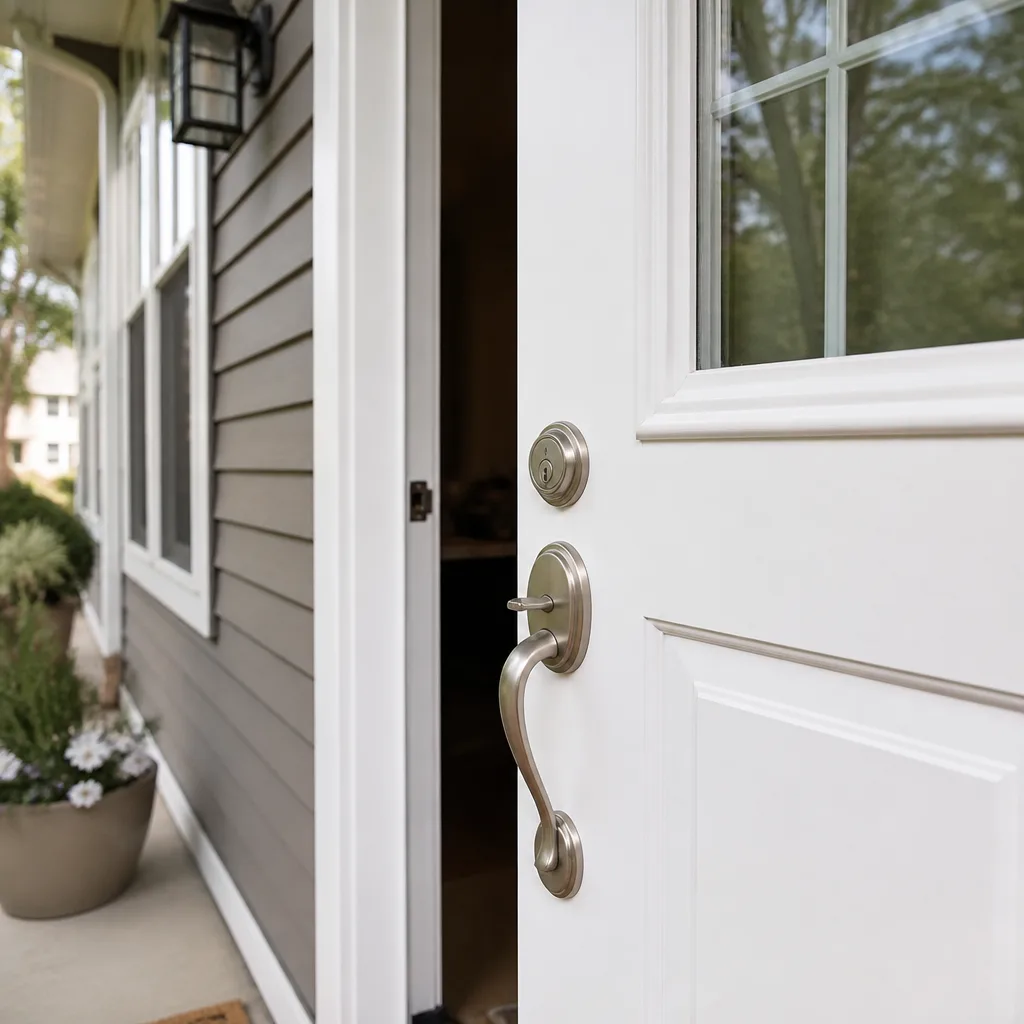
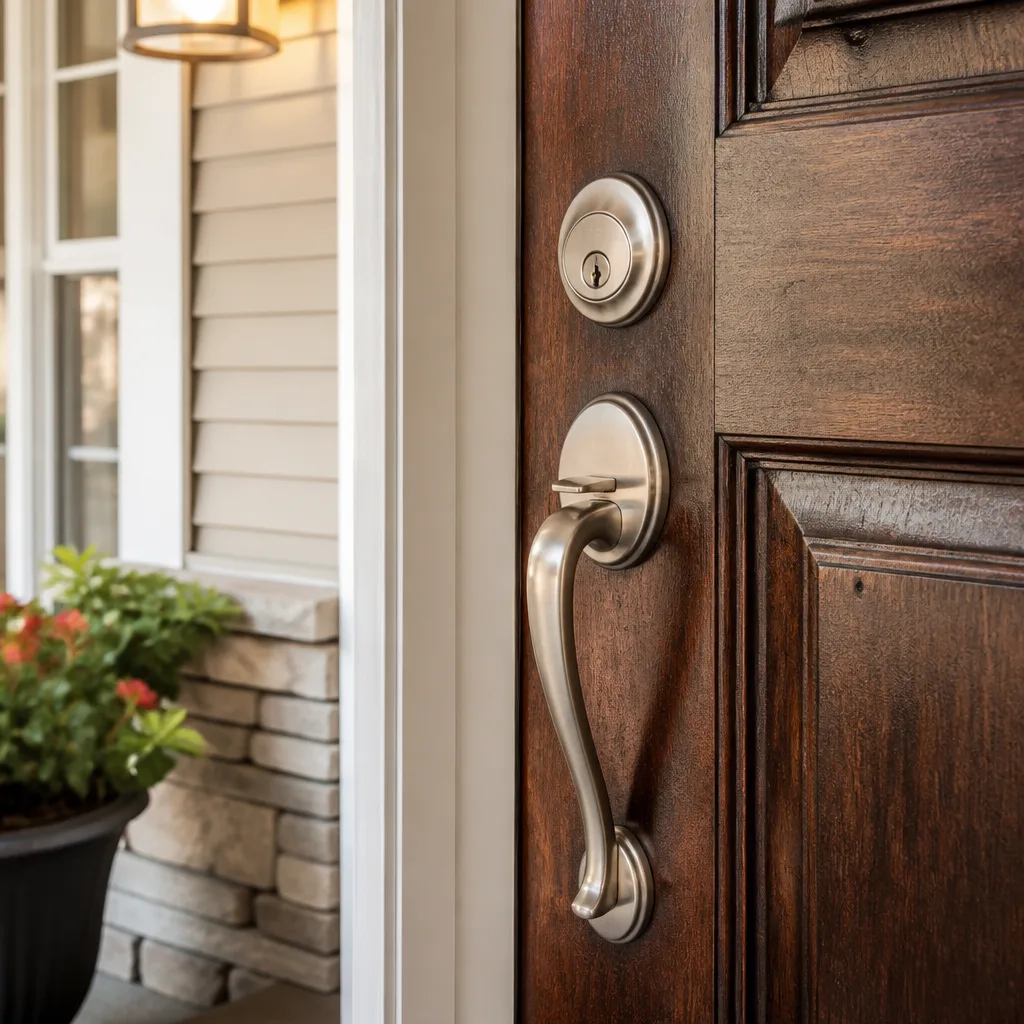
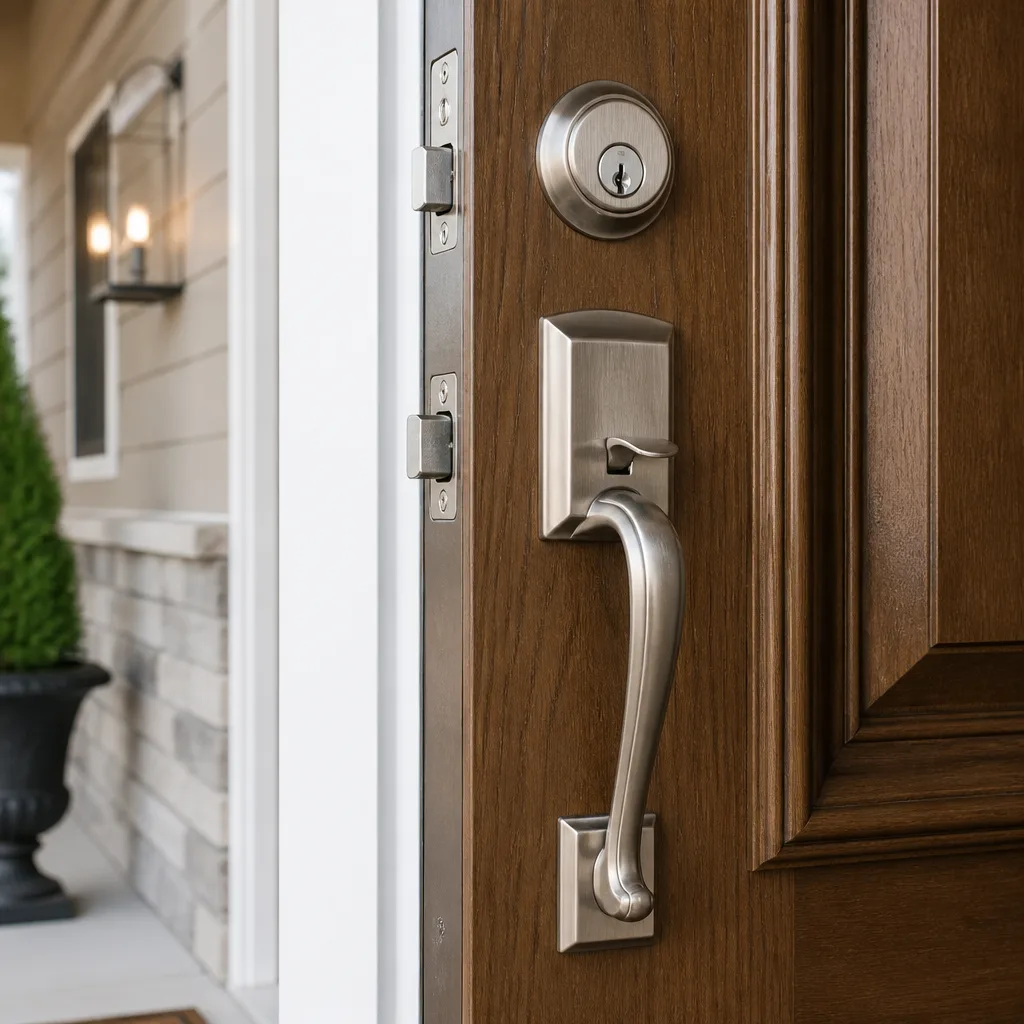
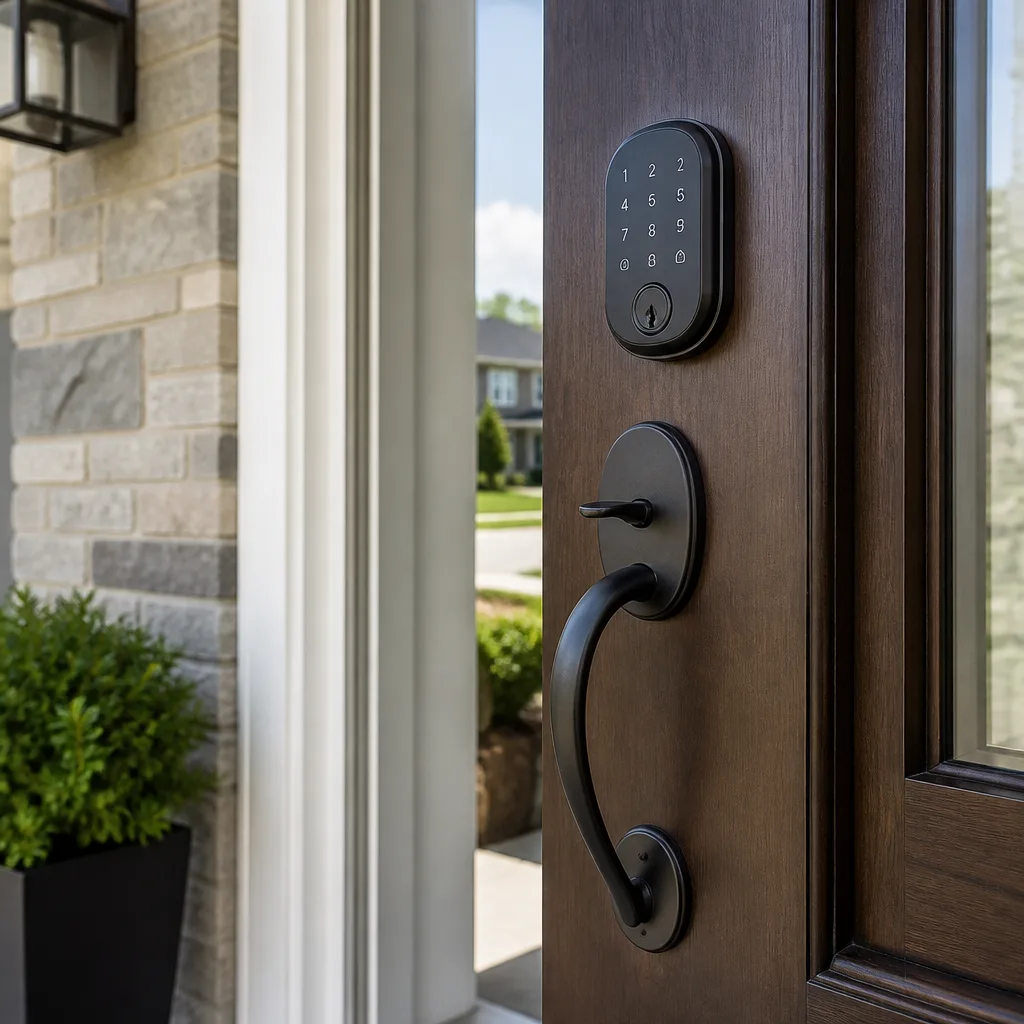
The Complete Residential Locksmith Guide for Los Angeles Homeowners
The average Los Angeles homeowner will spend thirty minutes comparing burrito spots on Yelp before deciding where to eat, then call the first locksmith that pops up on Google at midnight and accept whatever price gets quoted. That midnight call, the one made with a dead phone battery and a toddler asleep in the back seat, is the one that ends in a $600 invoice for a $90 job. This guide exists so the next time you need a locksmith in Los Angeles, you’ll already know what a fair price looks like, which services actually solve your problem, and how to spot a bad actor before they’re standing on your porch. You’ll learn how rekeying differs from lock replacement, what California law requires a locksmith to hand you before starting work, and how to build a home security baseline that covers real risk without burning money on unnecessary gear.
Quick Answer
A residential locksmith in Los Angeles handles five core services: emergency lockouts ($85-$180), rekeying existing locks ($15-$40 per cylinder), deadbolt upgrades ($45-$200 installed), smart lock installation ($150-$400), and sliding door security retrofits ($60-$180). The most important thing any Los Angeles homeowner can do is vet their locksmith before an emergency: verify the California locksmith license, confirm a physical street address exists, and insist on a written price before any work begins. Loxley Locksmith & Security has served Los Angeles since 2007 under the Kingswell standard: written pricing before work starts, a live person on every call, and a 365-day written guarantee on every repair.
Table of Contents
- What Residential Locksmith Services Actually Cover
- Rekey vs. Replace: The $300 Question
- Why Los Angeles Neighborhoods Change the Price
- How to Vet a Locksmith Before You’re Locked Out
- What California Law Requires in Writing
- Building a Home Security Baseline That Actually Works
- Smart Locks and Modern Deadbolts: What’s Worth It
- Common Mistakes to Avoid
- When to Call a Professional
- Frequently Asked Questions
- The Bottom Line
What Residential Locksmith Services Actually Cover
Most homeowners only think of a locksmith in one context: locked out, standing on the sidewalk, waiting for someone with a pick set. That’s a real part of the job, but it’s maybe fifteen percent of what a residential locksmith does on any given week in Los Angeles. Here’s the full menu, explained plainly, including what each service costs and when it makes sense.
Emergency Lockout
You’re locked out. Standard service call in Los Angeles runs $85 to $180, depending on time of day, whether it’s a weekend, and what kind of lock you have. A basic pin-tumbler deadbolt takes five minutes. A high-security Mul-T-Lock cylinder can take thirty. Most lockouts in Los Angeles do not require drilling. If the first thing a locksmith says is “we’ll have to drill it,” get a second opinion. Drilling is sometimes necessary for damaged locks or seized cylinders, but it’s the exception, not the rule, and it adds $150 to $250 for a new lock on top of the service call. Ask the tech to explain why the lock can’t be picked before agreeing to a drill. A competent residential locksmith can usually tell you within two minutes.
Rekeying
Rekeying means changing the internal pins inside an existing lock cylinder so the old keys stop working and new keys operate the lock. The lock hardware itself stays in place. In Los Angeles, rekeying a standard Schlage or Kwikset deadbolt typically runs $15 to $40 per cylinder, plus a service call fee of $60 to $90. Most homes have two to four locks, so a full-house rekey usually lands between $120 and $250. You rekey when you move into a new home, when you lose a key, when a roommate or tenant moves out, or when you’ve handed out more keys than you can account for. It’s the cheapest way to restore full key control without replacing functional hardware.
Deadbolt Upgrade
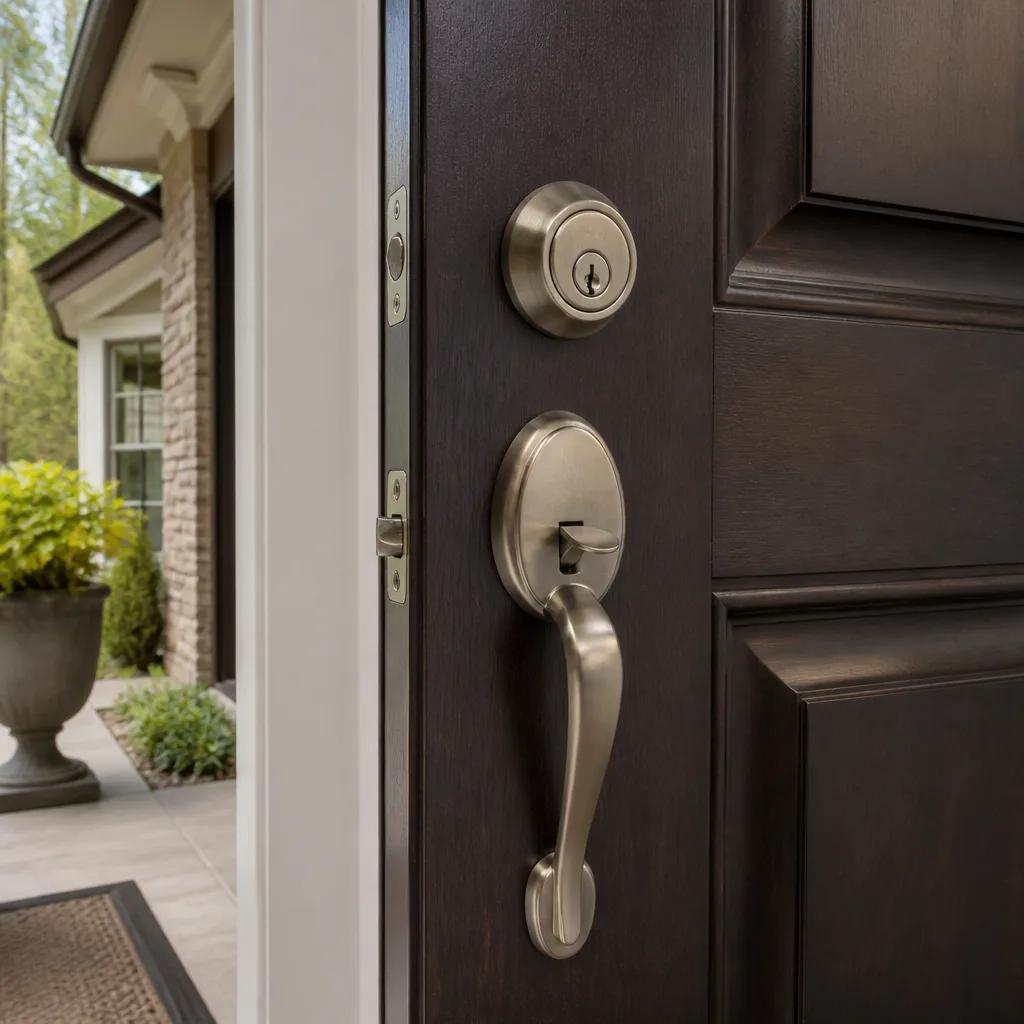
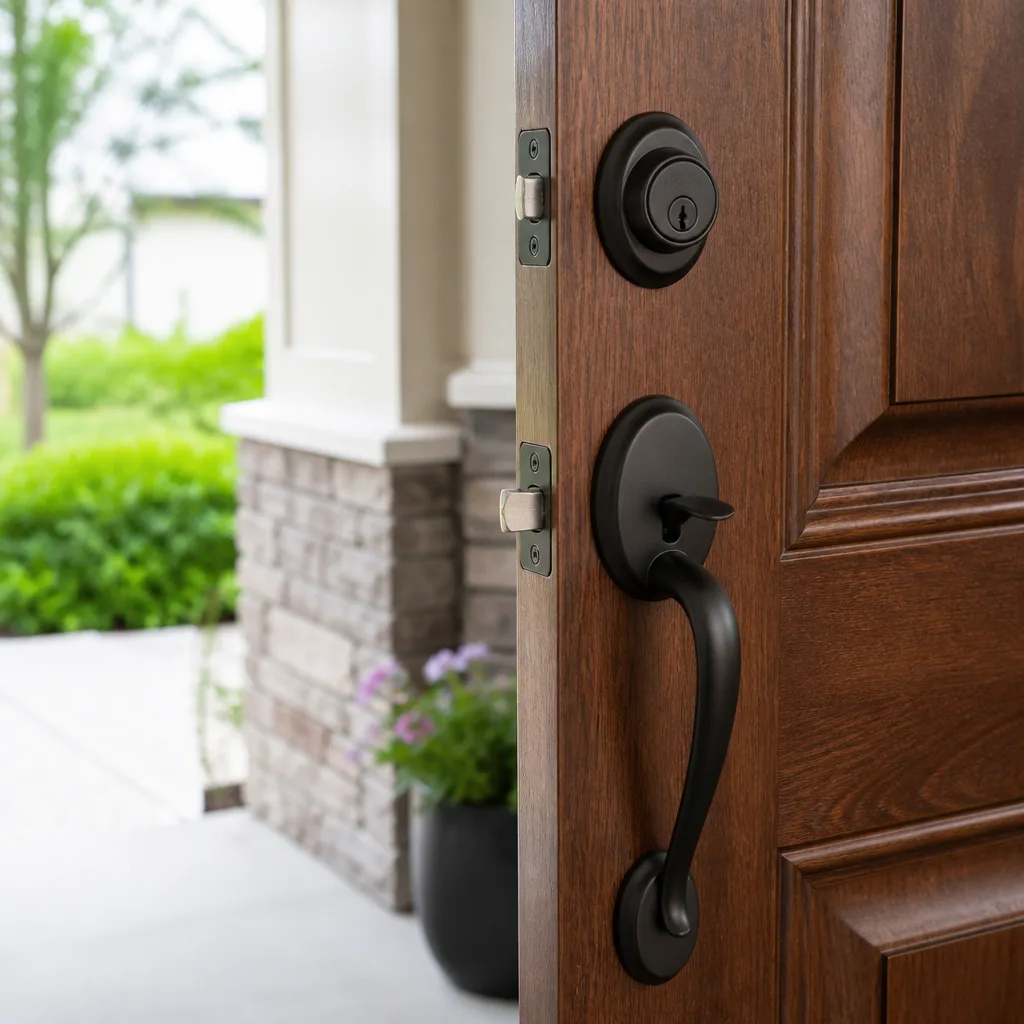
If your front door has a passage knob and no deadbolt, or a deadbolt with a short throw bolt that barely reaches the strike plate, you’re under-protected. In Los Angeles, a standard single-cylinder deadbolt installation runs $45 to $110 for the labor plus $25 to $90 for the hardware, depending on grade. A Grade 1 Schlage deadbolt is a different animal than a $15 Kwikset from a big box store. If you’re upgrading, spend the extra money on Grade 1 hardware. The difference is a solid steel bolt that extends a full inch into the frame versus a shorter bolt and lighter internal components. In our experience across Los Angeles, the upgrade from a builder-grade deadbolt to Grade 1 hardware is the single highest-value security improvement most homeowners can make.
Smart Lock Installation
Smart locks replace your existing deadbolt with a keypad, Bluetooth, or Wi-Fi connected unit. Installation in Los Angeles runs $150 to $400 including hardware and labor, depending on the lock model and whether your existing prep matches. Schlage Encode, Kwikset Halo, and Yale Assure are the most common installs we do. The real consideration with smart locks isn’t the install; it’s compatibility with your existing door prep and whether you want a standalone unit or full integration with a home automation system. A smart lock doesn’t make your door more secure than a Grade 1 mechanical deadbolt. It makes access more convenient. If you’re choosing between a cheap smart lock and a good mechanical deadbolt, choose the deadbolt.
Sliding Door and Window Security
Sliding glass doors are the most common secondary entry point in Los Angeles homes, and they’re often protected by nothing more than a factory latch. A burglar can lift a sliding door off its track in about ten seconds if it isn’t secured. Retrofit options include a secondary foot lock, a security bar that wedges between the door and frame, or upgrading to a multi-point lock. Parts and labor in Los Angeles run $60 to $180. Sliding windows get similar treatment with vent locks or auxiliary pins. This is not glamorous work, but it’s where break-ins actually happen.
Key Duplication and Key Control
Standard key cutting runs $3 to $10 per key in Los Angeles. Restricted and patented keyways, like Medeco or Mul-T-Lock, can run $15 to $40 and require authorization from the lock owner. If you’re running a home with multiple tenants, a housekeeper, a dog walker, and a property manager, you need a key control system. That’s the topic of a separate discussion, but the principle is simple: every key in circulation should be accounted for, and changing one person’s access should never require changing every lock. Loxley can explain how a restricted keyway works in practice: the blanks can’t be duplicated at a hardware store, and each key is traceable to a specific person.
For a deeper look at the full scope of work we handle, see our Residential Locksmith in Los Angeles page.
Rekey vs. Replace: The $300 Question
The most common misconception in residential locksmithing is that rekeying and replacing a lock are the same thing. They are not, and knowing the difference can save you $200 or more on a typical Los Angeles service call. Rekeying changes the internal pins so old keys no longer work. Replacing swaps the entire lock body for new hardware. You rekey when the lock is in good shape but key control is compromised. You replace when the lock itself is damaged, rusted, worn, or you want different hardware for security or aesthetic reasons.
Here’s the practical Los Angeles version of the decision: if your existing deadbolt is a name-brand unit in good working order, rekeying is the right call. It costs $15 to $40 per cylinder versus $60 to $180 per lock for replacement, and the end result is the same key control. If your existing hardware is a builder-grade lock that’s ten years old, or the finish is worn, or you’ve been meaning to upgrade to something sturdier, replace it. A Baldwin or Schlage Grade 1 deadbolt installed fresh is a better outcome than rekeying a mid-grade lock that’s nearing the end of its service life.
A note on Los Angeles’s older housing stock: homes built before 1960 in neighborhoods like Silver Lake, Echo Park, and Boyle Heights often have non-standard door prep. The cross-bore hole may be smaller than the modern 2-1/8-inch standard, the backset (the distance from the door edge to the center of the hole) may be 2-3/8 inches instead of the modern 2-3/4, and the door thickness may not match current hardware specs. What that means practically: a new deadbolt or smart lock is not always a drop-in swap. A residential locksmith has to assess the prep before quoting hardware, because modifying a vintage door to accept modern hardware adds labor. If a locksmith quotes you a replacement price over the phone without asking what year your home was built, the price is a guess, not a quote.
Why Los Angeles Neighborhoods Change the Price
Los Angeles is not one housing market. It’s a collection of micro-markets with different housing ages, door types, and security considerations, and those differences show up in locksmith pricing and recommendations. A 1920s Spanish Revival in Silver Lake has different hardware needs than a 2005 stucco tract home in Porter Ranch or a 1970s townhouse in Playa del Rey. Understanding why a price quote varies by neighborhood helps you evaluate whether a locksmith is being honest with you or making numbers up.
In Silver Lake, Echo Park, and Boyle Heights, we regularly see mortise locks on original doors that haven’t been replaced in fifty years. A mortise lock is a rectangular lock body set into a pocket cut into the door edge, common in homes built before 1950. These locks are often solid brass and beautifully made, but they take different parts than modern cylindrical locks. Rekeying a mortise cylinder costs more than a standard Schlage deadbolt, and replacing a mortise lock with a modern cylindrical lock requires filling and redrilling the door. A competent Los Angeles locksmith will work with a Baldwin or older Schlage mortise lock in place rather than pushing you to replace it. An incompetent one will tell you it’s “too old” and quote you $400 for a replacement you don’t need.
In the newer subdivisions of the San Fernando Valley and the Westside, we see the opposite: standard 2-1/8-inch preps, builder-grade Kwikset hardware, and doors that take modern locks without modification. Prices in those neighborhoods are usually lower because labor time is shorter and hardware is easier to source. In coastal communities like Venice and Mar Vista, salt air corrodes lock internals faster than inland, which means more replacement work and fewer rekeys. A locksmith who works Los Angeles every day knows to expect corrosion on a five-year-old lock in Santa Monica but not in Pasadena.
The key takeaway: if a locksmith quotes you a flat rate for a rekey or a deadbolt replacement over the phone without asking about your door, your lock type, or your neighborhood, that’s a red flag. Los Angeles residential locksmithing is not a flat-rate business. Legitimate pricing is based on what’s actually on your door.
How to Vet a Locksmith Before You’re Locked Out
This is the section that saves you a $600 invoice. The time to vet a locksmith in Los Angeles is not 11:30 PM on a Tuesday when you’re locked out of your car at a gas station on Sunset. The time is now, this afternoon, before you need one. Here’s a five-minute drill you can do right now that will protect you later.
- Verify the California locksmith license. California requires locksmith companies to hold a license through the Bureau of Security and Investigative Services (BSIS). You can check a license at the BSIS website in under sixty seconds. If a locksmith won’t give you their license number, or the license doesn’t match the company name on the ad, hang up. Every legitimate Los Angeles locksmith will provide this unprompted.
- Confirm a physical street address. The biggest red flag in the locksmith industry is a company with no verifiable address. If the website has no address, or the address is a P.O. box, or the address resolves to an empty storefront on Google Street View, that’s a dispatch service that sells your call to whoever is available, often with inflated pricing to cover the referral fee. A legitimate Los Angeles locksmith has a physical location you can verify. Check for a real street address that appears on the website, on the license, and on Google Maps. They should match.
- Ask about the written quote policy. Call the locksmith during business hours and ask, plainly, “Do you provide a written price before starting work?” If the answer is anything other than an immediate yes, move on. The entire industry’s reputation problem comes from companies that quote $35 on the phone and hand a $350 invoice at the door. A legitimate Los Angeles locksmith will offer a written price before any work begins, every time, no exceptions. That’s the standard. Anything less is a business model built on bait-pricing.
- Check for manufacturer certifications. A residential locksmith who stocks and works on Schlage, Kwikset, and Yale hardware is doing the same work as any other generalist. A residential locksmith who carries Medeco, Mul-T-Lock, Baldwin, and Abloy and can speak the manufacturer’s language is working at a different level. If you want high-security hardware or a restricted key system, ask whether the locksmith is authorized to install and service those specific brands. Not every shop is, and the ones that are will tell you immediately.
- Read reviews with a skeptic’s eye. A locksmith with fifty five-star reviews and nothing else is not a good sign. Real businesses with real Los Angeles customers get occasional three-stars for scheduling issues or price disagreements. A perfect rating on a short review history usually means the reviews are manufactured. Look for reviews that mention specific services, specific neighborhoods, and specific prices. “Rekeyed our new house in Atwater Village, total was $180, tech showed up when he said he would” is a real review. “Great service, would use again!” is a bot.
Loxley Locksmith & Security is part of the Kingswell family of locksmith companies, which has served Los Angeles since 2007. Our technicians are background-checked, uniformed, and every job is governed by the Kingswell Guarantee. A live person answers our phones 24/7, and every customer gets a written price before any work begins. That’s the Loxley Locksmith & Security home standard, and we don’t operate below it.
What California Law Requires in Writing
California has some of the strongest locksmith consumer protections in the country, and you should know what they are because invoking them calmly is the fastest way to end a confrontation before it starts. The relevant law is the California Business and Professions Code, and it applies to every locksmith operating in Los Angeles County.
The core requirement: a locksmith must provide a written invoice or work order that itemizes the services provided and the parts supplied before the work begins. The law specifically prohibits a locksmith from starting work without first providing a written estimate of the cost. If a locksmith arrives at your door and won’t give you a written price before touching your lock, you have the legal right to tell them to leave. You don’t need to argue. You don’t need to negotiate. You just say, “I’ll need a written price before you start,” and if they push back, that’s the end of the conversation.
The law also requires locksmiths to include their company name, license number, and contact information on all invoices and advertising. In Los Angeles, you can request the license number at any point, and a legitimate operation will provide it without hesitation. If the person at your door won’t show you a license, or the name on the license doesn’t match the name on the van, the call is over. Send them away.
Here’s the practical version of invoking your rights without confrontation. When the locksmith arrives and gives you a verbal price, say: “That works for me. Can you write that number down before you start?” That’s it. A legitimate locksmith will write the price on an invoice or work order and hand it to you. A bait-pricer will start hedging: “Oh, well, it depends on the lock, let me take a look first, it might be more.” The hedging is the tell. The price that’s “determined at the door” is the price that doubles at the door.
In Los Angeles specifically, we hear the same story from homeowners every week: the $29 service call that became $480 after “the lock was harder than expected.” The problem is never the lock. The problem is a business model that depends on you not knowing your rights. The fix is simple: written price before work starts, every time, no exceptions. That’s the Kingswell Way, and it’s the law.
Building a Home Security Baseline That Actually Works
Most Los Angeles homeowners don’t need a security system with monitoring, cameras, sensors, and a control panel. For more guides & resources on building practical home security without overspending, see our blog. They need a baseline: decent hardware, correct installation, and key discipline. Here’s what that looks like, in order of priority.
1. Grade 1 deadbolts on every exterior door. ANSI Grade 1 is the highest residential rating, and it’s what you want on your front, back, and side doors. A Grade 1 Schlage or Baldwin deadbolt has a full one-inch solid steel throw bolt and internal components designed for commercial-level abuse. In Los Angeles, installing Grade 1 deadbolts on all exterior doors typically costs $150 to $350 depending on door count and existing prep. This is the single most effective upgrade most homeowners can make.
2. Rekey every time key control changes. Moving into a new home? Rekey. Tenant moved out? Rekey. Lost a key? Rekey. Housekeeper changed? Rekey. In Los Angeles, a full-house rekey runs $120 to $250, and it should be a standard part of any move-in checklist. The previous homeowner’s keys are floating around somewhere. You don’t know how many copies were made or who has them. Rekeying solves that problem permanently.
3. Secure secondary entry points. Sliding doors, garage-side doors, and ground-floor windows are the most common break-in points in Los Angeles. Add a secondary foot lock or security bar to every sliding door ($60 to $180). Install a deadbolt, not just a knob lock, on the garage-to-house door. Check that your garage door’s emergency release can’t be tripped from outside. These are small fixes that close the obvious holes.
4. Move to a restricted keyway if you have distributed access. If more than three people have keys to your home, you need a key system where blanks can’t be copied at any hardware store. Medeco and Mul-T-Lock both make restricted keyways that require authorized dealers for duplication. Each key is serial-numbered and traceable to a specific person. In Los Angeles, setting up a restricted keyway for a home with a nanny, a housekeeper, and a property manager runs $300 to $600. It’s the difference between knowing who has keys and guessing.
5. Do a perimeter walk once a year. Walk around your home and test every lock. Does the deadbolt throw fully? Is the strike plate tight? Are the hinges secure? Does the sliding door lift off its track? A residential locksmith can do this in under an hour, and in Los Angeles, a security audit typically runs $85 to $150. It’s the cheapest insurance you’ll buy all year.
Smart Locks and Modern Deadbolts: What’s Worth It
Smart locks are the most popular category in residential security right now, and the Los Angeles market has fully embraced them. But the honest answer from a working locksmith is this: a smart lock is not a security upgrade. It’s a convenience upgrade. If you’re buying a smart lock to make your home more secure, you’re spending money on the wrong problem.
Here’s what a smart lock actually does. It lets you use a keypad code instead of a key. It lets you grant and revoke access remotely. It logs entry and exit times. It can integrate with a broader home automation system. What it doesn’t do is make the physical lock stronger. A smart lock’s security ceiling is determined by the deadbolt hardware underneath, and most smart locks come with mid-grade cylinders and bolts. If you put a smart lock on an interior-grade door with a weak strike plate, you’ve made your door more connected, not more secure.
The right order of operations in Los Angeles is this: first, make sure your physical security is sound. Grade 1 deadbolt, reinforced strike plate with three-inch screws into the door frame, tight hinges, solid door construction. Once that baseline is in place, adding a smart lock is a reasonable convenience purchase. Schlage Encode, Kwikset Halo, and Yale Assure are all name-brand units we install regularly. Installation in Los Angeles runs $150 to $250 for labor, plus $150 to $300 for the hardware, depending on the model. For commercial-grade or multi-unit smart access, see our Access Control Systems in Los Angeles page.
One Los Angeles specific note: many older homes in neighborhoods like Los Feliz and Hancock Park have solid-core vintage doors that are wider and thicker than modern doors. Smart lock installations on those doors often require an extended deadbolt tailpiece or a spacer kit, and some units simply won’t fit without modifying the door. A residential locksmith who’s installed smart locks in Los Angeles will check the backset and door thickness before quoting. Someone who hasn’t will show up with the wrong parts and improvise. Ask about door compatibility before you buy.
And if you’re running a small business out of your home, or a home office with client-facing entry, a commercial-grade solution might be a better fit. Our Commercial Locksmith in Los Angeles service covers the full range, from master key systems to standalone access control.
Common Mistakes to Avoid
- Hiring the cheapest ad without checking the license. In Los Angeles, the cheapest locksmith ad is usually a dispatch service with no license, no address, and no accountability. You’re not buying a $19 service call; you’re buying a $400 problem.
- Accepting a verbal quote without a written price. California law requires a written estimate before work begins. If the locksmith won’t write it down, the price will change. In Los Angeles, the verbal quote is not the price on the invoice.
- Agreeing to a drill before a pick attempt. Every competent residential locksmith in Los Angeles can pick a standard lock. Drilling should only happen when the lock is damaged or seized. If drilling is the first suggestion, it’s about selling a new lock, not opening a door.
- Skipping a rekey after moving in. You have no idea how many copies of the old keys exist. In Los Angeles, a full-house rekey is $120 to $250. A break-in costs far more.
- Upgrading to a smart lock before securing the physical door. A smart lock on a weak door is a $300 convenience on top of a security problem. Fix the door and the hardware first.
- Ignoring sliding doors and secondary entries. Los Angeles burglaries happen through the back door, the side door, and the sliding glass door more often than the front. If you only secure the front entrance, you’ve secured one of four paths in.
- Letting a locksmith leave without a written guarantee. Every repair should include a written warranty covering parts and labor. If the guarantee isn’t on paper, it doesn’t exist. The Kingswell standard is a 365-day guarantee on every repair, with a free return visit if the repair fails inside that year.
When to Call a Professional
Some lock work is simple enough for a homeowner with a screwdriver. Replacing a doorknob on a pre-drilled door, tightening hinge screws, swapping out a strike plate: those are Saturday morning projects. Anything involving lock internals, key control, or security hardware is not. Read our DIY vs Professional Commercial Locksmith: What’s Safe to Do Yourself guide for a deeper breakdown. If you’re locked out, if a key broke off in the cylinder, if a deadbolt won’t throw, if a sliding door isn’t latching, or if you need a restricted keyway set up, call a professional. The cost of a professional fix is almost always less than the cost of a botched DIY attempt that requires an emergency call to fix the damage. Loxley Locksmith & Security offers free estimates in Los Angeles: call (682) 281-8985 and a live person will answer, day or night, and give you a written price before any work begins.
Frequently Asked Questions
A typical Los Angeles residential locksmith call runs $85 to $180 for a lockout, $120 to $250 for a full-house rekey, and $150 to $350 for deadbolt replacement on all exterior doors. Smart lock installation runs $150 to $400 including hardware and labor. The full price should be provided in writing before work begins, and there should be no additional call-out surcharge added on arrival. Call (682) 281-8985 for an exact quote, estimates are free.
At Loxley Locksmith & Security, yes. Every customer receives a written price before any work begins, and that written price is the price on the invoice. If a repair reveals unexpected complications, we discuss them with you and get written approval before proceeding. No figure changes at the door. If you’ve had a locksmith quote one price and charge another, here’s how we handle that differently: the price is on paper before the drill comes out. Call (682) 281-8985 if you’d like to confirm our current rates.
Loxley Locksmith & Security maintains technicians across Los Angeles and typically reaches most neighborhoods within 30 to 60 minutes for emergencies. We answer calls 24/7 with a live person, not a voicemail or a callback service. When you call (682) 281-8985, you’ll get a real conversation and a real arrival window, and we keep the window we give you.
Ask for the California BSIS license number, then verify it at the Bureau of Security and Investigative Services website. Check that the license name matches the company name on the invoice and the van. Confirm a physical street address exists and matches the one on the license. A legitimate Los Angeles locksmith will provide all of this without hesitation. Loxley Locksmith & Security has served Los Angeles since 2007 as part of the Kingswell family of locksmith companies, with every technician background-checked and uniformed.
In most cases, yes. Standard pin-tumbler locks in Los Angeles homes can be picked open by a competent locksmith without damaging the lock or the door. Drilling becomes necessary only when the lock is damaged, seized, or the cylinder is a high-security model that resists picking. A legitimate residential locksmith will attempt a non-destructive entry first and will explain before drilling. If drilling is the first suggestion, ask why a pick attempt isn’t possible.
If the existing hardware is name-brand and in good working order, rekeying is the right call. In Los Angeles, rekeying a standard Schlage or Kwikset deadbolt runs $15 to $40 per cylinder, versus $60 to $180 per lock for replacement. If the hardware is builder-grade, worn, or you want a security upgrade, replace it with Grade 1 deadbolts. Either way, do it before you move in. You don’t know who has copies of the old keys.
The Bottom Line
The Los Angeles residential locksmith market rewards homeowners who do their homework before an emergency. Know the difference between a rekey and a replacement. Vet your locksmith now, not at midnight. Insist on a written price before any work starts, because that’s both the law and the only reliable defense against bait-pricing. Build your security baseline around Grade 1 deadbolts, regular rekeying, and secondary entry protection, not around gadgets. And when you call a locksmith, call one that’s part of a standard you can hold them to. The Kingswell Way is simple: say the price before the work, show up in the window we gave, leave the place cleaner than we found it, put the guarantee in writing, and come back if it fails.
Written by Sam Rourke, Owner at Loxley Locksmith & Security, serving Los Angeles since 2007.