
Last updated October 8, 2026
Non-destructive entry first, always - and we re-key Schlage, Kwikset, and Baldwin locks on the spot while you watch
You get a price before we start. It does not change when we arrive. No surprises.
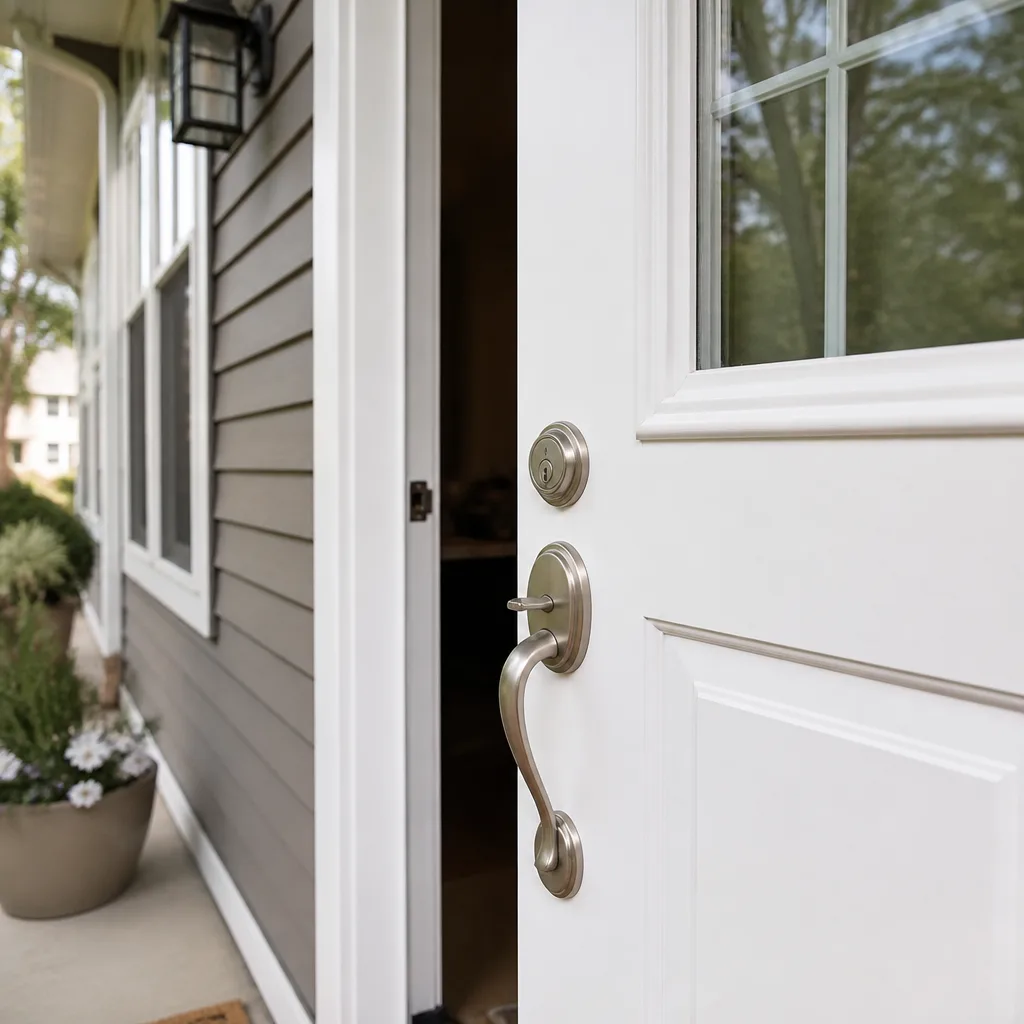
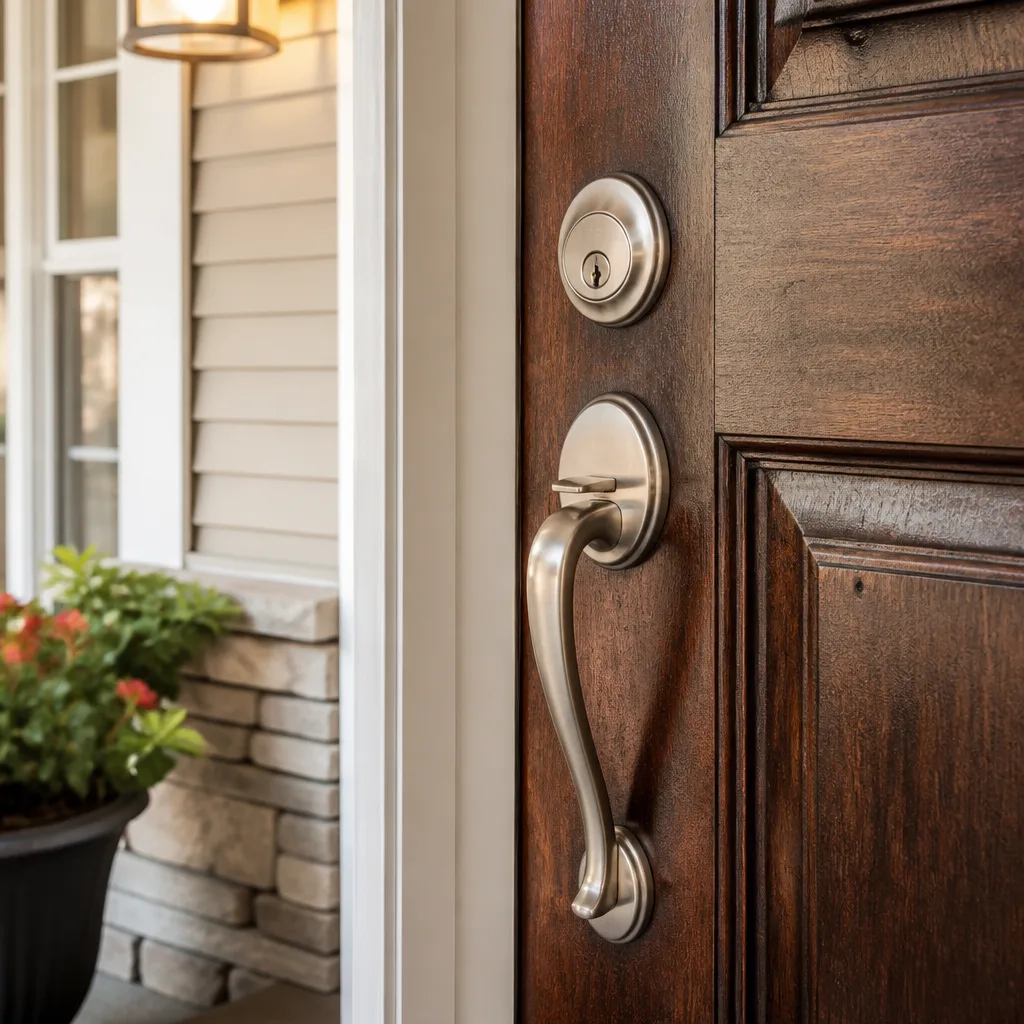
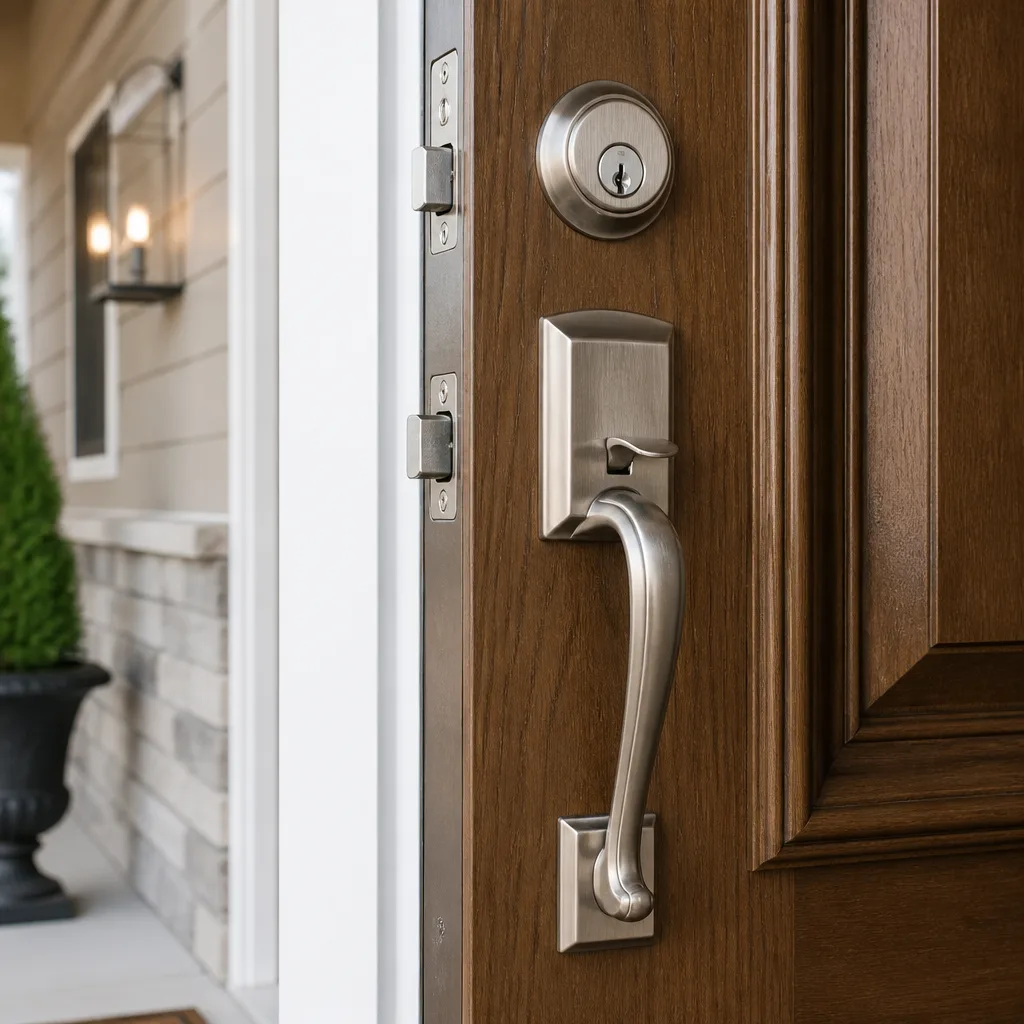
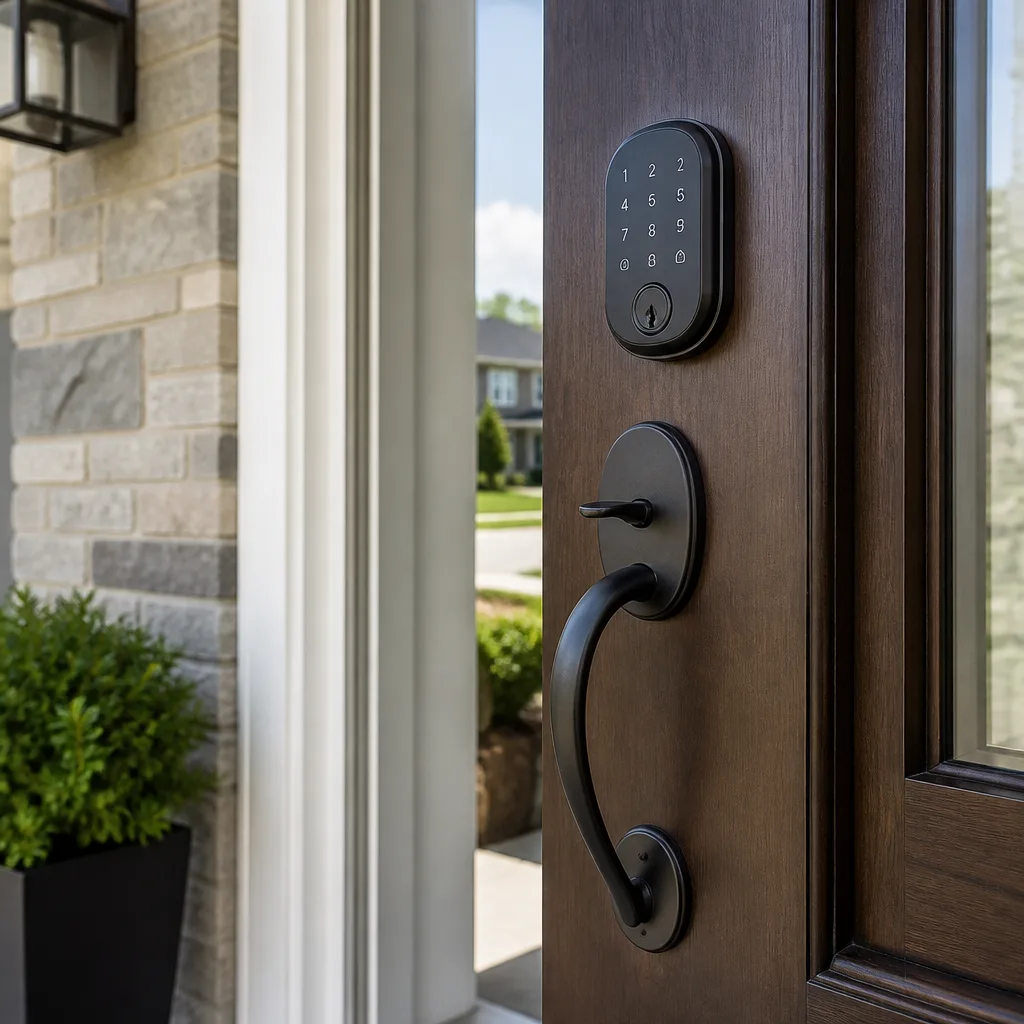
Residential Locksmith Warning Signs Every Homeowner Should Know
The Federal Trade Commission has logged thousands of complaints about bait-and-switch locksmith pricing, and in nearly every case, the homeowner said the technician seemed perfectly professional right up until the invoice appeared. That is the uncomfortable truth about this trade: the worst actors do not look sketchy. They show up in clean shirts, speak calmly, and work quickly. This guide walks you through the specific moments in a service call where honest and dishonest locksmiths diverge, using patterns we have seen play out across Los Angeles neighborhoods from Sherman Oaks to Highland Park. You will learn what questions to ask, what paperwork to demand, and how to spot a scam before your lock is on the floor in pieces.
Quick Answer
The biggest residential locksmith warning signs are a suspiciously low quote given over the phone, a technician who reaches for a drill before trying non-destructive entry, a verbal agreement that never gets put in writing, and a final price that balloons once the lock is already disassembled. Any locksmith who cannot show you the damaged part they claim needs replacing is a red flag. In Los Angeles, where a locksmith call can run anywhere from $75 for a simple lockout to $400-plus for a full rekey or deadbolt replacement, knowing the price before the work starts is your best defense.
Table of Contents
- The Drill-First Tactic: When Destruction Is a Choice, Not a Necessity
- The Price-Escalation Script: Exactly What It Sounds Like
- The Unmarked Van and the Call-Center Middleman
- What a Written Quote Must Contain Before Work Starts
- The One Question That Exposes a Dishonest Locksmith
- Los Angeles-Specific Warning Signs: What Our Market Teaches Us
- Common Mistakes to Avoid
- When to Call a Professional
- Frequently Asked Questions
- The Bottom Line
The Drill-First Tactic: When Destruction Is a Choice, Not a Necessity
Here is the single most important thing to understand about residential locksmith work: a legitimate locksmith treats drilling as a last resort, never a first move. We have opened thousands of locked doors in Los Angeles, and in the overwhelming majority of residential lockouts, the lock never needs to be drilled. Standard Schlage and Kwikset locks, the brands on most Southern California front doors, can typically be picked or bypassed in under ten minutes by a trained technician using non-destructive methods. Drilling is reserved for high-security cylinders like Medeco or Mul-T-Lock, where the pin configuration makes picking impractical, or for locks that have already failed internally.
So when a technician arrives at your Los Angeles home, glances at the lock for thirty seconds, and announces that it has to be drilled, ask yourself: did they try anything else first? A Residential Locksmith in Los Angeles who reaches for the drill before attempting to pick the lock is either undertrained or running a script. The script works like this: the drilling itself adds a labor charge, the replacement lock is marked up, and the homeowner, standing in the heat on a Burbank afternoon with a demolished deadbolt in hand, is in no position to negotiate. The total can climb from the $49 “service call” quoted on the phone to $300 or more.
What you should expect: a legitimate technician will examine the lock, identify the brand and type, attempt non-destructive entry, and only then discuss drilling as an option, with a clear explanation of why it is necessary and what the replacement will cost. If none of that happens, and the drill comes out within minutes of arrival, you are watching a warning sign in real time.
The Price-Escalation Script: Exactly What It Sounds Like
Every bait-and-switch locksmith uses a version of the same script once the lock is off the door. It goes something like this: the technician pauses, frowns at the hardware in his hands, and says, “This is a high-security lock. I’m going to need to charge you for a specialty cylinder.” Or: “There’s internal damage here. Your pins are fried.” Or, the Los Angeles favorite: “This is an older building code issue. Your strike plate needs to be replaced for compliance.”
None of these statements are necessarily false on their face. High-security locks do exist. Internal damage does occur, especially in coastal neighborhoods like Venice or Playa del Rey, where salt air accelerates metal fatigue. But a legitimate locksmith will show you the damage, explain why it matters, and give you a written price for the additional work before doing it. A scammer will tell you the problem exists, act as if the clock is ticking, and start reaching for new parts from the van before you have had a chance to process what just happened.
Here is the line to memorize: “Show me what you are seeing.” Ask the technician to point to the damage. Ask why the lock is suddenly a high-security model when it was a standard Schlage five minutes ago. A competent, honest locksmith will welcome the question. In our experience, we would rather have a customer challenge us at the door than feel uneasy about the invoice later. An evasive one will deflect, rush, or get irritated. That reaction is the warning sign.
If you have had a locksmith quote one price and charge another, here is how we handle that differently: every Loxley Locksmith & Security job starts with a written quote that includes parts, labor, and the total before any work begins. The number on that paper is the number on the invoice. No exceptions, no footnotes, no “discovered damage” add-ons mid-job. If we find something unexpected once the lock is open, we stop, show you, and get your sign-off in writing before touching anything else.
The Unmarked Van and the Call-Center Middleman
When you call a locksmith in Los Angeles, you assume you are calling a local business. Often, you are not. Many of the ads that dominate Google and Yelp for “locksmith near me” are placed by call-center middlemen who then dispatch a subcontractor, often in an unmarked van or a personal vehicle, with no uniform and no identification. The person on the phone took your credit card information. The person at your door has no connection to the company whose name you searched.
Why does this matter for pricing? The middleman takes a cut. The dispatcher takes a cut. The technician at your door knows they will likely never see you again, so they have no incentive to build a reputation, honor a guarantee, or even be careful with your door. The unmarked van is not just a cosmetic detail. It is the visible symptom of a system designed to create distance between the customer and whoever is actually responsible for the work.
In Los Angeles, we see this pattern concentrated in certain zip codes, particularly around downtown and the denser parts of the San Fernando Valley, where high call volume makes the math work for dispatch mills. A real local locksmith has a marked vehicle, a uniformed technician, and a business address. Ask for the company’s physical address before you book. If the person on the phone hesitates, gives you a P.O. box, or says “we serve all areas,” treat that as a warning sign.
Every Loxley technician arrives in uniform, in a marked vehicle, with identification. You will know who is at your door and who they work for. It sounds basic, but in a city where Access Control Systems in Los Angeles and locksmith services are often sold through layers of intermediaries, basics matter.
What a Written Quote Must Contain Before Work Starts
A verbal quote is not a quote. We cannot say this plainly enough. In California, a consumer’s best protection against a bait-and-switch is a piece of paper with numbers on it. If a technician will not provide a written quote before touching your lock, send them away. That is not a negotiation tactic; it is the single most reliable filter for separating professionals from opportunists.
A legitimate written quote for residential locksmith work in Los Angeles should contain at minimum:
- Scope of work: Exactly what will be done, stated in plain language. “Rekey front entry Schlage deadbolt to new key” is a scope. “Fix lock” is not.
- Parts: Brand, model, and quantity of any hardware being replaced. If it says “lock cylinder” without a brand, ask for specificity.
- Labor: The hourly rate or flat fee, with any minimums stated explicitly.
- Total: A single number that includes everything: parts, labor, taxes, fees, and the service call. No asterisks, no “plus parts” language.
- Guarantee terms: What is covered, for how long, and what happens if the repair fails.
At Loxley Locksmith & Security, this is the Kingswell Way. The five rules that govern every job, written down and followed: say the price before the work; show up in the window we gave; leave the place cleaner than we found it; put the guarantee in writing; come back if it fails. Not one of those rules is optional. And the 365-Day Done Right Promise backs every repair with a full year of coverage, parts and labor, at no charge if anything fails inside that window.
If a locksmith in Los Angeles tells you a written quote is “not how the industry works” or that “the price depends on what we find,” that is a warning sign, not an industry norm.
The One Question That Exposes a Dishonest Locksmith
Of everything in this guide, one question matters more than the rest. When a technician tells you that a part is damaged, worn, or failing, look them in the eye and ask: “Can I see the damaged part you’re replacing?”
A legitimate locksmith will hand it to you without hesitation. We do this routinely. The old cylinder, the bent latch, the stripped screw, the worn pins: these are your parts. You paid for them when you bought the lock. You have every right to see what failed and why. In fact, we prefer customers who ask, because it means they are paying attention, and we can show them exactly what we found and explain what happened in their specific lock.
A dishonest locksmith will do something else. They will say they already threw the part in the van. They will tell you it was unsafe to leave lying around. They will change the subject to the new lock and how much better it is. They might even start installing the replacement before you can push back, which is a deliberate maneuver to make the decision feel over. Every one of those evasions is a warning sign. There is no legitimate reason a technician cannot show you a part they removed from your own door five minutes ago.
This matters in Los Angeles specifically because the sheer number of rental properties, ADUs, and multi-family conversions means locksmiths are often working on doors that have been through multiple tenants, multiple handyman repairs, and multiple cheap hardware-store replacements. The condition of the hardware is genuinely variable. An honest technician will show you what they found. A scammer will ask you to trust them. Trust is not a policy. Proof is a policy.
Los Angeles-Specific Warning Signs: What Our Market Teaches Us
Los Angeles is not a generic locksmith market. It is a sprawling, 500-square-mile patchwork of neighborhoods, building codes, housing ages, and climate zones, and each one shapes the kind of lock problems homeowners face. Understanding the local context helps you spot when a technician is making things up as opposed to describing a real, known issue. For Seasonal Locksmith Care for Los Angeles: Year-Round Homeowner’s Guide and more guides & resources, see our blog.
Old-House Hardware in Highland Park and Echo Park
Many homes in Los Angeles’s older neighborhoods, from Angelino Heights to Jefferson Park, were built in the 1920s and 1930s. Their original locks are often mortise-style units, which are more complex than modern cylindrical deadbolts and frequently require specialized knowledge to service. A warning sign here is a technician who has never worked on a mortise lock and tries to retrofit a modern deadbolt with a drill, leaving the door patched and ugly. Legitimate technicians who know Los Angeles housing stock will recognize a vintage Baldwin or Yale mortise lock and discuss restoration versus replacement with you honestly. Replacement is sometimes the right call; but it should be a conversation, not a surprise.
Coastal Corrosion in Venice and the South Bay
Salt air destroys lock internals faster than any other force in the Los Angeles market. In neighborhoods within three miles of the ocean, we regularly see lock cylinders seized by corrosion within five years of installation. This is a real, documented phenomenon. A scammer will use “coastal corrosion” as a vague excuse to replace everything. A legitimate locksmith will show you the corrosion on the removed part and discuss which components actually need replacing. Often it is just the cylinder, not the entire lock assembly.
The Landlord Special Across the Valley
The San Fernando Valley has a high concentration of rental properties where locks have been rekeyed repeatedly over decades, often with mismatched hardware and stripped screws. When a technician tells you a lock is “worn out,” in many Valley homes, that is likely true. But “worn out” is not a blank check. Ask for specifics: worn pins? A failing latch? A loose strike plate? The answer tells you whether you are dealing with a professional or a script-reader.
One more thing specific to this market: Los Angeles has specific building code requirements for exit devices on multi-family and commercial properties, and a residential locksmith should understand the boundary between what a homeowner can DIY and what requires a Commercial Locksmith in Los Angeles with code knowledge. Be wary of anyone who shrugs off code questions.
Common Mistakes to Avoid
Most Los Angeles homeowners do not get scammed because they are naive. They get scammed because they are in a hurry, standing outside a locked house, with a phone battery at 9 percent, and the first number that answers sounds fine. The mistakes are predictable. Here they are:
- Calling the first paid ad that appears in search results. Paid placement is not a quality signal. It is a bidding signal. Many of the most aggressive advertisers in Los Angeles locksmith results are call-center middlemen, not local businesses. Scroll down, look for a real address, and read the website before calling.
- Accepting a quote without seeing it in writing. If the number is not on paper before the work starts, it does not exist. In California, verbal quotes offer almost no consumer protection when a dispute arises.
- Standing outside while the technician works. You do not need to hover over a technician’s shoulder, but you should be present enough to see when the drill comes out, what parts are being removed, and what is being installed. Distance is how scammers operate.
- Paying in cash without an itemized receipt. Cash transactions leave no paper trail. A legitimate locksmith will produce an itemized invoice regardless of payment method. If they push cash “for tax reasons,” you have your answer.
- Not asking about the guarantee before the work starts. A one-year guarantee in writing is standard practice among serious locksmiths. If the guarantee is vague, verbal, or nonexistent, ask why.
- Assuming a low initial quote means a good deal. In Los Angeles, a locksmith who quotes $19 on the phone is not doing you a favor. They are buying the right to stand in your driveway and apply pressure. Real pricing is honest pricing, and real pricing starts around $75 for a simple lockout, not $19.
- Reusing the same key after a lockout without rekeying. If you lost a key, you do not just need a new copy. You need the lock rekeyed so the lost key no longer works. We see this overlooked constantly, especially by homeowners who are rushing to get back inside.
When to Call a Professional
Some lock situations are manageable with a screwdriver and patience. Others are not. Call a professional locksmith when a key snaps off inside the lock, when a deadbolt stops turning smoothly in every weather condition, when a door was forced and the strike plate or jamb shows damage, when you have lost keys and need the lock rekeyed, or when you want to upgrade to high-security hardware like a Medeco or Mul-T-Lock. These jobs involve precise fitting, specialized tools, and sometimes door frame repair that goes beyond a hardware swap. If the issue involves the lock’s internal mechanism, a trained technician will diagnose it correctly and fix it once. Loxley Locksmith & Security offers free estimates in Los Angeles, call (682) 281-8985 and we will talk you through what you are seeing before we ever send a truck. For Access Control Systems Maintenance Schedule: What to Do and When, see our maintenance guides.
Frequently Asked Questions
A legitimate locksmith has a physical business address in Los Angeles, answers the phone with a company name, sends a uniformed technician in a marked vehicle, and provides a written quote before any work starts. Ask for the company’s address and the technician’s name. If either answer is vague, treat it as a warning sign.
Residential locksmith pricing in Los Angeles typically ranges from $75 to $150 for a straightforward lockout, $85 to $180 for rekeying a standard Schlage or Kwikset deadbolt, and $150 to $400 for replacing a deadbolt or entry lock with new hardware, depending on the brand and security grade. High-security brands like Medeco or Mul-T-Lock start higher. Any quote significantly below these ranges should be treated skeptically.
Refuse to pay the additional amount, ask for a written invoice, and document everything. If the technician insists, ask them to stop work and leave. You can dispute the charge with your credit card company and file a complaint with the California Attorney General’s office. The Loxley Locksmith & Security home team hears this story weekly, which is why every job carries a written price before work begins, with no changes at the door.
Drilling is acceptable only after non-destructive methods have failed or when the lock is a high-security brand like Medeco or Mul-T-Lock that resists picking. If a technician drilled your standard Schlage or Kwikset lock within minutes of arriving without trying to pick it first, the drilling was probably unnecessary and served to inflate the bill.
No. Legitimate locksmiths in Los Angeles collect payment at the completion of the job, after you have tested the lock and received your written guarantee. Any demand for upfront payment in full, especially in cash, is a serious warning sign.
A straightforward rekey of a single Schlage or Kwikset lock takes 15 to 30 minutes. Rekeying multiple locks to one key, known as keying alike, takes longer depending on the number of locks and whether they share the same keyway. If a technician tells you a simple rekey will take two hours, ask why.
The Bottom Line
Residential locksmith scams in Los Angeles follow a predictable pattern. The quote is too low on the phone, the drill comes out too fast at the door, the part disappears too quickly into the van, and the invoice arrives too late to question. You do not need to be a locksmith to protect yourself. You need to ask three questions: where is your physical address, what is the price in writing before you start, and can I see the part you are replacing. A legitimate Los Angeles locksmith will answer all three without blinking. The Kingswell Way exists because we believe the trade should be run on paper, not on pressure. Explore more guides & resources on our blog. Call (682) 281-8985 for a free estimate on any residential lock issue, and you will know the real number before anyone touches your door.
Written by Sam Rourke, Owner at Loxley Locksmith & Security, serving Los Angeles since 2007.