
Last updated October 8, 2026
Non-destructive entry first, always - and we re-key Schlage, Kwikset, and Baldwin locks on the spot while you watch
You get a price before we start. It does not change when we arrive. No surprises.
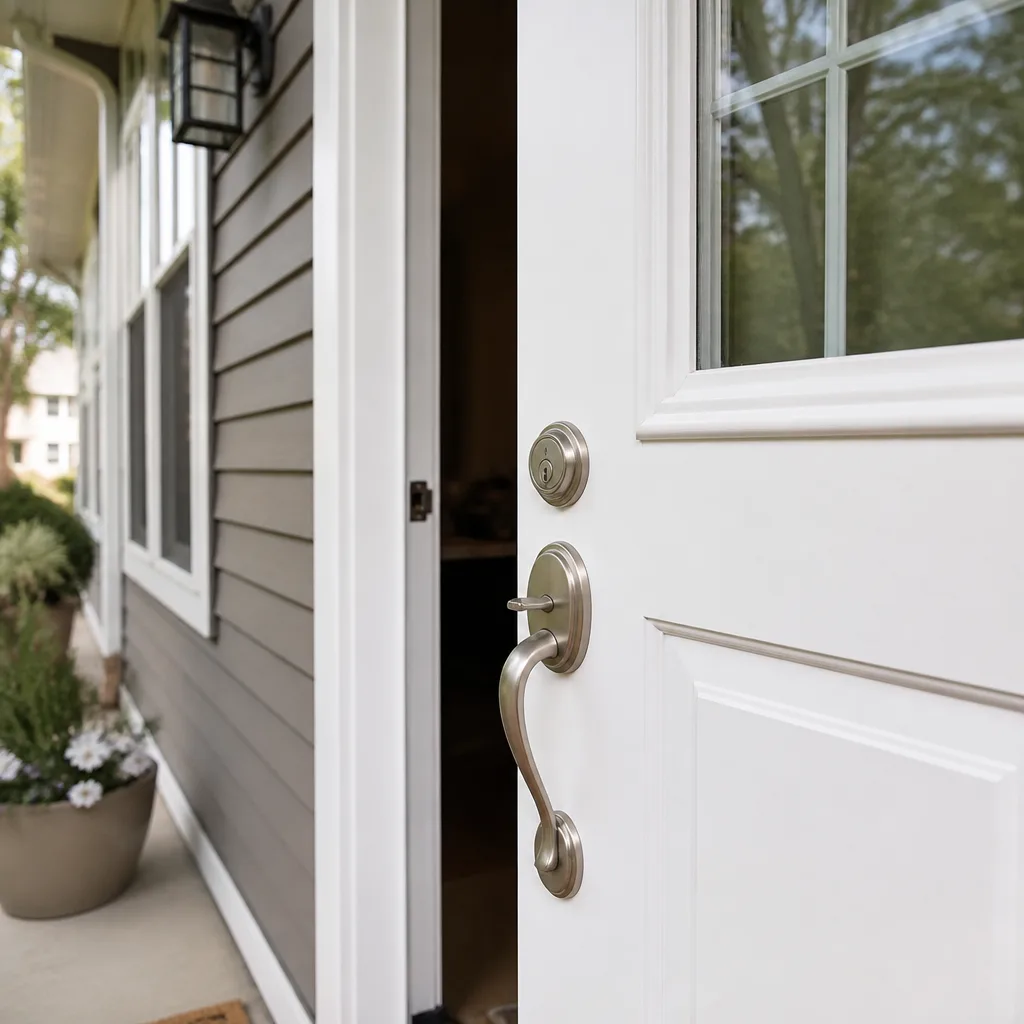
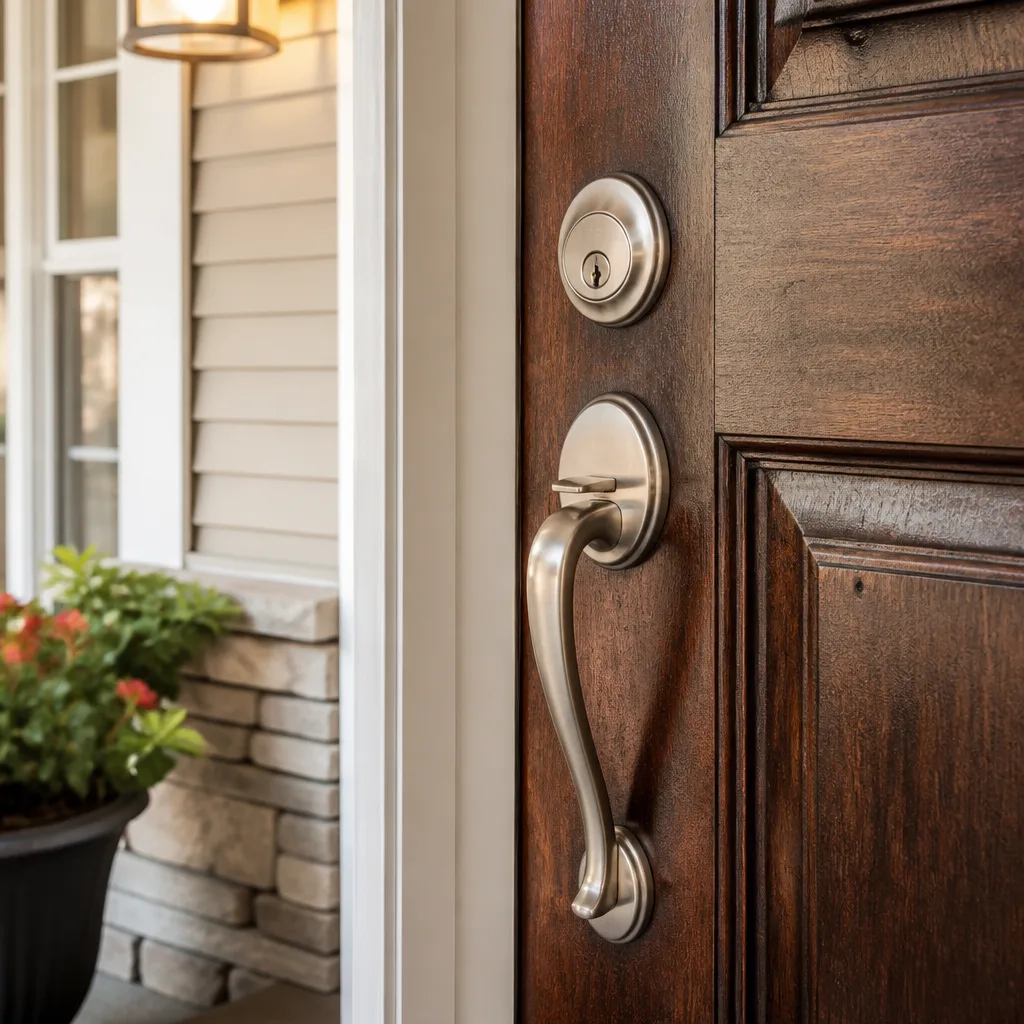
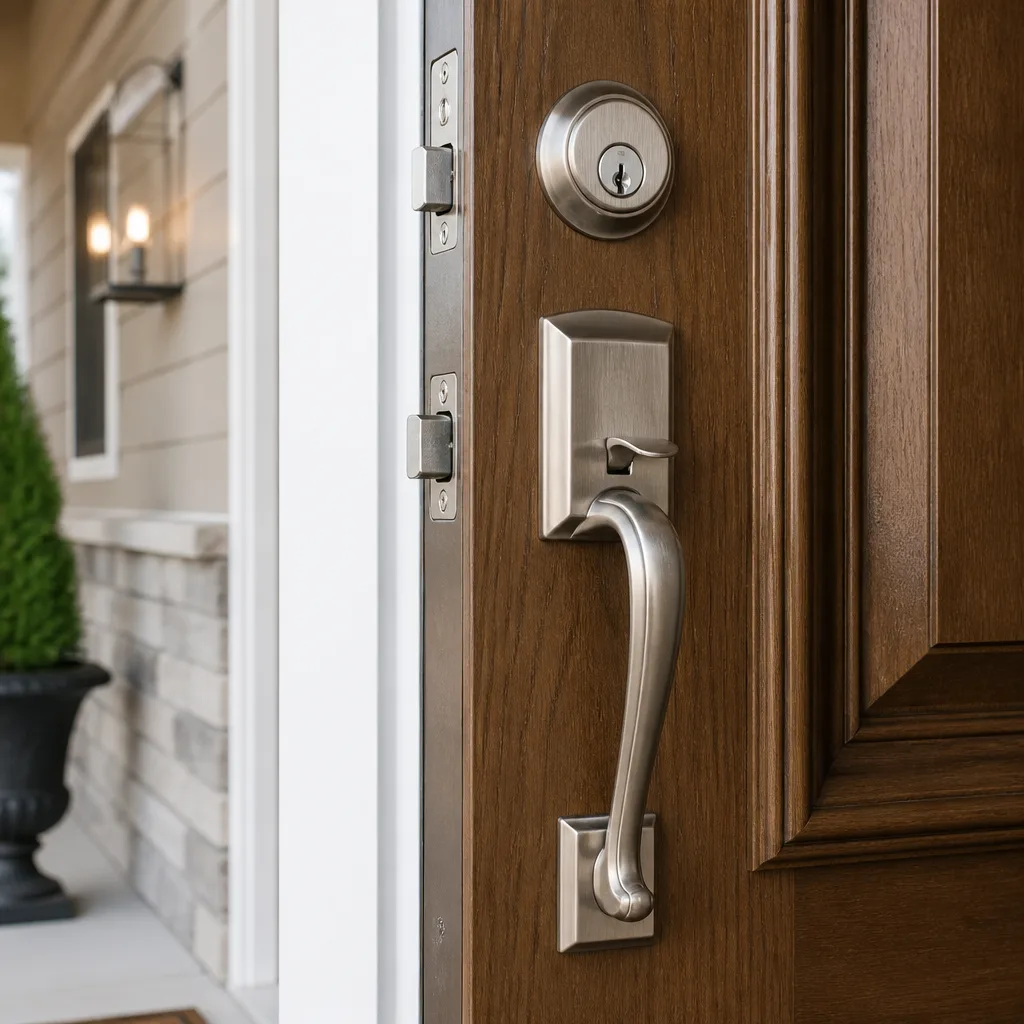
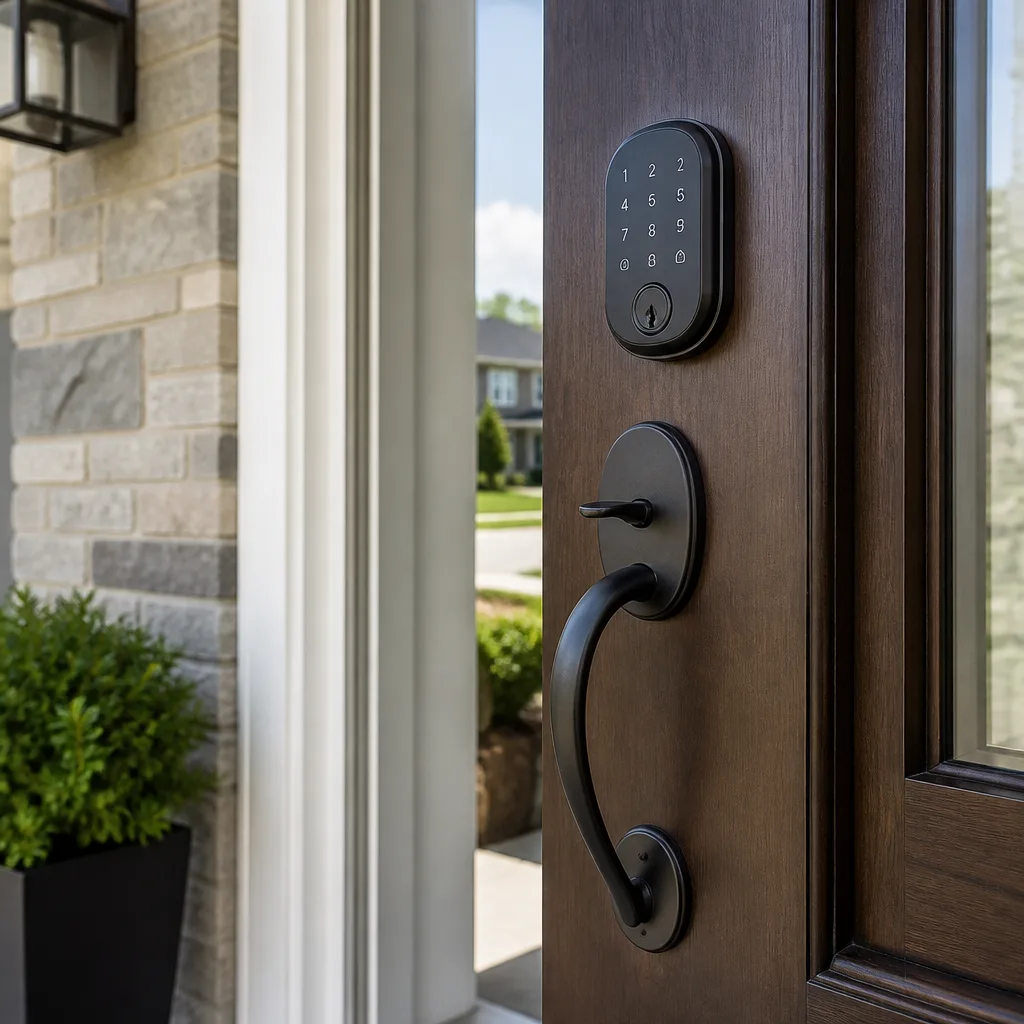
DIY vs Professional Access Control Systems: What’s Safe to Do Yourself
Here’s something most access control guides won’t tell you: the hardware in a DIY kit is rarely the problem. A $40 Wi-Fi deadbolt from a big-box store and a $400 commercial keypad both contain remarkably similar electronics. What separates them is the installation decisions you can’t see in an unboxing video: the depth of the strike plate recess, whether the lock defaults to locked or unlocked when the power fails, and whether the wiring you’re about to run through a fire-rated wall meets the Los Angeles building code. This guide walks you through exactly where the DIY-safe line sits, what a California homeowner can legally do themselves, and where a licensed contractor stops being a suggestion and becomes a requirement. For related reading, see our DIY vs Professional Locksmith: The Los Angeles Homeowner’s Decision Guide.
Quick Answer
DIY access control is safe for battery-powered smart locks, app setup, and credential programming on standard residential doors. Anything hardwired (electric strikes, maglocks, access control panels pulling line voltage), anything on a fire-rated door, or anything that requires modifying your home’s electrical system should be installed by a licensed professional, both for code compliance and because a wrong fail-safe configuration on an access-controlled exit can create a fire code violation in Los Angeles that your homeowner’s insurance may not cover.
Table of Contents
- The Real Line Between DIY and Pro Isn’t Skill, It’s Consequence
- Fail-Safe vs. Fail-Secure: The Fire Code Decision Most DIY Kits Ignore
- What’s Genuinely Safe to DIY
- What Requires a Professional in California
- The Insurance and Permit Angle Nobody Mentions
- The Honest Cost Comparison, Including Hidden DIY Expenses
- Common Mistakes to Avoid
- When to Call a Professional
- Frequently Asked Questions
- The Bottom Line
The Real Line Between DIY and Pro Isn’t Skill, It’s Consequence
A homeowner who can replace a kitchen faucet can install a battery-powered smart lock. That’s not a controversial statement, and most honest locksmiths in Los Angeles would agree with it. The hardware manufacturers have spent a decade making residential smart locks genuinely approachable: the templates are printed, the instructions are legible, and the app walks you through pairing. If you drill the holes straight and the door closes squarely, you’ll probably end up with a working lock.
But access control isn’t one product category. It’s a spectrum. On one end, you have a battery-operated deadbolt with a keypad that’s honestly closer to a gadget than a security system. On the other end, you have a wired access control panel managing multiple doors, power supplies, request-to-exit sensors, and possibly maglocks or electric strikes. The failure modes are completely different. A misaligned smart lock means you fiddle with the latch. A misconfigured electric strike on a commercial storefront in downtown Los Angeles means the fire marshal writes a citation, the building owner gets a letter from their insurer, and someone is paying to tear out and redo the installation.
We’ve had homeowners in Los Angeles ask us to take over failed DIY wired installations that started with a YouTube video and a voltmeter. Some were salvageable. Others required pulling wire out of walls and starting over because the original installer never labeled circuits, never documented the power supply location, and didn’t know the difference between 12V and 24V hardware until something stopped working.
So the line isn’t “are you handy enough.” It’s “what happens if this fails, and whose problem is the failure.” For battery-powered residential locks, the worst case is usually a lock that needs replacing. For wired access control, the worst case can be a fire exit that doesn’t release, a door that opens for anyone during a power outage, or an insurance claim denied because the policy specifically excludes unpermitted electrical modifications. Once you frame it that way, the DIY questions get much easier to answer.
Fail-Safe vs. Fail-Secure: The Fire Code Decision Most DIY Kits Ignore
This is the single most important concept in access control that almost no DIY guide explains properly. When you install an electric strike or a maglock, you have to decide what happens when the power goes out. The choice determines whether your access-controlled door is a functional exit during a fire or a locked box with a badge reader on it.
Fail-safe means the door unlocks when power is cut. The electric strike releases, the maglock de-energizes, and the door opens with a push. Fail-safe hardware is required on any door that serves as a fire exit or emergency egress path. In Los Angeles, the fire code (which incorporates California Building Code Chapter 10) is explicit: doors in the path of egress must release freely without special knowledge, key, or tool when the fire alarm activates or power fails. If you install fail-secure hardware on a fire-rated exit door, you haven’t made a style choice. You’ve created a life-safety violation.
Fail-secure means the door stays locked when power is cut. That’s the right choice for a server room, a pharmacy storage closet, a cash-counting office, or any door where the bigger risk is unauthorized entry during a power outage. Fail-secure keeps the hardware locked, and the door is typically opened mechanically from the inside with a lever or push bar.
The problem is that this distinction isn’t always obvious from the hardware you buy. A $90 electric strike kit from an online retailer won’t tell you to check whether the door you’re installing it on is fire-rated or in an egress path. The kit assumes you know. Most homeowners don’t, and they shouldn’t be expected to. That’s the gap where a professional installer earns their fee: we check the door’s fire rating, confirm the egress path, verify the hardware is listed for the door type, and wire the configuration to match. Learn more about our Access Control Systems services. If that sounds like overkill, consider what a Los Angeles fire inspector does when they notice an electric strike on a labeled fire door during an annual inspection. They don’t ask who installed it. They write the citation, and you get to fix it.
Our Access Control Systems in Los Angeles team handles fail-safe and fail-secure configuration on every install because it’s not a preference call. It’s a code determination.
What’s Genuinely Safe to DIY
We’re not here to scare you off every project. There are several access control tasks a capable homeowner can absolutely handle without legal or safety risk. These are tasks where the failure consequence is low, the tools are basic, and the manufacturer’s instructions are sufficient.
1. Battery-Powered Smart Lock Installation on a Standard Door
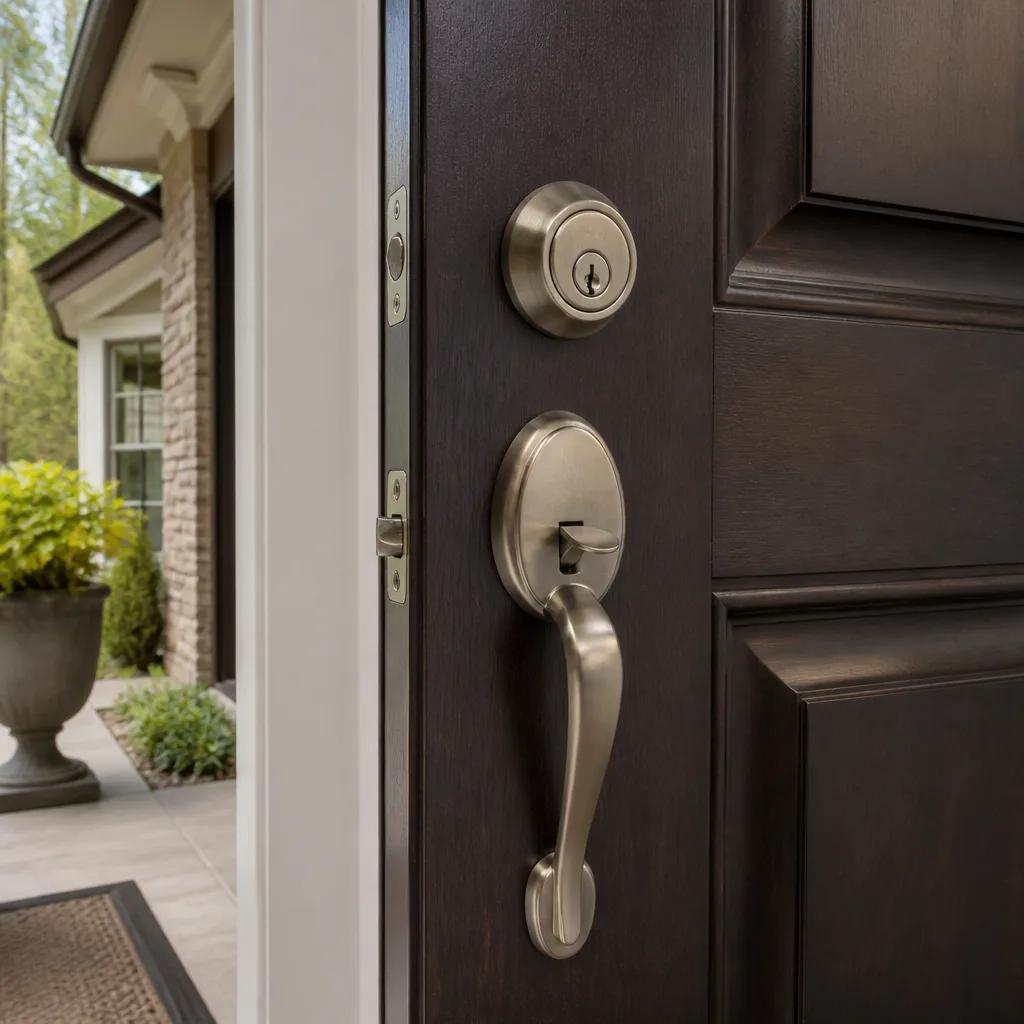
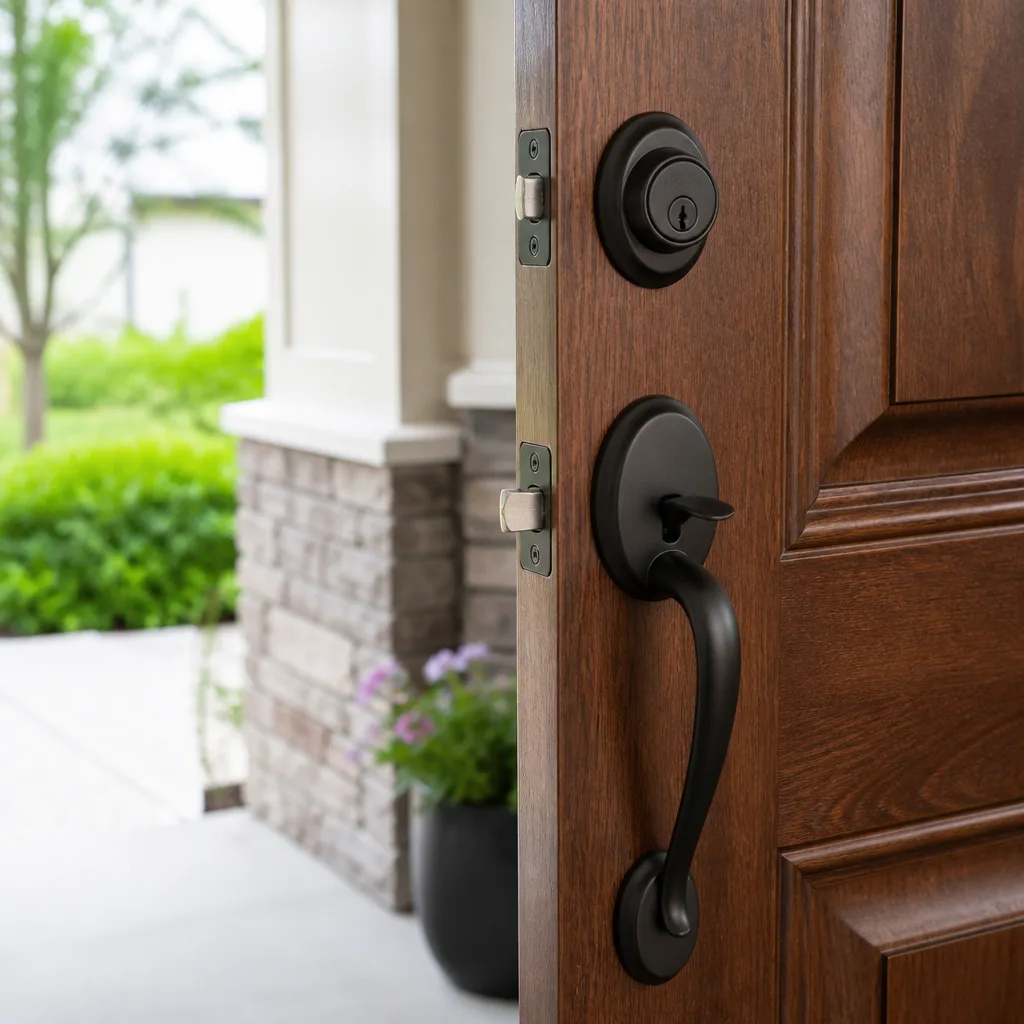
If you have a standard 1-3/4″ thick residential door with a bore and deadbolt prep already in place, a battery-powered smart lock from a reputable brand installs in about 30 to 60 minutes with a Phillips screwdriver. You’re not cutting new holes, you’re not running wire, and the lock runs on AA batteries that last 6 to 12 months depending on the brand and climate. In Los Angeles, the biggest practical consideration is sun exposure on west-facing doors. Direct afternoon heat can eat batteries faster than the manufacturer’s estimate, and we’ve seen keypads with warped plastic from months of direct sun.
2. App Setup and Credential Programming
Pairing the lock with your phone, creating user codes, setting schedules for a house cleaner or dog walker, and revoking access are all entirely within a homeowner’s wheelhouse. The apps have gotten genuinely intuitive. If you can set a thermostat schedule, you can manage user codes on a smart lock. Brands like Schlage and Kwikset have consumer apps that handle this well, and there’s no professional required for ongoing user management.
3. Battery Replacement and Minor Maintenance
Smart locks tell you when batteries are low, and replacing them is a five-minute task. You’ll also want to periodically check that the strike plate screws are still tight, especially on doors that get heavy daily use. In older Los Angeles homes with softer redwood or fir door frames, strike plate screws have a tendency to loosen over time. Replacing them with longer 3-inch screws that bite into the 2×4 framing behind the jamb is a legitimate DIY upgrade that improves security, though you’ll want to check that pre-drilling isn’t required to avoid splitting the frame.
4. Basic Keypad Installation on a Non-Fire-Rated Door
If you’re installing a standalone keypad that controls a battery-powered latch or deadbolt on a regular residential door, that’s functionally identical to a smart lock install. No wire, no code issue, no problem. The keypad is just a credential interface. Where this gets tricky is when the keypad starts controlling an electrified strike or a buzzer-release system, at which point you’ve crossed into the wired category.
For anything in this list, the manufacturer’s documentation is genuinely adequate, the worst failure mode is a lock that doesn’t work, and the rework cost if you do it wrong is measured in time, not building code violations.
What Requires a Professional in California
Now the other side of the line. These are the access control tasks where a homeowner shouldn’t be touching the hardware, regardless of how confident they are with a multimeter.
1. Any Hardwired Access Control That Connects to Building Power
In California, electrical work that involves connecting to a building’s electrical system falls under the state’s contractor licensing rules. Access control panels, power supplies, maglocks, and electric strikes that pull line voltage (120V) to power low-voltage hardware generally require a licensed C-10 electrical contractor, or a locksmith working under a proper contractor’s license classification, to perform the connection legally. The distinction matters: a battery-powered smart lock isn’t electrical work. A hardwired access control panel fed by a transformer inside a wall is. If the work is in a commercial building in Los Angeles, the city’s Department of Building and Safety also wants to see permits for new low-voltage circuits in many cases.
2. Maglocks (Electromagnetic Locks) on Any Door
Maglocks deserve their own category because they’re deceptively simple. A maglock is just an electromagnet and an armature plate, and the wiring is often just two conductors to a power supply. But a maglock that’s not integrated with the fire alarm system, doesn’t have a proper request-to-exit sensor, and doesn’t fail safe on alarm is a genuine life-safety hazard. Maglock installs on commercial doors in Los Angeles are inspected for a reason. We’ve also seen residential and small-office maglock installs where the power supply wasn’t on a properly protected circuit, which is both a code issue and a potential fire risk.
3. Electric Strikes, Especially on Fire-Rated or Steel Frame Doors
An electric strike installation means cutting metal. In a wood residential frame, a homeowner with a router, a template, and patience might get it done. In a steel commercial frame, you’re cutting hardened steel with a grinder or hiring a core drill, and if you get the recess 1/8″ too deep or shallow, the strike doesn’t seat correctly and either the door won’t latch or the strike jams. Then there’s the fire-rating issue we covered earlier. In Los Angeles commercial buildings, electric strikes on labeled fire doors must be listed for fire door use. A generic strike from an online supply house usually isn’t.
4. Multi-Door Systems with a Central Controller
If the project involves more than one controlled door, a central access control panel, software to manage credentials, and network connectivity, you’re past the point where any reasonable person would call it DIY. These systems need proper power budgeting (you can’t just daisy-chain strikes off one undersized transformer), wire gauge planning, and documentation. When a commercial client in Los Angeles has a multi-door access system that wasn’t documented by the original installer, troubleshooting it takes two to three times as long. The labor to untangle an undocumented system often costs more than the original installation would have if done properly.
For these projects, a professional access control installer handles the load calculations, the fire code compliance, the permit coordination, and the documentation. It’s not gatekeeping. It’s that the failure consequence justifies the expertise.
The Insurance and Permit Angle Nobody Mentions
Here’s a scenario we’ve watched play out more than once in the Los Angeles area. A homeowner installs a wired access control system or an electric strike themselves, no permit, no inspection. It works fine for a year. Then a break-in happens. The insurance adjuster shows up, takes photos, and starts asking questions about the door hardware. The discovery that the access control system was installed without a permit and without a licensed contractor gives the insurer a coverage exclusion to point to. The claim gets denied or reduced, and the homeowner is out a lot more than the cost of a professional install would have been.
This isn’t theoretical. Standard California homeowner’s insurance policies include language about permitted and licensed work, and insurance companies look for exclusions when they’re facing a payout. Unpermitted electrical modifications are a well-established coverage issue. It doesn’t matter how clean your soldering joints are.
The permit angle varies by jurisdiction. In the City of Los Angeles, low-voltage wiring for security and access systems typically requires a permit when it’s part of new construction or substantial remodel, and the requirements tighten for commercial occupancies. In some cases, even a retrofit access control install in a commercial building should go through plan check. The average homeowner doesn’t know the local permit thresholds, and that’s not a knock on the homeowner. It’s an acknowledgment that the permitting landscape isn’t designed to be navigated by civilians.
When you hire a licensed professional, the permit question becomes their responsibility. If a permit is required, a legitimate contractor or locksmith company will tell you up front and include it in the written scope. If someone tells you a permit isn’t needed when it actually is, you’re not hiring someone who knows the Los Angeles market.
The Honest Cost Comparison, Including Hidden DIY Expenses
Every cost comparison for DIY vs Professional Commercial Locksmith: What’s Safe to Do Yourself starts with the hardware price and ends with the hardware price. That’s not a comparison. That’s a hardware price. The real comparison includes what happens when the install doesn’t go according to the unboxing video.
Let’s use realistic Los Angeles numbers. A battery-powered smart lock runs $150 to $300 for a quality unit from Schlage or a comparable brand. You install it yourself in an afternoon, it works, and you’re done. That’s a legitimate win for DIY, and we’d be dishonest to pretend otherwise. If a homeowner is capable, a battery-powered lock is a good DIY candidate.
Now the wired side. A basic single-door access control kit with a keypad, electric strike, power supply, and push-to-exit button runs $250 to $500 online. Here’s what the marketing doesn’t show you:
- Rework after a wiring mistake: If you mis-wire the power supply and fry the controller, that’s another $100 to $200 for a replacement board, plus the afternoon you already lost. If you undersize the transformer and the strike doesn’t have enough current to release under load, the troubleshooting time might be 4 to 6 hours for a first-timer.
- Door frame damage from an awkwardly cut strike recess: We’ve seen homeowners ruin a solid-core wood door jamb with a router because the template slipped. Replacing a door jamb in a Los Angeles home costs $300 to $600 for the material and labor, and if the door is in an older house with non-standard dimensions, it can run higher.
- Troubleshooting time on an undocumented install: If you install a system and it fails a year later, and you’ve since forgotten which conductor goes where, you’re paying a professional an hourly rate just to reverse-engineer your own wiring. In Los Angeles, access control service calls run $95 to $150 per hour, and troubleshooting an undocumented system takes longer than a documented one. The math speaks for itself.
- Permit correction: If an unpermitted wired install gets flagged during a home sale inspection or an insurance claim, the correction cost includes the permit fee, the inspection, and the licensed contractor time to bring it to code. That can turn a $400 DIY project into a $1,500 to $3,000 correction.
Professional installation of a single wired access control door in Los Angeles typically runs $600 to $1,200 depending on the door type, the hardware selected, and whether a permit is required. Multi-door systems scale from there. That price includes the planning, the correct hardware selection, code compliance, and typically a written guarantee on the work. Viewed purely through the hardware price, DIY looks cheaper. Viewed through the total cost of a failure, the professional install frequently costs less.
Common Mistakes to Avoid
- Choosing fail-secure for an egress door because “the tutorial said so.” The tutorial doesn’t know your building’s fire code obligations. An access-controlled door on a fire egress path in Los Angeles must unlock on power loss and fire alarm, and the hardware must be listed for that use.
- Install the strike before understanding door frame construction. A wood jamb in a 1920s Los Angeles bungalow behaves very differently under a router than a hollow metal frame in a Mid-Wilshire office building. Different tools, different templates, different risk.
- Running wire through fire-rated walls without firestopping. Penetrating a fire-rated wall for access control wiring creates a breach that must be sealed with an approved firestop assembly. Ignoring this detail is how you fail a fire inspection and potentially create a smoke path during a real fire.
- Buying hardware that doesn’t match the existing locking system’s voltage. 12V strikes and 24V strikes both exist, and wiring a 12V strike to a 24V power supply burns it out quickly. This is a $40 to $100 mistake that’s completely avoidable with a multimeter and a spec sheet.
- Underestimating the battery life of smart locks on south-facing Los Angeles doors and never checking them. When the battery dies, the lock defaults to whatever state it was in. If that’s “locked” and you don’t have a mechanical key with you, you’re calling us anyway.
- Assuming a smart lock is a deadbolt replacement when it’s actually a latch replacement. Some access control hardware replaces the latch, not the deadbolt, and the physical security profile is different. Know what you’re getting on the door.
- Ignoring the power supply location until the system is already daisy-chained. Every strike and maglock pulls current, and the power supply has a limit. Homeowners in Los Angeles who learn this lesson by tripping breakers or discovering a dead controller at 10 p.m. could have avoided it with a simple load calculation.
When to Call a Professional
Call a professional when the door is fire-rated or in an egress path, when the project involves maglocks or electric strikes, when the system needs to connect to building power, or when there’s more than one controlled door in play. Also call when the building is commercial; Los Angeles commercial occupancies face fire and building code requirements that don’t apply in the same way to a single-family home. If you’ve already started a wired project and hit a wall, it’s cheaper to call before you cause damage than after. Loxley Locksmith & Security offers free estimates for access control work in Los Angeles. Call (682) 281-8985 and we’ll give you a written price before any work starts.
Frequently Asked Questions
Yes. Battery-powered smart locks that don’t connect to building electrical systems are legal for a homeowner to install without a permit in California, and that’s true whether you’re in Los Angeles, Sacramento, or anywhere else in the state. The legal question only arises with hardwired access control that connects to building power, and that’s where a licensed contractor enters the picture.
Fail-safe means the door unlocks when power is lost; fail-secure means the door stays locked when power is lost. Fire egress doors in Los Angeles must be fail-safe so people can exit during a fire or power outage. Doors protecting valuables or restricted areas are often fail-secure so a power cut doesn’t grant access.
For battery-powered smart locks, the answer is generally yes; the install method doesn’t typically create a coverage issue. For hardwired access control installed without a permit by an unlicensed person, the answer can be no. Insurers look for unpermitted electrical work as a basis for claim reduction or denial, especially after a burglary loss.
A single-door wired access control installation in Los Angeles typically runs $600 to $1,200, including hardware selection, installation, and configuration. Multi-door systems with central controllers scale upwards based on door count and complexity. The price includes code compliance and typically a written workmanship guarantee, which you don’t get from a self-install. Call (682) 281-8985 for an exact quote for your building, free of charge.
Yes. That’s how we work at Loxley Locksmith & Security, and it’s written into the Kingswell standard we’re held to. We provide a written price before any work starts, and the number on the phone is the number on the invoice. If extra work is required that wasn’t visible during the initial assessment, we stop and give you a new written price before proceeding. There’s no price that changes at the door. If you’ve hired locksmiths in Los Angeles before and been burned by bait pricing, we handle it deliberately differently.
In many retrofit cases on single-family homes, a low-voltage electric strike installation doesn’t require a separate electrical permit if a licensed contractor performs the work and the power supply connects to an existing properly rated circuit. But the moment the work enters a commercial building, a fire-rated door, or new wall construction, permit requirements become likely. A licensed professional will tell you what applies to your specific situation rather than offering a one-size-fits-all guess.
The Bottom Line
The DIY-vs-professional question for access control isn’t about whether you’re handy. For more guides & resources on security topics, visit our blog. It’s about what breaks if you’re wrong. Battery-powered smart locks are a legitimate DIY project for most homeowners, and the cost savings are real. Hardwired access control involves fire code, electrical work, permit requirements, and failure modes that can hurt people or cost more than the original installation to correct. In Los Angeles, with its specific fire code enforcement, earthquake-driven building standards, and insurance market, the line is firmer than it is in most places. If it runs on batteries and sits on a standard door, go ahead. If it runs on wires and controls a fire-rated opening, call a pro who will put the price and the guarantee in writing.
Written by Sam Rourke, Owner at Loxley Locksmith & Security, serving Los Angeles since 2007.