
Last updated October 8, 2026
Non-destructive entry first, always - and we re-key Schlage, Kwikset, and Baldwin locks on the spot while you watch
You get a price before we start. It does not change when we arrive. No surprises.
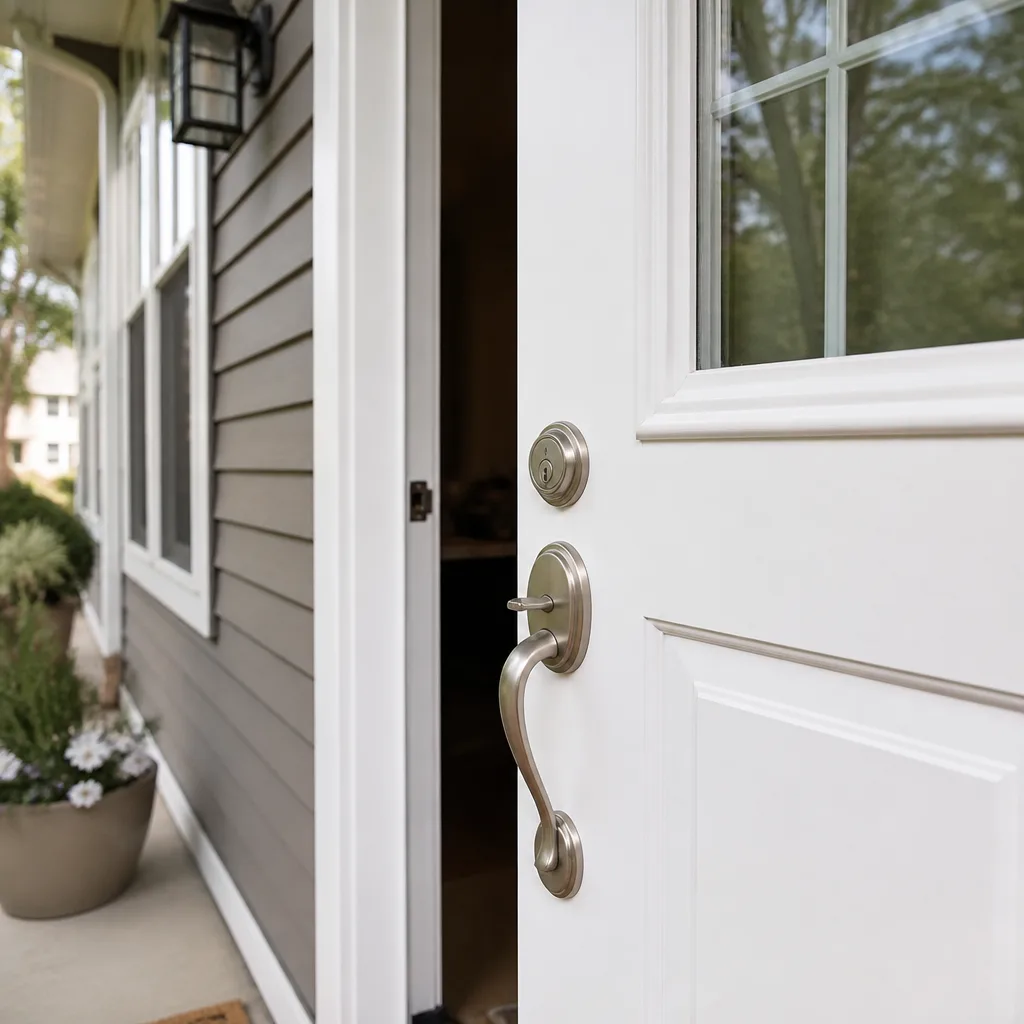
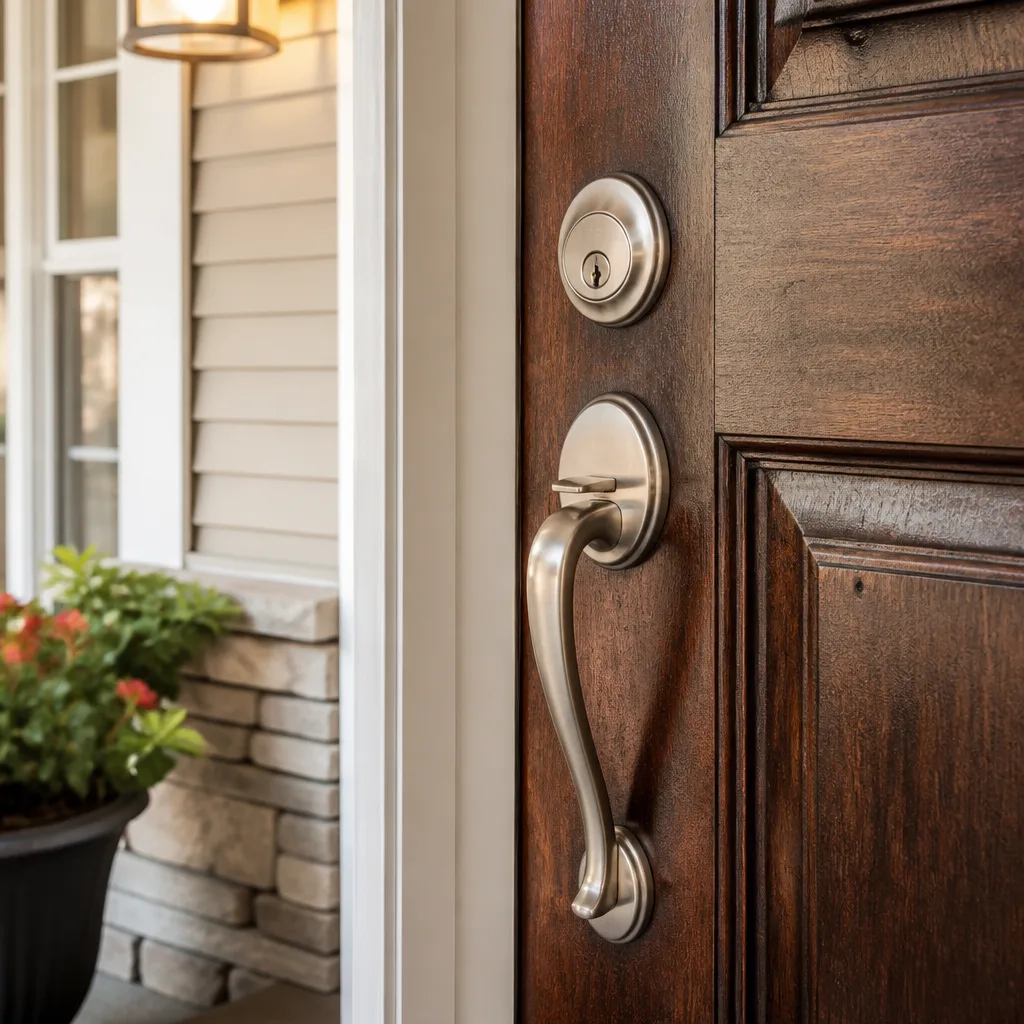
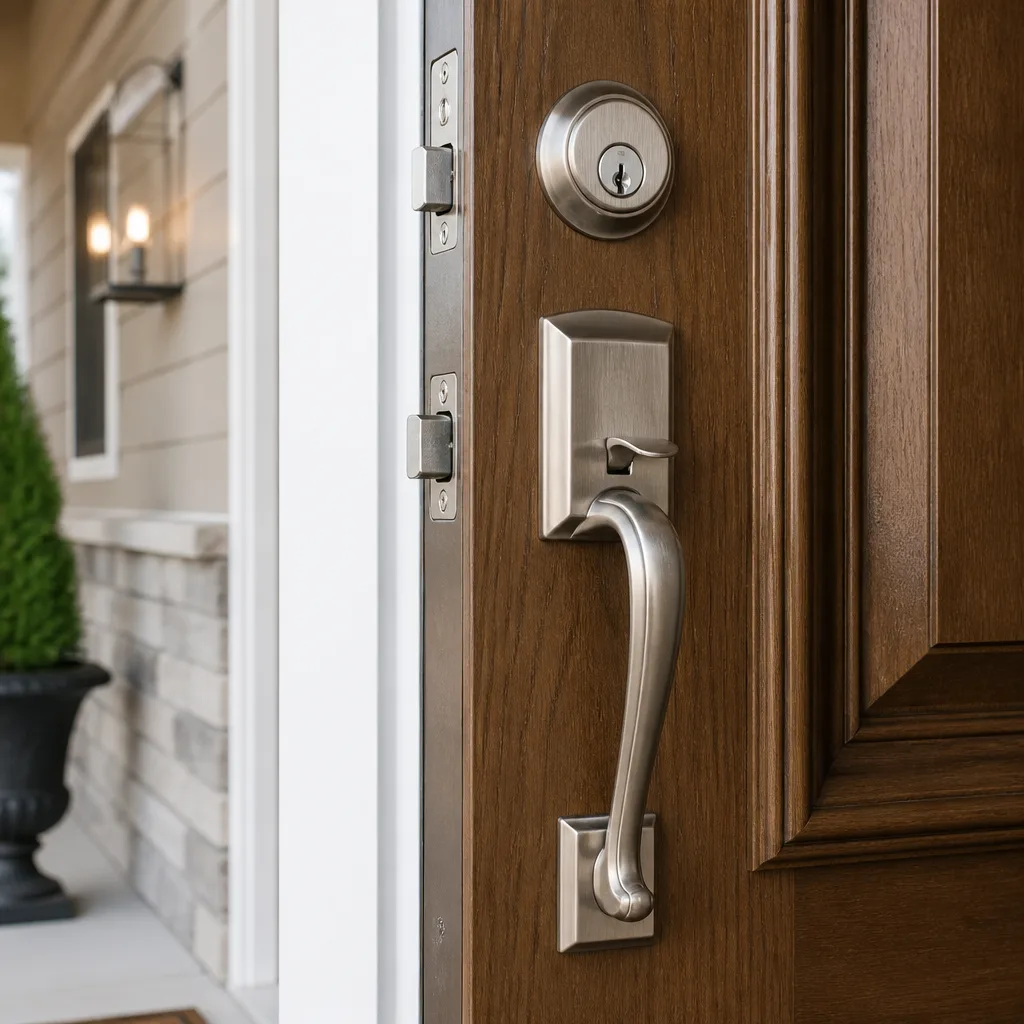
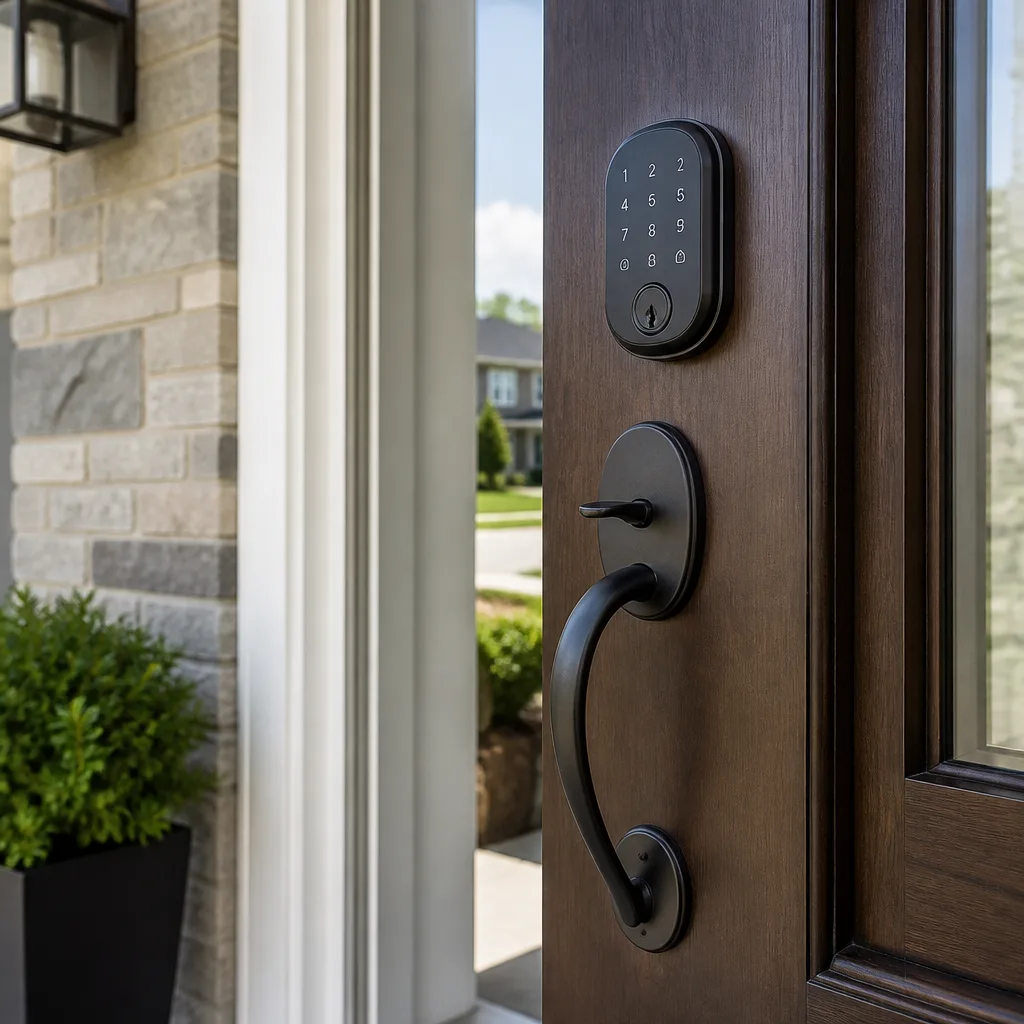
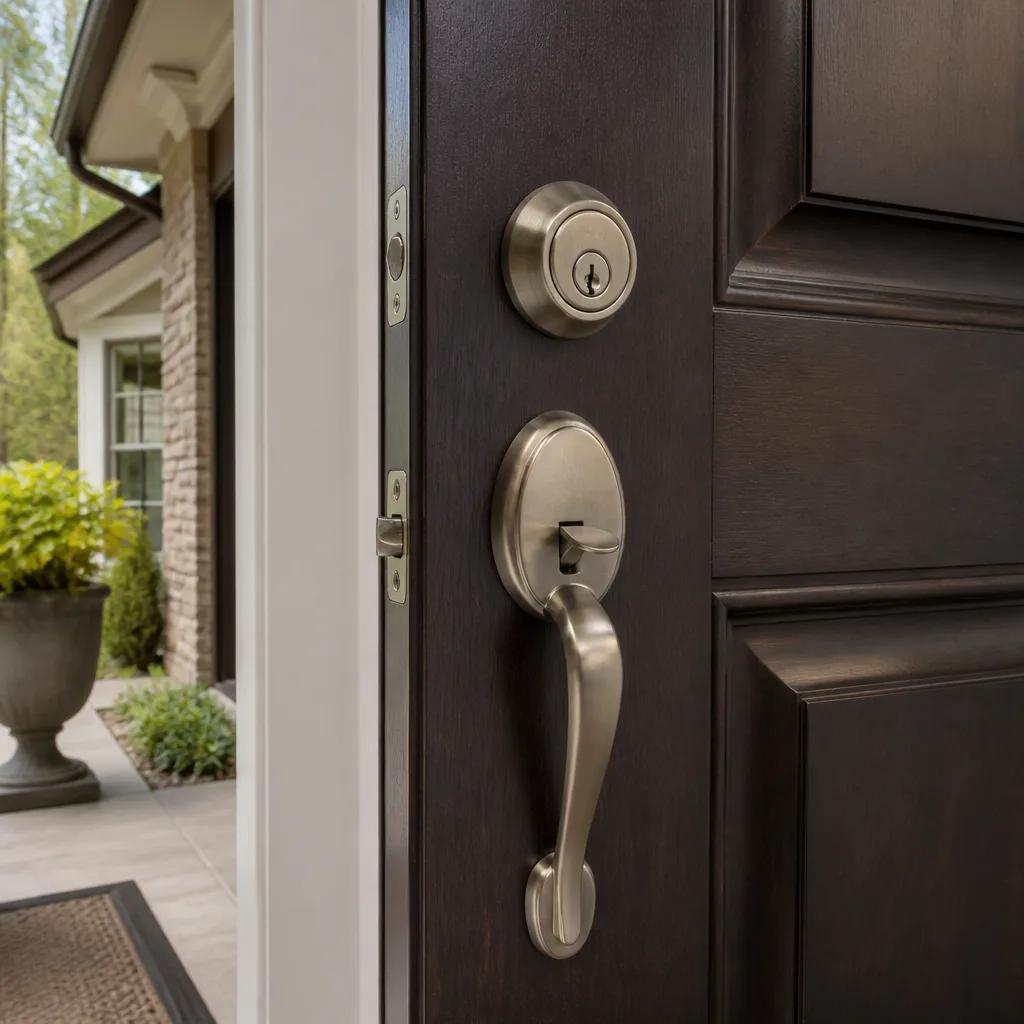
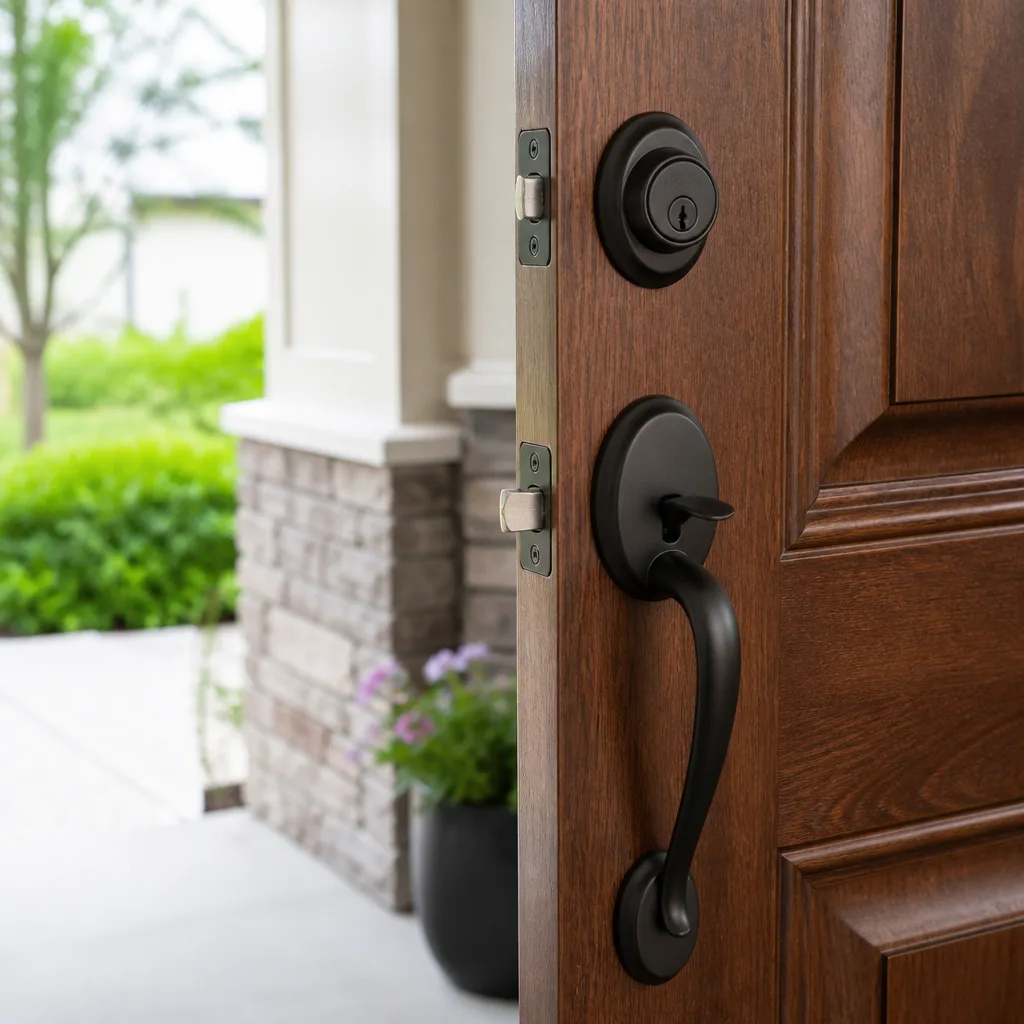
How Long Does Access Control Systems Take? Timelines and What to Expect
The installer who quotes you “a few hours” for a whole-home Access Control Systems services project is either planning a wireless-only install with real limitations, or they’re going to be back three more times to finish the job. Access control is not a single trade with a single clock. It’s door hardware, low-voltage wiring, power supply, credential programming, and end-user training bundled into one project. In Los Angeles, where homes range from 1920s Spanish bungalows in Highland Park to glass-walled new builds in Mar Vista, the wall construction alone can double or triple the labor. This guide breaks down what actually takes time, why the testing phase matters more than the mounting phase, and how to tell whether a quoted timeline is honest or aspirational.
Quick Answer
A single wireless keypad or smart lock on a standard door takes about 1 to 2 hours from box to working credential. A four-door wired access control system with a gate or electric strike typically takes 2 to 3 working days across hardware install, wiring, programming, and testing. The single biggest variable is whether the walls are already open or whether cable has to be fished through finished drywall.
Table of Contents
- Tiered Timelines: What Each Scope Actually Involves
- The Hidden Time That Expands Your Install
- What the Testing Phase Actually Involves
- Scheduling Reality for Wired Installs in Los Angeles
- Questions to Ask Any Installer Before You Sign
- Wireless vs. Wired: The Timeline Tradeoff
- Commercial Access Control Timelines
- Common Mistakes to Avoid
- When to Call a Professional
- Frequently Asked Questions
Tiered Timelines: What Each Scope Actually Involves
Access control installs do not scale linearly. Adding a second door does not necessarily double the time. But moving from wireless to wired, or adding a gate, changes the job category entirely. Here is what we tell homeowners in Los Angeles when they ask for a realistic range.
Single Wireless Keypad or Smart Lock: 1 to 2 Hours
This is the entry point. A battery-powered keypad or a Schlage Encode-style smart lock on one door. The hardware mounts in place of the existing deadbolt or lever, and programming usually happens through a phone app or a keypad code sequence.
- Mounting: 30 to 45 minutes, assuming the existing door prep is standard.
- Programming: 15 to 30 minutes for basic codes and app pairing.
- User walkthrough: 10 to 15 minutes so you understand how to add and remove codes.
This is the only access control job that a competent technician can reasonably complete in one short visit. If you have a pre-existing deadbolt with standard 2-1/8-inch bore and a 1-inch edge bore, it’s straightforward. If the door is an older Baldwin mortise lock or a non-standard bore, add 30 to 60 minutes for adaptation.
Multi-Door Wireless System (2 to 4 Doors): Half Day to Full Day
Wireless systems with a central hub or app-managed credentials across two to four doors. Common in Los Angeles homes with a main entry, a side door, and a detached garage or ADU. The hardware itself mounts quickly, but the programming scope expands sharply.
- Hub placement and network setup: 30 to 60 minutes, including Wi-Fi or PoE connection to the hub.
- Per-door mounting: 20 to 40 minutes per door.
- Credential mapping: 45 to 90 minutes. Each credential (key fob, phone, code) must be mapped to each door it should open, and tested against doors it should not open.
- Battery and range testing: 20 to 30 minutes to verify signal integrity through walls, especially in stucco homes common across Los Angeles.
A four-door wireless system is usually a full day. Not because the mounting is hard, but because the credential matrix and range testing take real time. Any installer who says two hours for four doors is either skipping the testing phase or using a single shared code for every door, which is not access control, it’s a keypad with extra steps.
Single Wired Door with Electric Strike: 4 to 8 Hours
When you move to a wired door with an electric strike, the job changes. You are now running low-voltage cable from the door to a controller or power supply, and the strike itself has to be cut into or mounted to the door frame. In Los Angeles, homes with steel frames or metal jambs in mid-century apartment conversions add drilling and mounting time.
- Cable run: 1 to 3 hours depending on wall construction and distance from the controller.
- Strike installation: 1 to 2 hours including frame modification and alignment.
- Controller mounting and power: 30 to 60 minutes.
- Programming and testing: 1 to 2 hours.
A single wired door is typically a one-day job, but it consumes most of the day. It also requires a dedicated power source, which in older Los Angeles homes can mean coordinating with an electrician if there is no available outlet near the door.
Multi-Door Wired System with Gate: 2 to 3 Days
This is the ceiling of residential access control. Multiple wired doors, a controller, power supply, possibly an electric gate, and often an intercom or video entry component. This is common in Los Angeles hillside homes where a driveway gate is the first line of access and the front door is the second.
- Day 1: Cable pulls, controller mounting, power supply installation.
- Day 2: Door hardware, electric strikes, gate integration, credential programming.
- Day 3: Full system testing, user training, documentation.
The gate adds real time. Gate operators have their own control boards, safety sensors, and power requirements. Integrating a gate with a door access system means both systems must agree on credential timing, fail-safe behavior, and audit logging. It is not uncommon for a gate integration alone to consume half a day of troubleshooting in Los Angeles hillside installs where the gate is 200 feet from the house.
The Hidden Time That Expands Your Install
Most homeowners get surprised not by the hardware, but by the infrastructure underneath it. The visible work, mounting a reader or keypad, is the fast part. The invisible work is what eats the clock.
Fishing Wire Through Finished Walls
Los Angeles has every wall type you can imagine. Lath and plaster in Hancock Park and West Adams pre-war homes. Stucco over wood frame in the Valley. Concrete block in some hillside construction. Fishing low-voltage cable through finished walls is slow, careful work. A straight run of 20 feet might take 40 minutes through open attic space or 3 hours through plaster walls with fire blocks. The wall does not care about your schedule.
Coordinating a Dedicated Circuit
Wired access control needs clean, dedicated power. Not an extension cord, not a shared outlet that also runs a refrigerator. In many Los Angeles homes, the door location has no nearby outlet at all. That means an electrician runs a new circuit, which adds an entirely separate trade and an entirely separate calendar day. We work with trusted electricians across Los Angeles, but the coordination is real time, not a rounding error.
Programming Every Credential Combination
Access control is a logic problem before it is a hardware problem. Every credential must be mapped against every door it should and should not open. If you have 4 doors and 12 credentials, that is 48 combinations to test. If those credentials include tenant codes, contractor codes, and temporary codes, the matrix expands. We do this methodically, because a contractor code that opens your bedroom door is not a programming detail, it’s a security failure.
What the Testing Phase Actually Involves
The testing phase is the most skipped and most important part of any access control install. It is also the most common reason installers get called back within 30 days. Here is what real testing looks like, step by step.
- Credential isolation test: We test each credential against each door it should open and each door it should not. A code that works on the front door must fail on the side door unless you authorized it for both.
- Fail-safe and fail-secure verification: If power drops, does the door fail locked or unlocked? For fire-rated exit doors in Los Angeles commercial buildings, this is a code requirement, not a preference. For residential, it is a safety decision we walk you through.
- Request-to-exit testing: The door must open from the inside without a credential, every time, with no delay. This is a life-safety issue, not a convenience.
- Signal and range testing on wireless components: We walk the property with the credential and verify reads from every approach angle.
- Audit log verification: We confirm the system is logging events and that you can see who opened which door and when.
- Battery backup testing: If there is a backup battery, we pull line power and confirm the system stays up.
This testing phase typically takes 1 to 2 hours on a multi-door system. If an installer tells you the whole job is done and the testing window is 10 minutes, the testing is not being done. That is the call-back waiting to happen.
Scheduling Reality for Wired Installs in Los Angeles
Labor hours and calendar days are different things. A wired access control install might be 10 labor hours spread across 5 calendar days. In Los Angeles, the gap between the two is driven by permits, inspections, and trade coordination.
Certain wired access control work on commercial properties requires permits and inspections from the Los Angeles Department of Building and Safety. Door hardware on fire-rated assemblies, electric strike installation on exit doors, and any modification to door frames can trigger a plan check and a field inspection. That is calendar time no installer can compress.
Residential installs are less regulated, but the coordination still exists. If you need a new circuit, the electrician has their own schedule. If you are in a hillside neighborhood with a gate operator, the gate manufacturer may need to provide a specific control board integration. We have seen a perfectly good access control install in Los Angeles wait 10 days for an inspection slot, and that wait had nothing to do with the quality of the hardware or the technician.
When we quote a timeline for a wired install in Los Angeles, we quote in calendar days, not labor hours. It is the only honest way to do it.
Questions to Ask Any Installer Before You Sign
These questions, asked before you agree to a quote, will reveal whether a timeline is realistic or aspirational. We answer all of these in writing, and you should expect any installer in Los Angeles to do the same.
- “Is this a wireless or wired system?” If the answer is wireless, ask what happens when the battery dies and whether the system still logs events. If wired, ask whether the cable is included or whether the quote assumes open walls.
- “Does your timeline include the testing phase?” If the installer cannot describe what testing looks like, the testing is not in the quote.
- “Who is providing power to the controller?” If the answer is “you probably have an outlet nearby,” ask for the dedicated circuit that a wired system actually needs.
- “Are permits required for this install?” On commercial work in Los Angeles, the answer is often yes. If an installer says no without asking about the building type, be skeptical.
- “What is your call-back policy if the system fails within 30 days?” We cover every install with a written guarantee. If the answer is a shrug, find another installer.
Wireless vs. Wired: The Timeline Tradeoff
The fastest install is not always the right install. Wireless systems go in quickly, but they trade reliability and capability for speed. Wired systems take longer, but they do not depend on battery condition, Wi-Fi signal strength, or the whims of a firmware update.
In Los Angeles, we install both. A wireless Schlage or Kwikset keypad is the right call for a single door where speed and simplicity matter. A wired system with a controller and electric strikes is the right call for a multi-door property where audit logs, power reliability, and credential control actually matter. The timeline difference is real: a wireless four-door system is a day. A wired four-door system is two to three. The decision is not about which is faster, it is about which fails in a way you can live with.
We staff technicians trained on both. We will not push you toward a wired system if a wireless one serves the need, and we will not let you believe a wireless system can do what a wired one does.
Commercial Access Control Timelines
Commercial access control in Los Angeles is a different animal from residential. The hardware is often the same, from Medeco, Abloy, or Sargent, but the environment is different. Fire-rated doors, exit hardware, ADA compliance, and building codes all constrain what can be installed and how long it takes.
A typical commercial install in a Los Angeles office suite, four doors with a controller and credentials for 25 staff, runs 3 to 5 working days; for residential projects, see our guide on How Long Does Residential Locksmith Take? Timelines and What to Expect. That includes the plan review conversation, hardware mounting, wiring, programming, staff training, and the inspection if one is required. The inspection itself adds calendar time even when it adds no labor hours.
We have done commercial locksmith work in Los Angeles long enough to know that the schedule is set by the building and the city, not by the installer. We quote the calendar, not the labor, and we put the timeline in writing.
For property managers and building owners, our access control systems guide for Los Angeles covers hardware selection, credential options, and what a commercially compliant install requires. For residential work, see our residential locksmith services in Los Angeles.
Common Mistakes to Avoid
- Believing a wireless system is “just as good” as wired. Wireless works, but it has real limits on range, battery dependence, and audit logging. Know the tradeoff before you buy.
- Accepting a timeline without a testing phase. If the installer says “done” without walking you through credential isolation and fail-safe testing, the job is not done.
- Assuming the power situation is covered. Wired systems need dedicated power. If your Los Angeles home has no outlet near the door, that is an electrician’s visit and an extra calendar day.
- Skipping the permit question on commercial work. Los Angeles code applies to commercial door hardware. Ignoring it does not make the project faster, it makes it non-compliant.
- Choosing an installer based on the lowest quote. A low quote on access control usually means something is not included: the testing, the cable, the power, or the permit. We quote the full job in writing, which is why our number sometimes looks higher and always turns out lower.
- Not asking about call-back policy. Every install we do comes with a written guarantee. If the installer cannot state their call-back policy in one sentence, you are the warranty.
When to Call a Professional
Access control is not a DIY project, and the consequences of getting it wrong are worse than a door that will not open. If your system controls a door that is a fire exit, any mistake in fail-safe or fail-secure configuration is a life-safety issue. If the system protects a commercial property in Los Angeles, code compliance is not optional. And if the system manages credentials for tenants, staff, or contractors, a programming error is a security breach, not an inconvenience. Loxley Locksmith & Security offers free estimates on access control installs across Los Angeles. Call (682) 281-8985 and we will give you a written timeline and a written price before any work starts.
Frequently Asked Questions
A single wireless keypad or smart lock takes 1 to 2 hours. A multi-door wired system with a gate typically takes 2 to 3 working days. The timeline depends on whether the install is wireless or wired, how many doors are involved, and whether walls are open or finished. For a specific quote on your property, call (682) 281-8985, and we will give you a written estimate with a written timeline.
Yes. A wireless system with battery-powered keypads and a central hub can be installed in a day or less. A wired system requires cable pulls, a power supply, and controller mounting, which typically adds one to two days. The speed comes with tradeoffs in reliability and features, which we explain before you commit.
A single battery-powered keypad or smart lock on a standard door is the fastest, at 1 to 2 hours. It replaces the existing deadbolt or lever and programs through an app. If the door has standard prep and the existing hardware is in good condition, it is a one-visit job.
For most residential single-door installs, no permit is required. For commercial work on fire-rated doors, exit hardware, or electric strikes, the Los Angeles Department of Building and Safety may require a permit and inspection. We determine this during the estimate and include it in the written scope.
Because calendar time includes coordination with electricians, possible permit inspections, and the testing phase. A wired install might be 10 labor hours spread across 3 calendar days in Los Angeles. We quote in calendar days, not labor hours, so you know what the schedule actually looks like.
Every access control install we do in Los Angeles carries a written guarantee. If the system fails within the guarantee period, we come back and fix it at no charge. That is not a promotion or an upgrade, it is the Kingswell standard and it is in writing on every job. Call (682) 281-8985 for details.
The Bottom Line
Access control timelines range from 2 hours for a single wireless keypad to 3 days for a multi-door wired system with a gate. The spread is driven by infrastructure, not hardware: wire runs, power supply, programming, and testing. The testing phase is the part most installers skip and the part most responsible for call-backs. In Los Angeles, permits and electrician coordination add calendar time even when labor hours are modest. Ask the hard questions before you sign, get the timeline in writing, and treat any quote that seems too fast as a red flag, not a bargain. For more guides & resources on locksmith services, visit our blog.
Written by Sam Rourke, Owner at Loxley Locksmith & Security, serving Los Angeles since 2007.