
Last updated October 8, 2026
Non-destructive entry first, always - and we re-key Schlage, Kwikset, and Baldwin locks on the spot while you watch
You get a price before we start. It does not change when we arrive. No surprises.
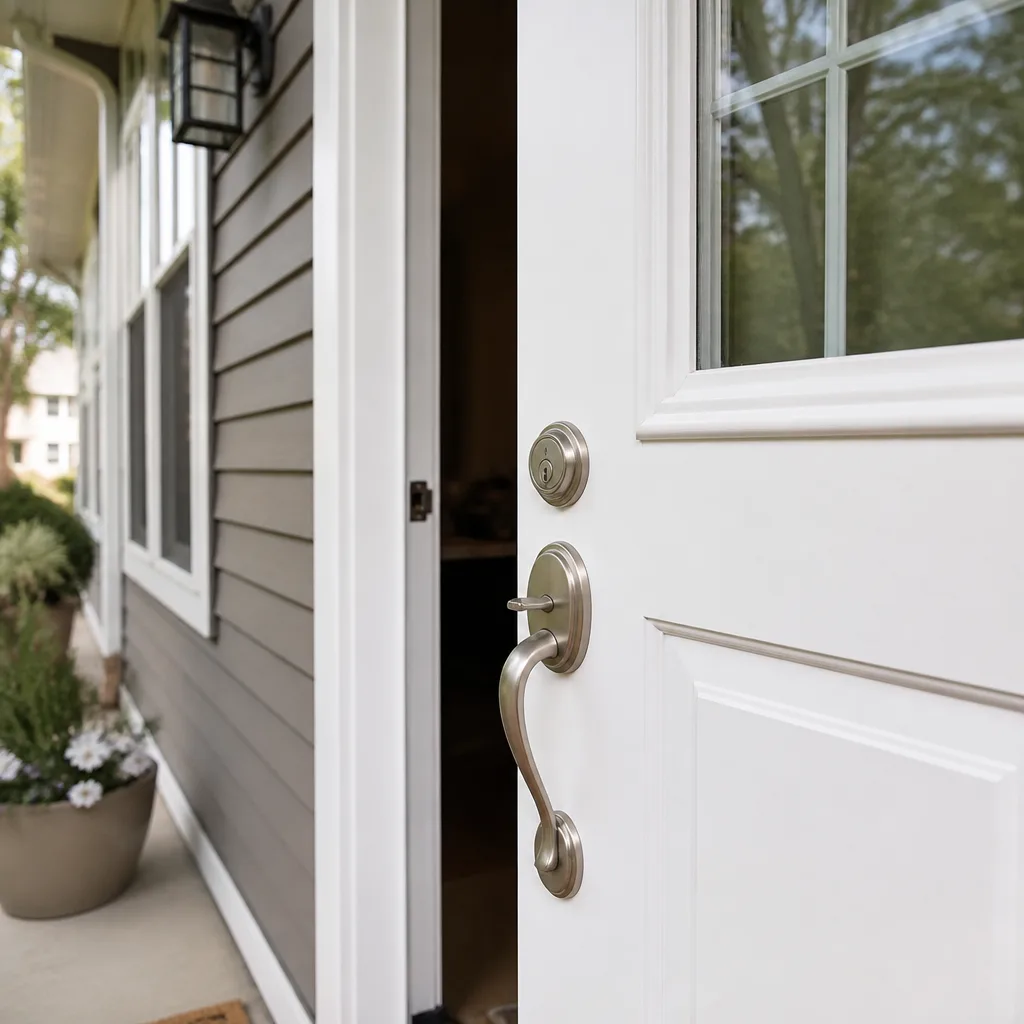
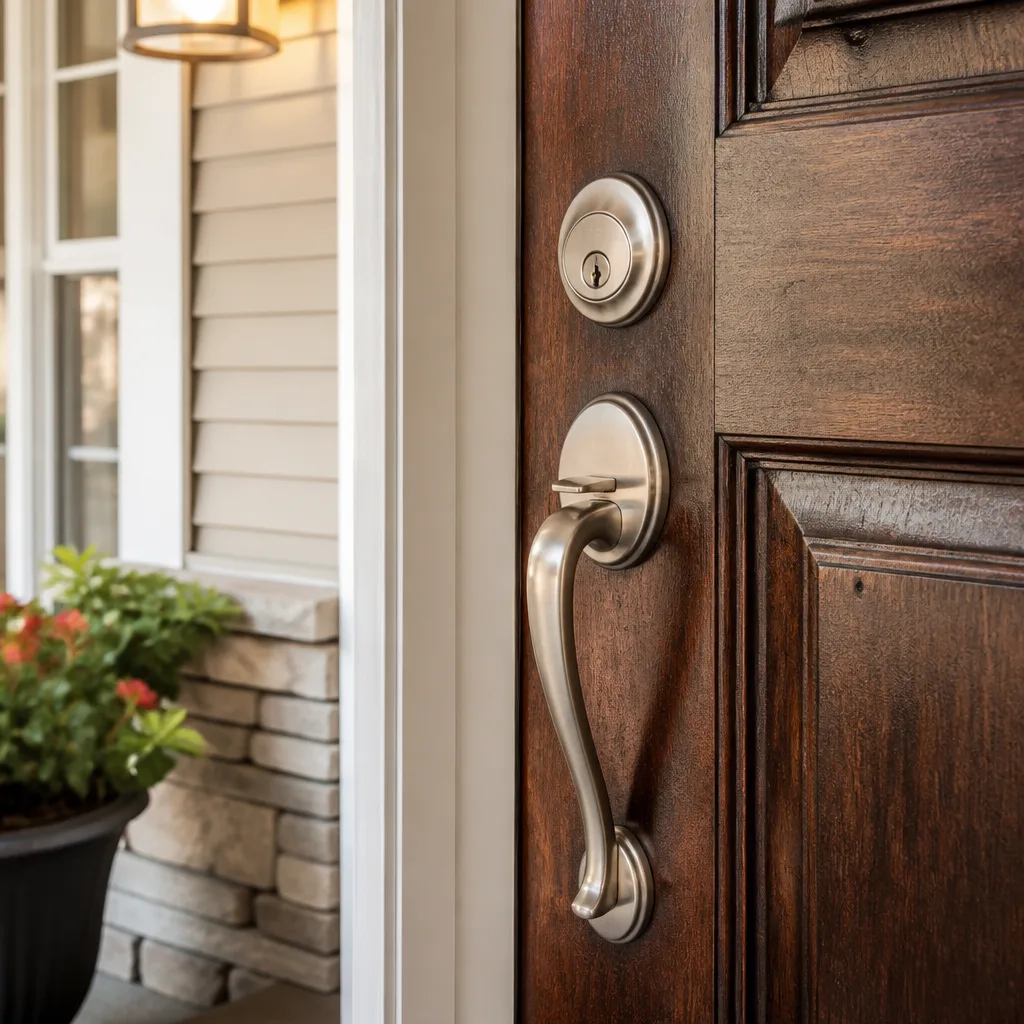
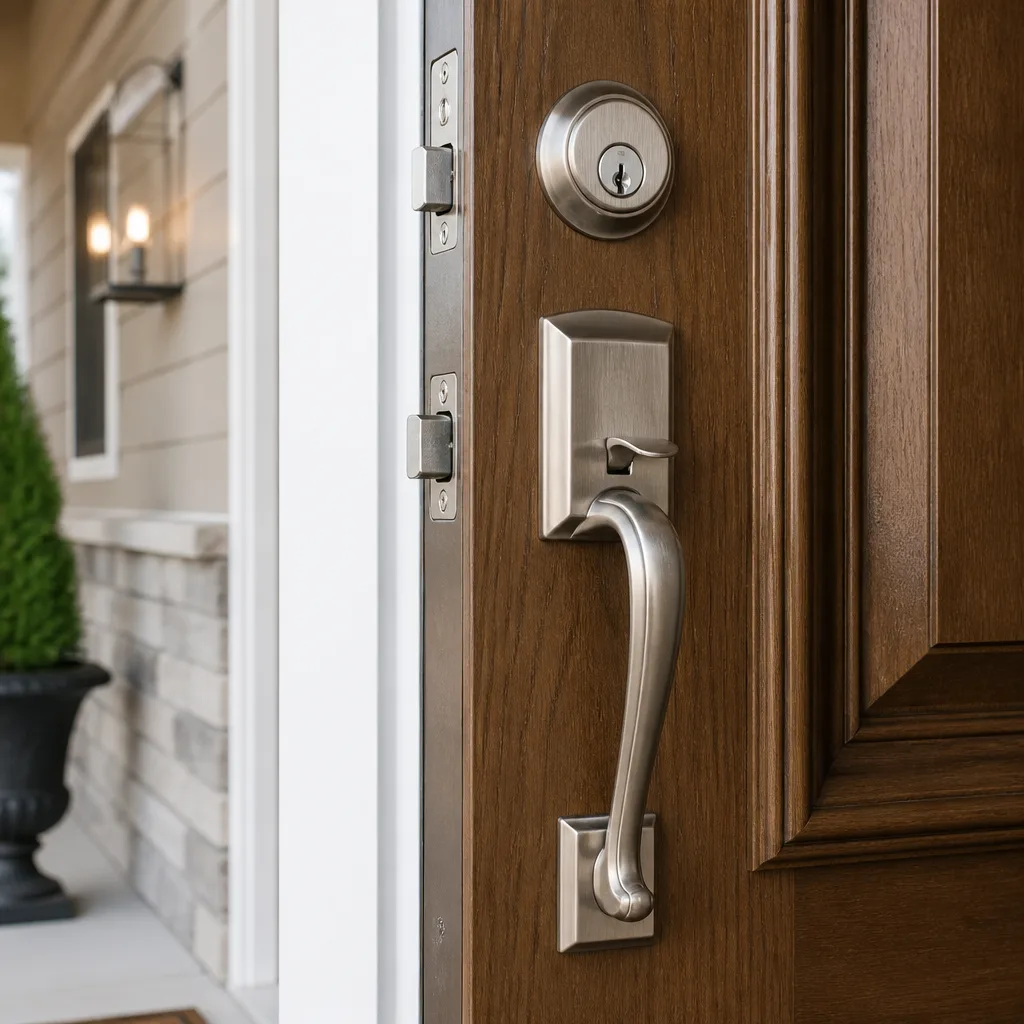
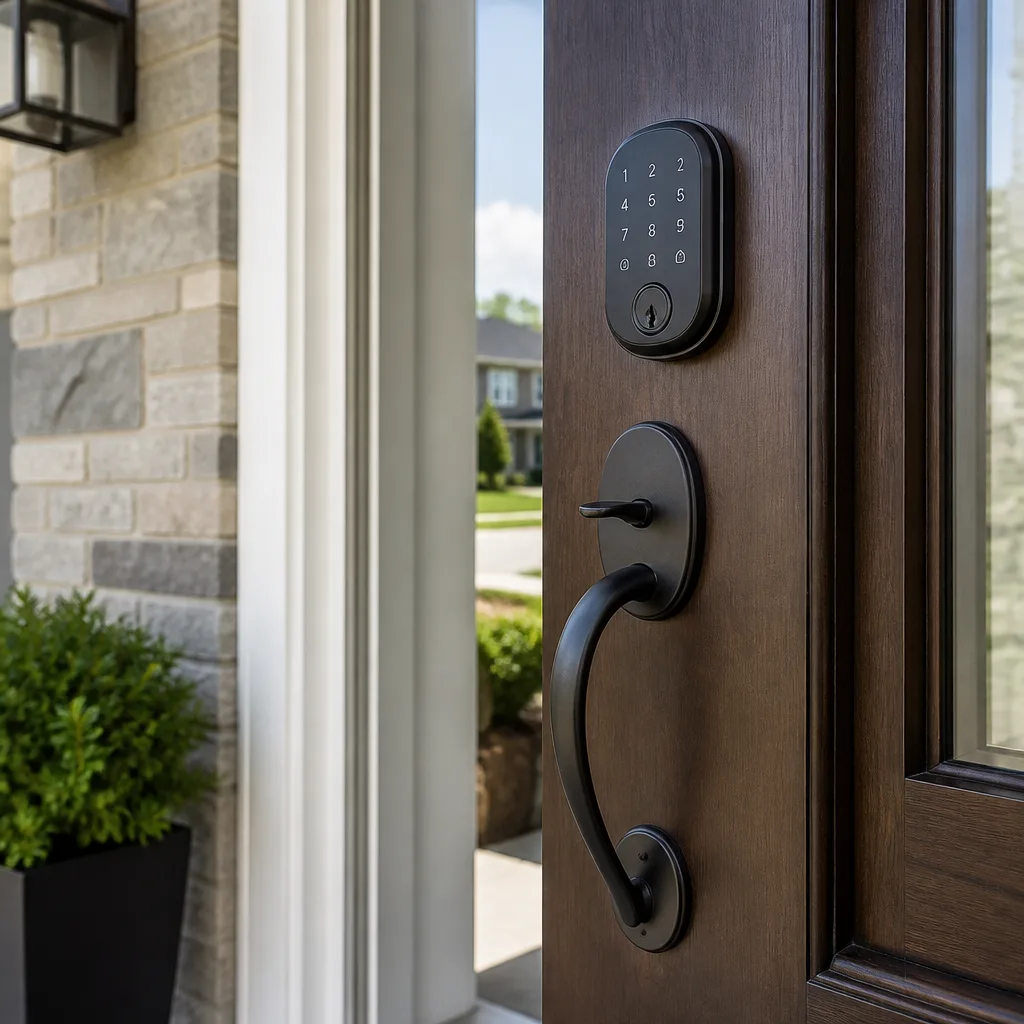
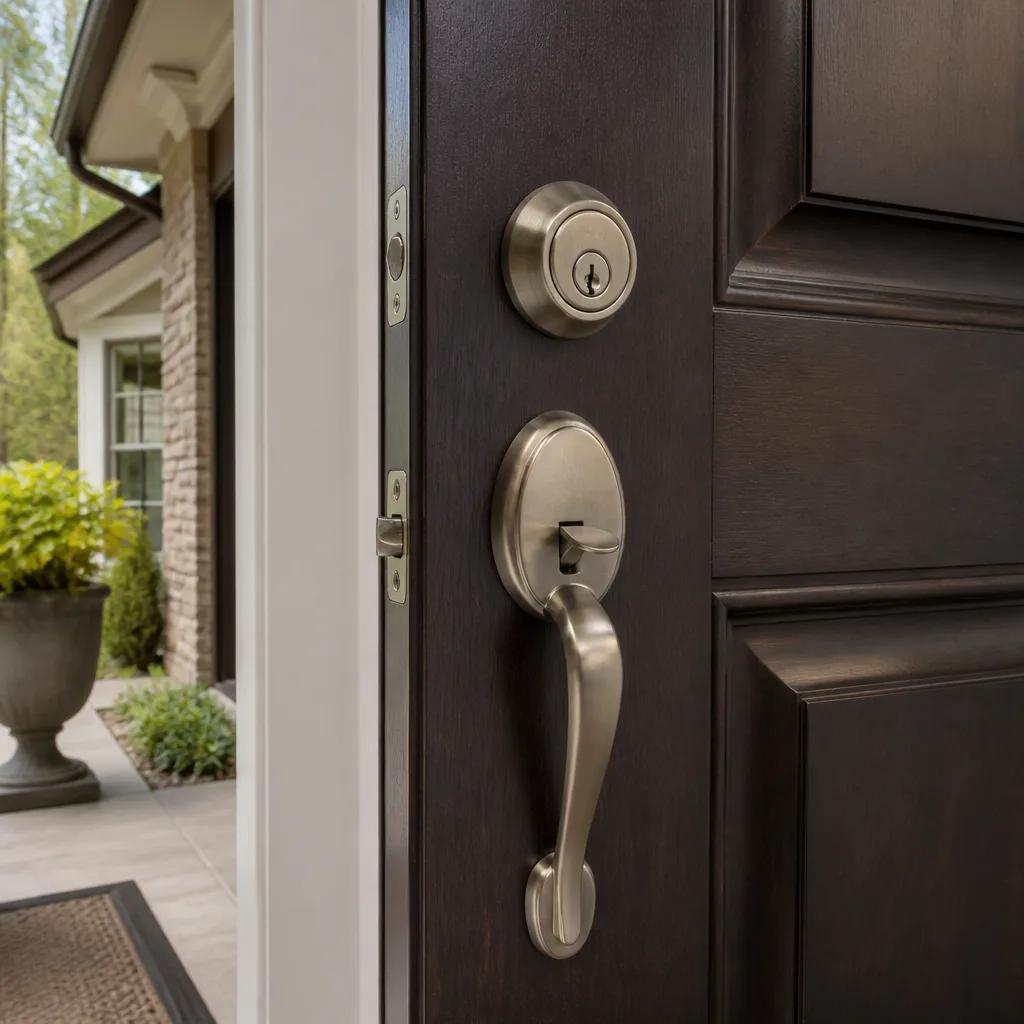
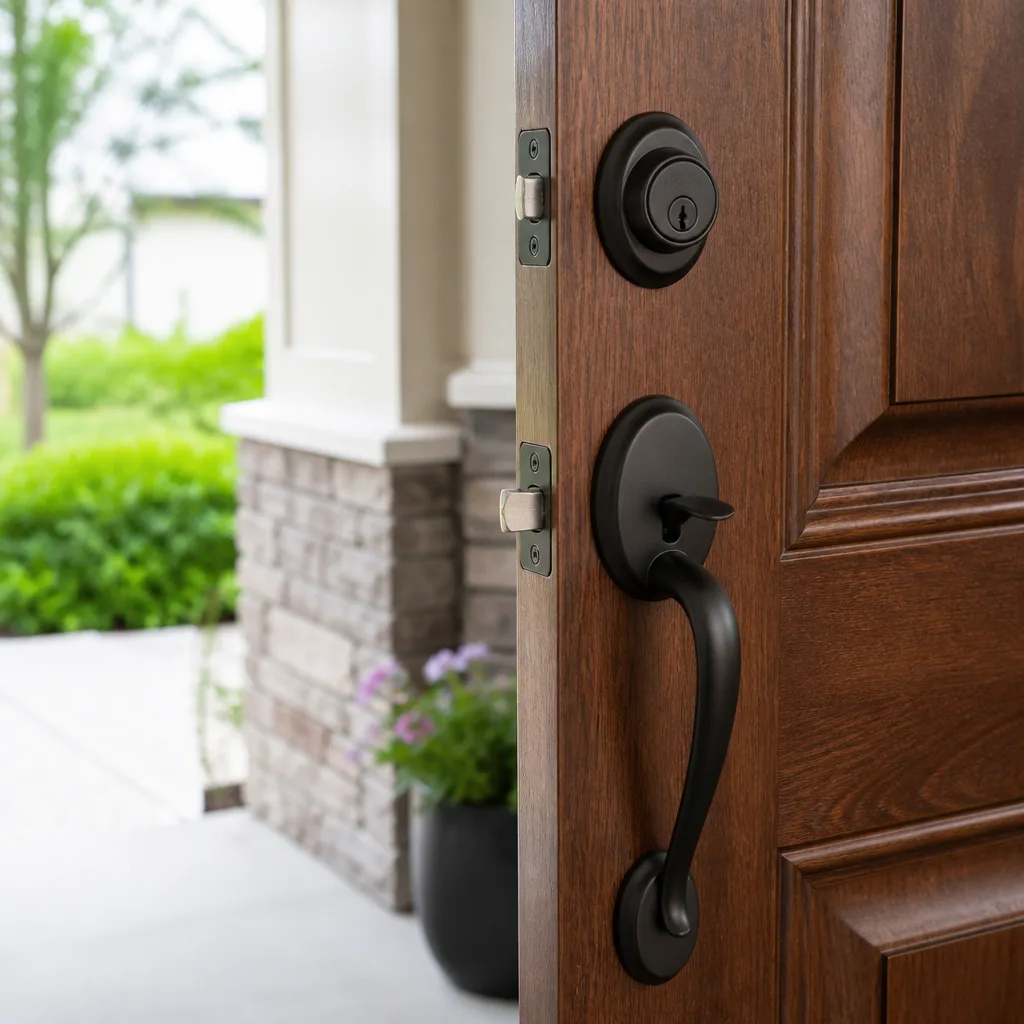
Residential Locksmith Troubleshooting: Common Problems and How to Fix Them
Here’s something most Los Angeles homeowners don’t realize until they’ve already paid for a service call: a deadbolt that catches on the strike plate every third try is almost never a lock problem. It’s a door alignment problem that four dollars of adjustment fixes. The same goes for a half dozen other “broken lock” complaints we get called out for every week. This guide walks you through the five most common residential lock issues in Los Angeles, how to diagnose each one yourself in about ten minutes, which fixes are genuinely DIY, and which ones need a Residential Locksmith before you make it worse. You’ll learn the right way to lubricate a lock, how to describe a problem over the phone for an accurate quote, and what smart lock failures actually mean. By the end, you’ll know exactly what you’re dealing with and what it should cost.
Quick Answer
Most residential lock problems fall into five categories: a sticky or hard-to-turn key, a deadbolt that won’t throw fully, a loose door handle, a knob or lever that turns without latching, or a lock that works from one side but not the other. Each has a different root cause, usually tied to the lock cylinder, the latch, the strike plate, or the door frame itself. You can diagnose most of these in ten minutes with nothing more than a screwdriver and a tube of the right lubricant, and several of them cost under $20 to fix permanently.
Table of Contents
- Sticky or Hard-to-Turn Key: The Lubrication Problem
- Deadbolt That Won’t Throw Fully: Strike Plate vs. Door Alignment
- Loose Door Handle or Knob: The Tightening Fix
- Knob or Lever That Turns Without Latching
- Lock Works From Outside But Not Inside
- Smart Lock Troubleshooting: Battery, Connectivity, or Installation
- How to Describe a Lock Problem Over the Phone for an Accurate Quote
- Common Mistakes to Avoid
- When to Call a Professional
- Frequently Asked Questions
- The Bottom Line
Sticky or Hard-to-Turn Key: The Lubrication Problem
A key that sticks, grinds, or requires a wiggle to turn is the single most common residential lock complaint we hear in Los Angeles. The cause is almost always friction inside the cylinder, the part where the key goes in. Inside every cylinder are spring-loaded pins that ride along the cuts in your key. When the key is cut, those pins move up and down. Over time, the pins and springs collect dust, wear down microscopically, and bind. In Los Angeles specifically, the dry air and fine particulate dust that blows through neighborhoods near the hills and the 405 corridor makes this worse than in coastal climates. Locks here get gritty faster.
Before you call anyone, try this: lubricate the lock. But not with WD-40. Here’s why that matters. WD-40 is a water displacer, not a lock lubricant. It’s thin, it evaporates, and it leaves behind a residue that attracts the same dust that caused the problem. Within a few weeks, your lock is stickier than it was before. The right product is a dry graphite powder or a PTFE-based lubricant like Tri-Flow or Houdini. These lubricate the pins without leaving an oily film that traps grit.
- Spray or puff a small amount of lubricant directly into the keyway, which is the slot where the key goes.
- Insert the key and work it in and out several times.
- Turn the key fully to lock and unlock four or five times.
- Wipe the key clean and test the feel.
If the key turns smoothly after this, you solved it. If it’s still stiff, the pins or springs are worn, and the cylinder likely needs rekeying or replacement. A standard Schlage or Kwikset cylinder rekey in Los Angeles typically runs $20 to $45 per lock when a technician is already on site, and a full cylinder swap runs $60 to $120 depending on the hardware. These are the kinds of numbers you should expect to hear on the phone before anyone is dispatched.
Deadbolt That Won’t Throw Fully: Strike Plate vs. Door Alignment
When a deadbolt won’t extend all the way into the door frame, most people assume the lock is failing. In our experience, it’s the door that moved, not the lock. Houses settle. Wood swells and shrinks with humidity and temperature swings, which Los Angeles gets plenty of between hot, dry summers and the marine layer that rolls through in June. For Seasonal Locksmith Care for Los Angeles: Year-Round Homeowner’s Guide, check our seasonal maintenance tips. Over years, a door that fit perfectly when it was hung drifts a few millimeters out of alignment. The deadbolt still throws on its own, but it hits the edge of the strike plate instead of sliding through the hole.
The telltale sign: close the door and look at the gap between the door and the frame. If the gap is wider at the top right but tighter at the bottom left, or if the latch line doesn’t match the strike plate hole, you have an alignment issue. You can see the scuff marks on the strike plate where the bolt is hitting. That’s the diagnosis.
The fix has a few steps, all simple:
- Remove the two screws holding the strike plate to the frame.
- Check whether the bolt now throws freely with the plate off. If it does, the plate position is the problem.
- If the bolt still hits the side of the plate hole, you may need to file the plate opening slightly wider using a small metal file. Go slow. A millimeter makes a difference.
- If the plate is too far forward or back, reposition it, fill the old screw holes with toothpicks and wood glue, and remount.
This is a $4 fix in parts and about 20 minutes of work. But there’s a version of this problem that isn’t as forgiving: if the door frame itself has cracked around the strike plate or the hinges, or if the deadbolt has actually started to sag internally, no amount of plate adjustment fixes it. That’s when you replace the deadbolt or repair the frame. A new mid-range Schlage or Kwikset deadbolt installed in Los Angeles runs roughly $45 to $90 for the hardware plus $50 to $80 for labor, assuming the door is sound and no frame work is required. If the frame is cracked, budget $120 to $250 for a proper repair that reinforces the jamb.
Loose Door Handle or Knob: The Tightening Fix
A door handle that wobbles, droops, or spins a little when you turn it is usually one of two things: a loose set screw or a worn spindle. Most residential levers and knobs, including the Kwikset and Schlage models common in Los Angeles homes, are held on by small hex-head set screws on the interior side of the handle. Over months of use, those screws back out. It’s a five-minute fix with an Allen wrench, which is commonly 3/32-inch for Kwikset and 5/64-inch for Schlage, though the exact size varies by model.
- Find the set screw hole on the side of the interior handle.
- Insert the correct Allen wrench and tighten firmly.
- Test the handle for wobble.
- If the handle is still loose, remove it and inspect the spindle, which is the square metal bar that passes through the latch.
If the spindle looks worn at the edges or the handle itself has a cracked hub, tightening won’t help because the handle no longer grips the spindle. That part is replaceable. A new spindle kit runs $8 to $20 at any hardware store in Los Angeles, from North Hollywood to Torrance. If the handle itself is cracked, you’re looking at a full handle replacement, typically $40 to $120 for the hardware plus installation. We’ve seen plenty of handles in older Los Angeles homes, especially the mid-century builds in the Valley and West Adams, where no amount of tightening revives a handle that’s been ground down over forty years of use.
Knob or Lever That Turns Without Latching
When a knob or lever turns freely but the latch doesn’t retract, or when the latch retracts but won’t spring back, you have a latch mechanism problem. The latch is the spring-loaded piece that comes out of the edge of the door and sits in the strike plate hole. Inside the latch assembly is a small spring. When that spring breaks, which happens with age and repeated slamming, the latch stops returning on its own. The knob turns, the spindle rotates, but nothing engages with the latch. The door simply won’t stay closed.
The diagnosis starts with this test: press the latch itself with your thumb while the door is open. If it doesn’t spring back, the spring is dead. If it does spring back, but the knob doesn’t retract it, the spindle is either too short or has slipped out of alignment. Both are common in homes where the door was re-hung at some point or the handleset was replaced without checking fit.
Replacing a latch assembly is a 20-minute job you can do with a screwdriver. It costs $15 to $35 for a quality Kwikset or Schlage latch. Here’s the order:
- Remove the two screws from the interior handle and pull both handles off.
- Unscrew the two screws on the faceplate on the door edge and slide the latch out.
- Measure the backset, which is the distance from the door edge to the center of the cross-bore hole. It’s either 2-3/8 inches or 2-3/4 inches in almost every residential door.
- Install the new latch, making sure the beveled side of the latch faces the closing direction.
- Reassemble the handles and test before you close the door all the way. Test it half a dozen times with the door open first, because a latch installed backward will lock you out the moment the door closes.
That last point matters more than people think. A backward latch is a common call we make in Los Angeles, and it’s always an easy fix. But it’s a frustrating lockout if you didn’t catch it in time.
Lock Works From Outside But Not Inside
A lock that turns fine with the key from outside but won’t turn from the interior thumbturn, or vice versa, points to one specific thing: the tailpiece connection inside the lock body. The tailpiece is the thin metal bar that connects the thumbturn to the cylinder mechanism. When it’s bent, worn, or has slipped out of its slot, one side of the lock disengages entirely. You’ll feel the thumbturn spin with no resistance, or the key turn but nothing throw.
This is not a lubricant problem and not an alignment problem. It’s a mechanical failure inside the lock. On a Schlage or Kwikset deadbolt, the fix is usually to replace the interior mechanism or the entire lock, because bending a tailpiece back to original tolerances is unreliable. The part itself is inexpensive, often $10 to $20, but the trick is getting the exact match for your lock model. If the lock is older or discontinued, replacing the whole deadbolt makes more sense.
There’s a second version of this that shows up in Los Angeles apartment buildings and rental properties more than single-family homes: a lock that was rekeyed and reassembled with the tailpiece in the wrong orientation. The cylinder works, but the interior side can’t engage because the tailpiece was reinstalled 180 degrees off. That’s a five-minute fix for a locksmith who has the lock in hand. It’s also a reminder of why rekeying isn’t always just about the pins; reassembly matters. A professional rekey in Los Angeles, on a standard Schlage or Kwikset deadbolt, typically runs $20 to $45 per lock, and it includes checking the tailpiece, the springs, and the overall mechanical health of the lock while it’s apart. That’s the kind of thing that separates a quick rekey from a job that actually leaves the lock better than it was found.
Smart Lock Troubleshooting: Battery, Connectivity, or Installation
Smart locks fail in three ways, and only one of them usually requires a locksmith. The first is battery failure. Most residential smart locks, including the popular Schlage Encode and Kwikset Halo lines, run on four AA batteries and give you warning beeps or app alerts when power is low. If the keypad lights up but the bolt doesn’t throw, or the app says “low battery” and the lock only works intermittently, replace the batteries first. That solves a surprisingly large share of the smart lock calls we get in Los Angeles, where extreme heat in the Valley can drain batteries faster than the manufacturer’s estimate.
The second issue is connectivity. Smart locks connect through Bluetooth, Wi-Fi, or Z-Wave. If the lock works manually with the keypad or key, but the app can’t reach it, the problem is the signal, not the lock. Move the hub or router closer, check the bridge if your lock uses one, or reset the Wi-Fi module. This is a tech fix, not a lock fix. You don’t need a locksmith for it, and paying one to troubleshoot your router is a waste of money.
The third issue is installation. If a smart lock was installed on a door that’s slightly out of alignment, or the bolt hole was drilled a fraction too tight, the motorized bolt struggles against resistance it was never meant to fight. The motor burns out faster, the batteries drain faster, and the lock eventually stops throwing. You’ll hear the motor whirring but the bolt won’t fully extend. That’s an installation problem. The fix is realigning the strike plate or opening the bolt hole slightly. If the motor has already burned out, the lock is done, and you’re replacing it. Good installation on the first attempt prevents this entirely, which is one argument for having a smart lock installed by someone who does it daily rather than a handyman who does it twice a year.
We stock and service Schlage and Kwikset smart locks throughout Los Angeles as part of our residential work, and we also work with higher-security lines like Medeco and Abloy for homeowners who want a keyed deadbolt that does more than the basic big-box options. The right lock depends on your door, your deadbolt prep, and how much you care about app integration versus raw mechanical security. Those conversations are always part of the job.
How to Describe a Lock Problem Over the Phone for an Accurate Quote
Here’s the thing about calling a locksmith: the more precisely you describe the problem, the more accurate the quote will be, and the less chance there is of a surprise at the door. A vague call, something like “my lock is broken,” forces a locksmith to quote high to cover unknowns. That’s how the bait-pricing problem happens in this trade, and it’s exactly what we’ve structured our business to avoid. A specific call gets a specific number before anyone is dispatched.
Here’s what to have ready when you call:
- The exact symptom. Not “it’s broken,” but “the key turns but the latch doesn’t retract” or “the deadbolt won’t throw all the way.” Each of those points to a different fix and a different price.
- The brand of the lock. Schlage, Kwikset, Baldwin, Yale, or anything stamped on the faceplate. It matters for parts pricing.
- When it started. Did it fail suddenly, or has it been getting worse over weeks? Sudden failure often means something broke. Gradual failure often means wear or alignment.
- What you’ve already tried. If you lubricated it, say so. It saves the technician from redoing a step and tells us you’ve already ruled out the easy fixes.
- Whether it’s a deadbolt, a knob, or a handle set. And whether it’s the front door, a side door, or an interior door.
When you call Loxley Locksmith & Security at (682) 281-8985, a live person answers and walks through these questions with you. The price you’re quoted on the phone is the price on the invoice. There’s no call-out surcharge added when the technician arrives, and no “oh, that’s a different lock” adjustment unless the scope actually changes once the lock is opened up. And if it does change, you’ll get a new written price before any additional work happens. That’s the standard we operate under as part of the Kingswell family, and it’s been that way since we started serving Los Angeles in 2007.
Common Mistakes to Avoid
- Using WD-40 on a sticky lock. It feels better for a week, then the residue attracts grit and the lock binds worse than before. Use dry graphite or a PTFE-based lubricant instead.
- Forcing a key that won’t turn. If the key is half-inserted and won’t move, twisting harder is how keys snap off inside the cylinder. A broken key extraction in Los Angeles runs $75 to $150 depending on the cylinder, which is more than the lubrication or rekey that would have prevented it.
- Drilling out a lock without checking the strike plate first. We’ve replaced plenty of locks in Los Angeles where the deadbolt was perfectly fine and the strike plate was simply misaligned. You can’t un-drill a lock.
- Replacing a handle when only the latch spring is broken. A $20 latch is a better spend than a $120 handle set. Diagnose first, buy second.
- Ignoring a loose handle because it still “works.” A wobbling handle puts uneven wear on the spindle and the latch, and it fails fully at the worst possible time. Usually when you’re late for work or locked out with groceries in hand.
- Trying to force a smart lock throw when the door is misaligned. The motor fights the resistance and burns out. Fix the alignment, then the lock will throw cleanly.
- Calling a locksmith without having your lock brand and symptom ready. You’ll get a padded quote, and you’ll have no way to compare it fairly. Two minutes of preparation saves real money.
When to Call a Professional
Some lock problems are worth a phone call on the first day. If a key has snapped off inside the cylinder, stop. Don’t dig at it with tweezers or a paperclip; you’ll push the broken piece deeper. If a deadbolt still won’t throw after you’ve ruled out alignment and lubricated the cylinder, the internal mechanism is failing and needs replacement. If a lock works intermittently with no pattern, the cylinder is worn past the point that rekeying alone fixes. And if you’ve had any kind of break-in attempt, forced entry, or a key go missing, you need a rekey or cylinder replacement immediately, not a tune-up. These are the calls where a professional diagnosis pays for itself. Residential locksmith work in Los Angeles is what we do every day, and Loxley Locksmith & Security offers free estimates. Call (682) 281-8985 and a live person will talk through the problem with you and give you a written price before any work starts.
Frequently Asked Questions
Check whether the key is sticking in the cylinder or whether the cylinder itself is worn. Lubricate the keyway with dry graphite or a PTFE-based lubricant and work the key in and out several times. If the key still binds after lubrication, the pins are worn and the cylinder needs rekeying or replacement. Don’t use WD-40, because it leaves a residue that attracts dust and makes the problem worse over time.
Rekeying a standard Schlage or Kwikset deadbolt in Los Angeles typically runs $20 to $45 per lock when a technician is already on site. A full deadbolt replacement runs $95 to $170 including labor for a mid-range model. Latch replacements run $15 to $35 for parts. Smart lock installation carries a higher labor cost because of alignment and testing. Call (682) 281-8985 for a written quote before any work starts.
Intermittent deadbolt failure is almost always an alignment issue. The bolt clears the strike plate on some attempts and catches on others because the door has shifted slightly out of alignment. Check the scuff marks on the strike plate; if they’re off-center, the plate needs adjustment or the bolt hole needs filing. If alignment is fine, the cylinder itself may be worn and need replacement.
At Loxley Locksmith & Security, yes. The price you’re quoted on the phone is the price on the invoice, and there’s no call-out surcharge added on arrival. If the scope changes once a technician opens the lock and finds something unexpected, you’ll get a new written price and the chance to approve it before any additional work happens. That’s the Kingswell way, and it’s been our standard since 2007.
If the issue is dead batteries or a connectivity problem, you can fix it yourself with new batteries or a router reset. If the bolt won’t throw fully because the door is misaligned, that’s a door problem, not a lock problem, and it needs alignment work. If the motor whirs but the bolt doesn’t move, the internal mechanism or motor has failed and the lock needs replacement. For anything involving the physical bolt mechanism, a professional is the safer call.
Rekeying changes the internal pins so the old keys no longer work, but the lock hardware stays in place. It costs $20 to $45 per lock in Los Angeles. Replacing removes the entire lock and installs new hardware, which costs $95 to $170 for a mid-range deadbolt including labor. Rekeying is the right move when the lock mechanically works fine but you’ve lost a key or moved into a new home. Replacing is right when the cylinder, latch, or internal mechanism is worn out.
Because we put it in writing. Every job starts with a written price before any work begins, and that price doesn’t change when the technician arrives. Every repair carries a 365-Day Done Right Promise: if the repair fails within a year, we come back and fix it at no charge. And when you call (682) 281-8985, a live person answers. Those are the terms on paper, not a verbal promise. For homeowners looking at the full scope of what we handle across the city, our Loxley Locksmith & Security home page has the details, and our commercial locksmith work in Los Angeles runs on the same written standard. If you’re considering a broader security upgrade, we also handle access control systems in Los Angeles for both homes and businesses.
The Bottom Line
Most residential lock problems have specific, identifiable causes, and most of them don’t require replacing the lock. A sticky key usually needs the right lubricant. A deadbolt that won’t throw usually means the strike plate or door alignment has shifted. A loose handle is a set screw or a worn spindle. A latch that won’t engage is a broken spring. A lock that works from one side only has a tailpiece failure. Diagnose first, then decide whether it’s a $4 fix or a real repair. And when the problem is beyond a ten-minute fix, call someone who gives you a written price before the work starts, backs it with a real guarantee, and answers the phone when you call. That’s what we’ve done in Los Angeles since 2007, and it’s the standard every job still follows.
Written by Sam Rourke, Owner at Loxley Locksmith & Security, serving Los Angeles since 2007.