
Last updated October 8, 2026
Non-destructive entry first, always - and we re-key Schlage, Kwikset, and Baldwin locks on the spot while you watch
You get a price before we start. It does not change when we arrive. No surprises.
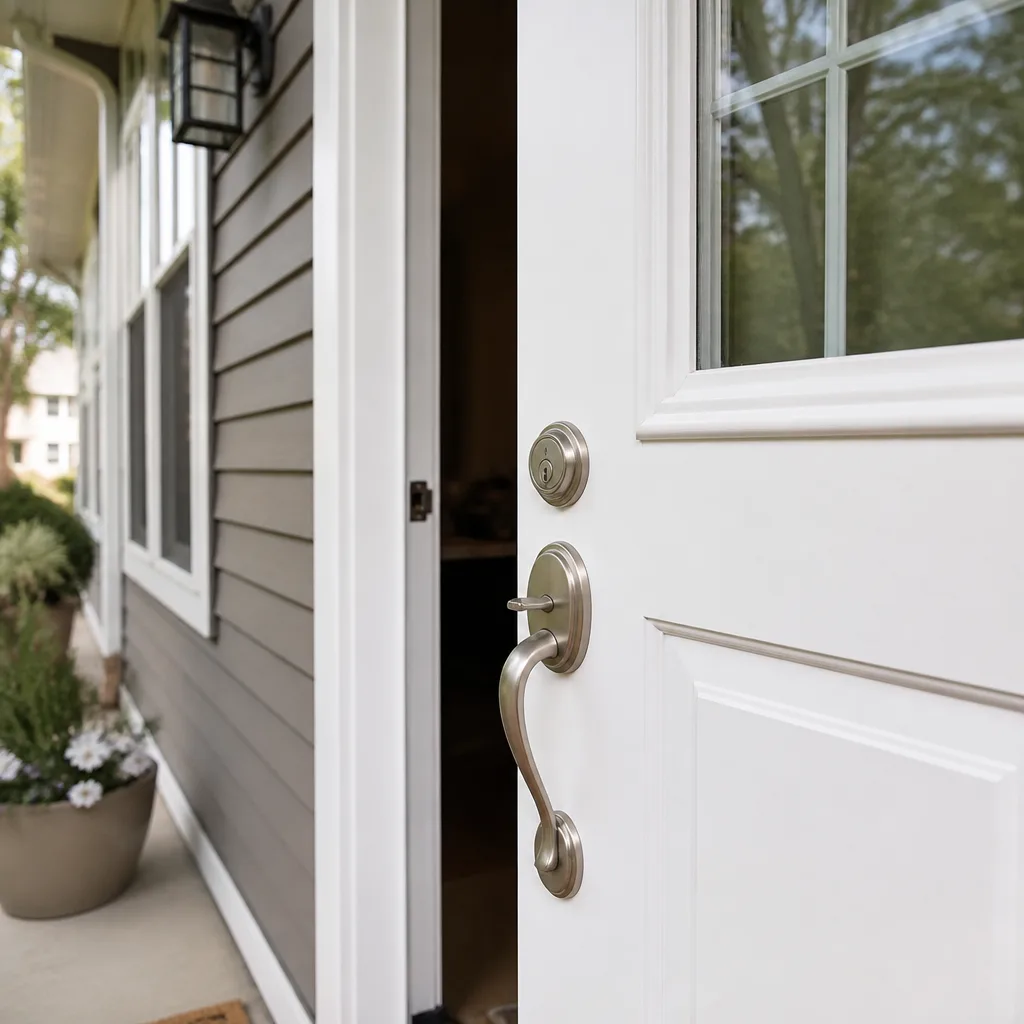
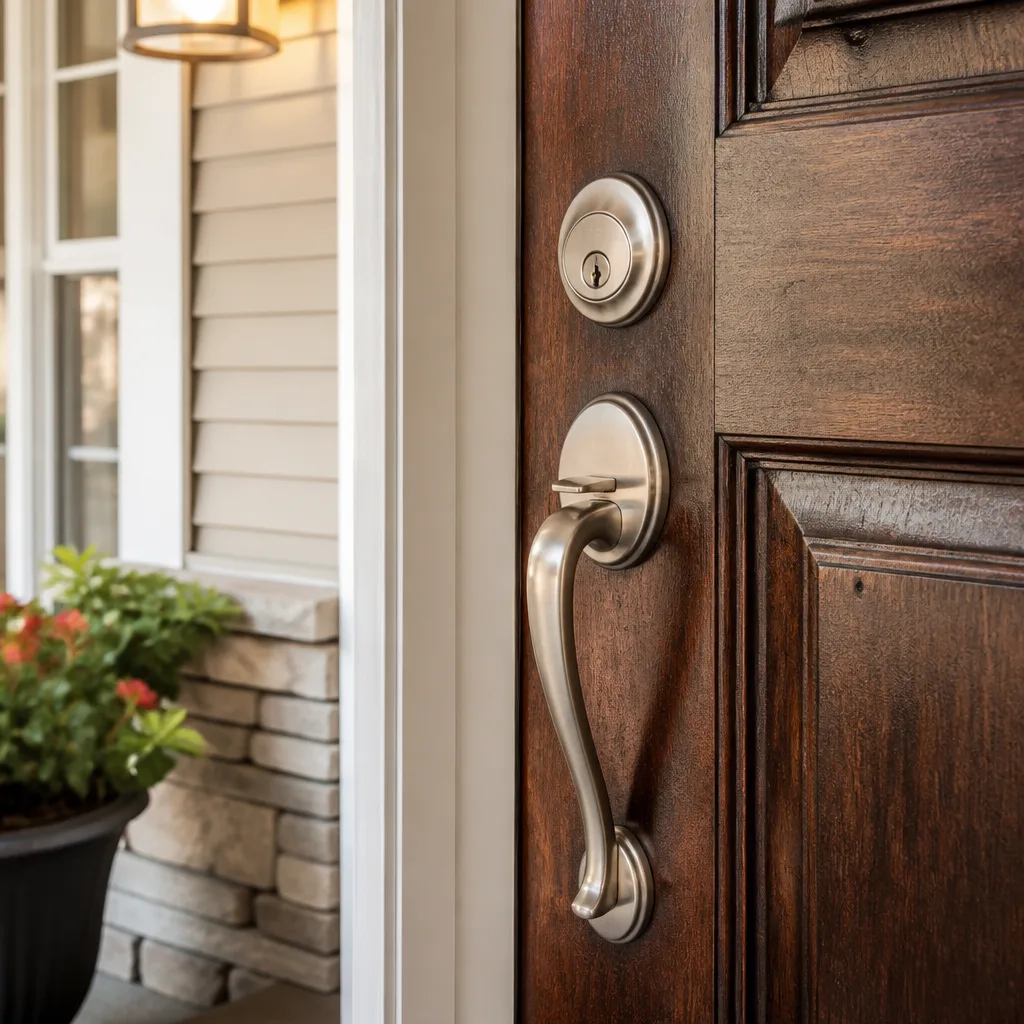
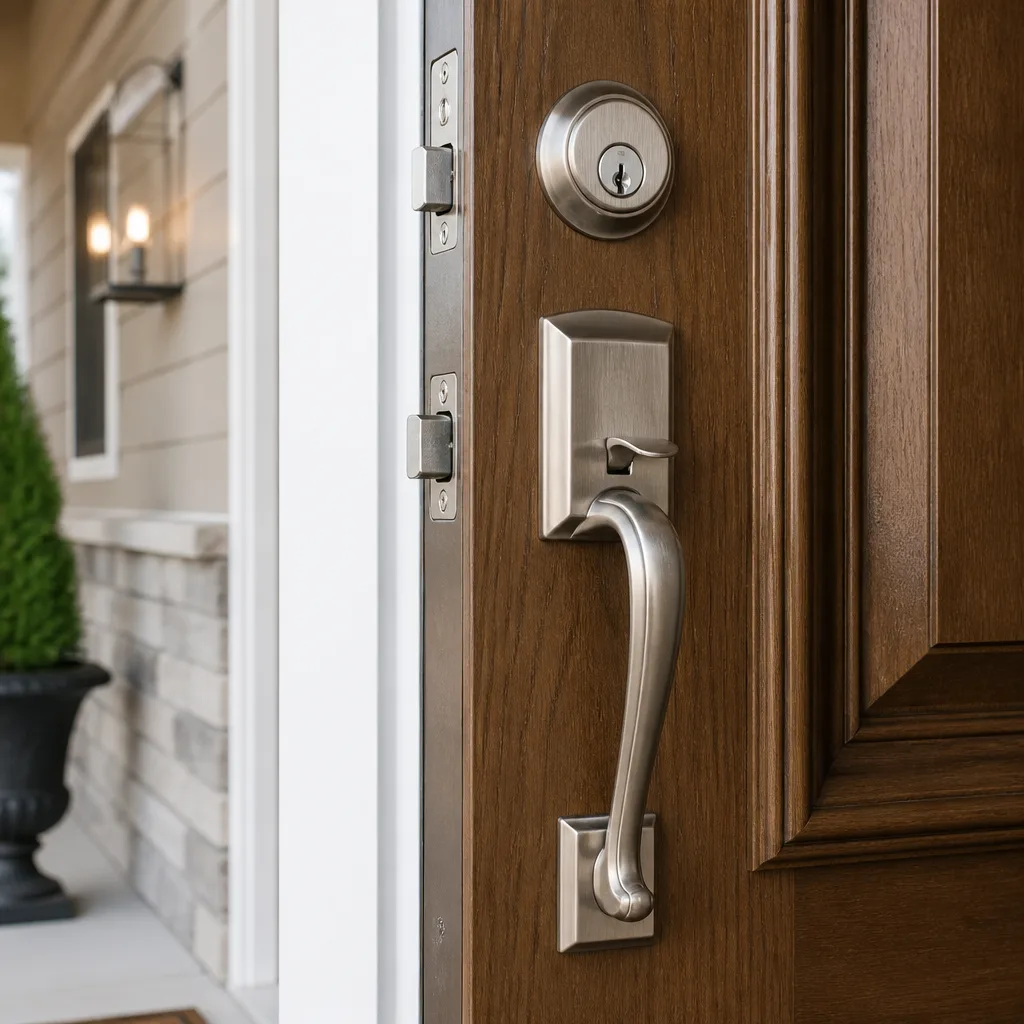
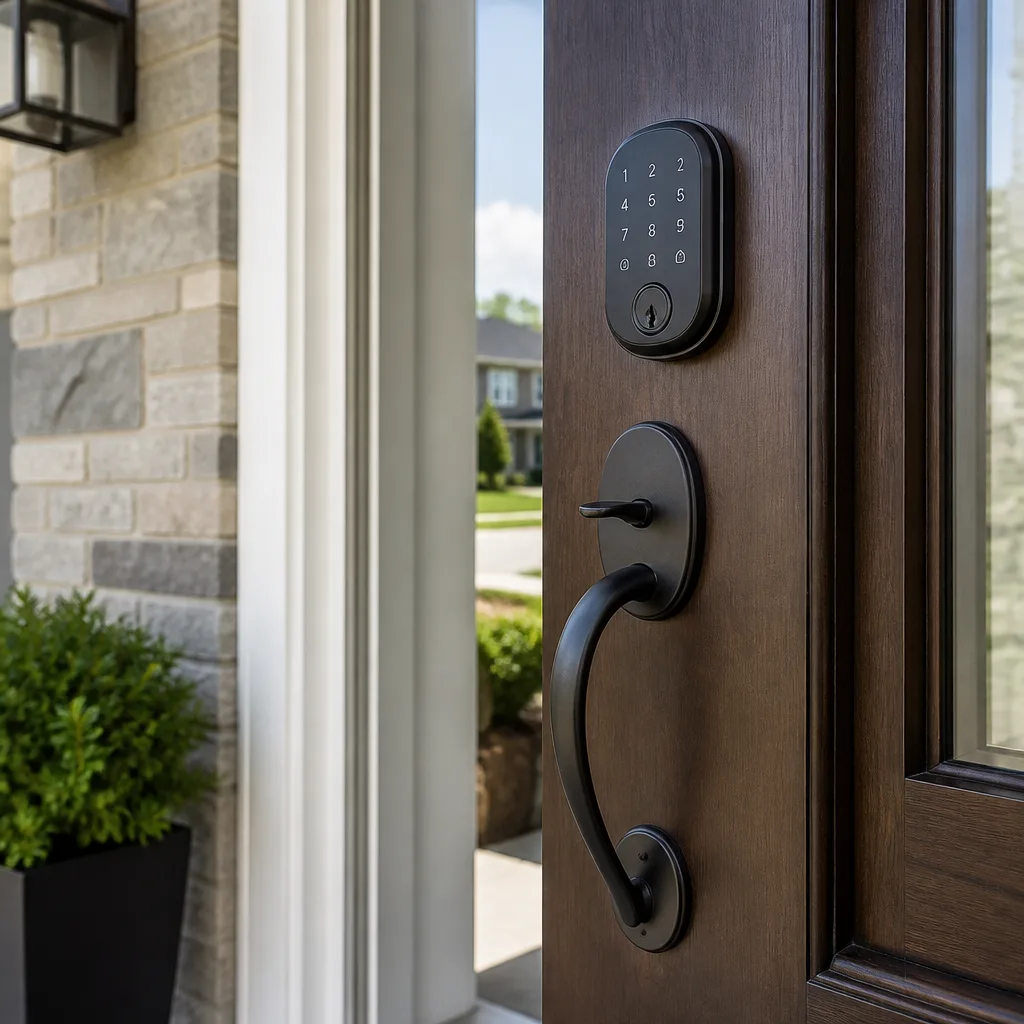
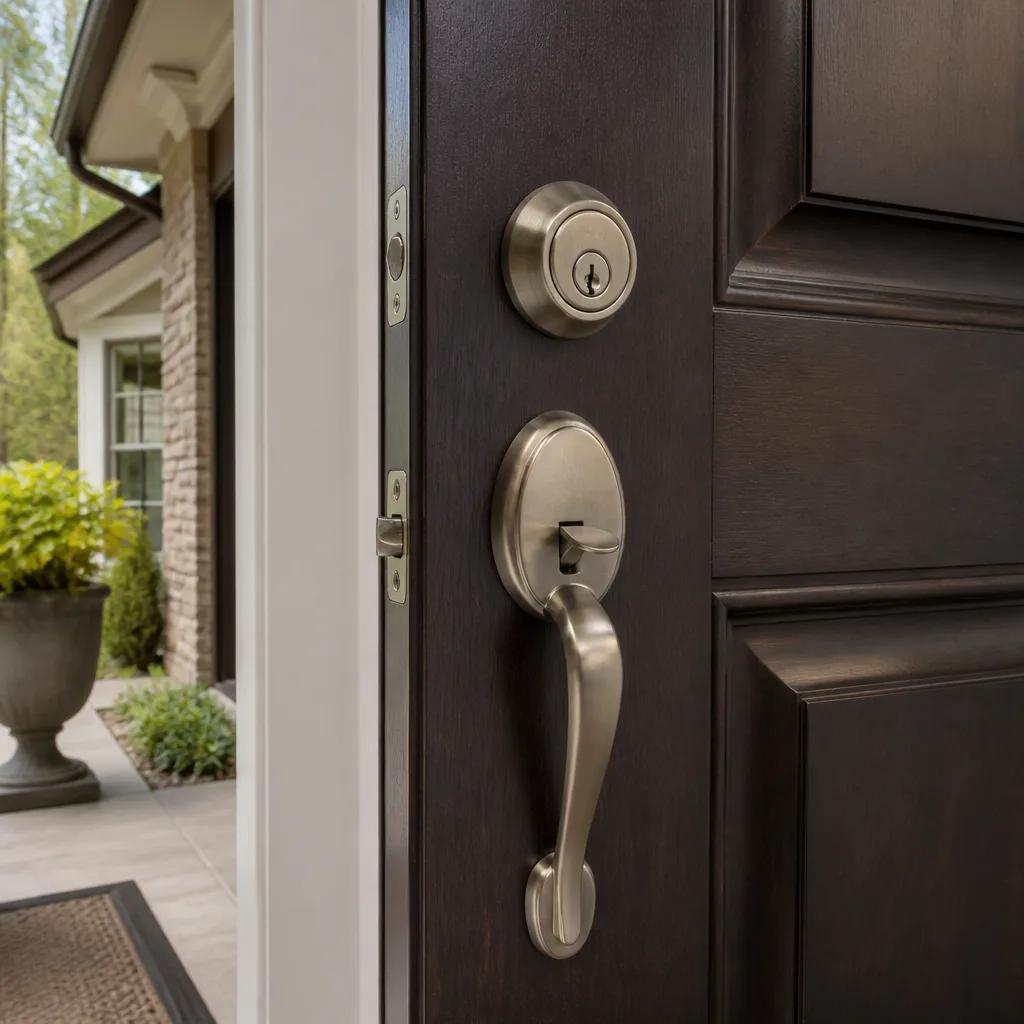
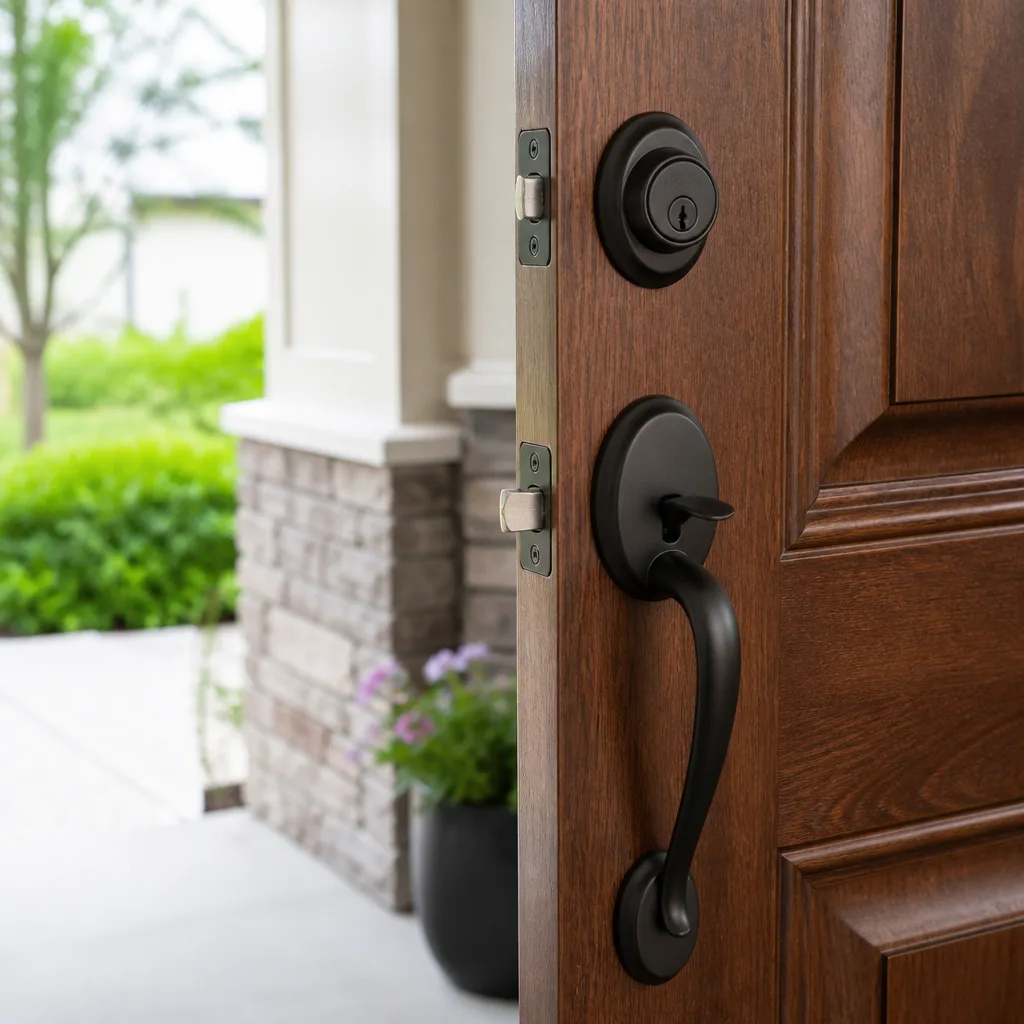
Residential Locksmith Maintenance Schedule: What to Do and When
The best time to find out your front door deadbolt is failing is not at 11 p.m. when you come home from a trip. It’s on a Saturday morning when you have daylight, a working door, and fifteen unhurried minutes. Most Los Angeles homeowners never think about residential locksmith maintenance until a key snaps in the cylinder or a deadbolt stops turning. What follows is a plain-language schedule tied to things you already do, like spring cleaning or renewing a lease, so the work actually gets done. We’ve serviced locks across Los Angeles since 2007, and the failures we see are almost never sudden. They are slow, predictable, and preventable.
Quick Answer
A practical residential lock maintenance schedule for Los Angeles homeowners is: lubricate pin tumbler deadbolts and lever handles twice a year, inspect and clean all exterior locks every spring and fall, rekey after any life event like a move or lost key, and replace any lock that is more than five years old without service or shows wobble and resistance. A full at-home lock audit takes under twenty minutes and requires no tools.
Table of Contents
- The 20-Minute Lock Audit for Every Exterior Door
- Lubrication Schedule by Lock Type
- When to Rekey and When to Replace
- Los Angeles-Specific Wear Factors
- A Simple Household Key-Control Record
- Window and Sliding Door Locks: The Overlooked Layer
- Seasonal Maintenance Checklist
- Common Mistakes to Avoid
- When to Call a Professional
- Frequently Asked Questions
The 20-Minute Lock Audit for Every Exterior Door
Before you schedule anything, you need to know what you’re working with. A lock audit is a walk-through of every entry point in your home, and it does not require a single tool. Here is the step-by-step version we walk our own customers through when they call the Loxley Locksmith & Security home office with a question about a sticky lock.
- Count your exterior doors. Front, back, side, garage entry, door from garage into the house. Each one gets checked.
- Insert and turn the key slowly. Feel for grinding, catching, or spots where you need to wiggle the key. A smooth turn is normal. A scratchy turn means the cylinder pins are dirty or worn. Do this three times per lock.
- Check the deadbolt throw. With the door open, lock the deadbolt. The bolt should extend fully and without hesitation. If it labors or stops short, the strike plate may be misaligned or the mechanism needs cleaning.
- Grab the knob or lever and try to move it up, down, and side to side. Any play beyond a millimeter or two means the internal chassis is wearing out.
- Close the door and look at the gap between door and frame. In Los Angeles, older homes in neighborhoods like Silver Lake and Highland Park settle, and that settlement pulls the strike plate out of alignment. If you can see daylight or feel a draft, the lock is working harder than it should.
- Check the strike plate screws. They should be at least 2.5 inches long so they bite into the stud behind the jamb. Short screws are the number one reason a deadbolt fails when someone leans on the door.
- Inspect window locks and sliding door latches separately. More on that below.
The whole check takes under twenty minutes. Write down anything that feels off, even if it still works. A lock that is slightly sticky today is a lock that will fail entirely in six months. In our experience, the homeowners who catch these things early are the ones who never need an emergency call.
Lubrication Schedule by Lock Type
Not all locks need the same care, and using the wrong product is worse than using nothing at all. The biggest mistake we see in Los Angeles homes is WD-40 in a deadbolt. WD-40 is a solvent, not a lubricant. It cleans out old lubricant and leaves the cylinder dry, which accelerates wear. Here is what actually works.
Pin Tumbler Deadbolts (Schlage, Kwikset, Yale)
- What to use: A dry graphite powder or a Teflon-based lock lubricant. Graphite is the traditional choice for pin tumblers.
- Interval: Twice a year, every spring and fall.
- How: Insert the straw nozzle into the keyway, give a one-second puff of graphite, insert the key, and turn it back and forth five or six times. Wipe the face of the lock with a dry cloth.
- Why this interval: Pin tumbler locks collect dust, and in Los Angeles that dust includes a lot of fine particulate from traffic and construction. Twice-yearly lubrication flushes the grit before it scores the pins.
Lever Handle Locks (Schlage, Baldwin)
- What to use: A Teflon-based spray lubricant. Do not use graphite on lever handles; the internal return springs and bearings need a wet film lubricant.
- Interval: Twice a year, same schedule as the deadbolts.
- How: Remove the handle from the door, spray the chassis where the handle spindle enters, work the handle up and down ten times, and reinstall. Skip removal if you’re not comfortable; spray into the gap between handle and rosette while working the handle.
- Why: Lever mechanisms have return springs that fatigue when they run dry. A lever that sags instead of snapping back is on borrowed time.
Padlocks (Exterior Gates, Storage Sheds, Side Gates)
- What to use: A Teflon or silicone-based lubricant, never graphite. Padlocks sit exposed to weather and graphite clumps when it gets damp.
- Interval: Every three months. In coastal Los Angeles neighborhoods, especially west of the 405 in places like Mar Vista and Playa del Rey, salt air accelerates corrosion, so quarterly lubrication is the floor, not the ceiling.
- How: Lubricate the shackle where it enters the body, the keyway, and work the key in and out eight to ten times. Open and close the shackle fully five times.
Smart Lock Mechanicals
- What to use: Follow the manufacturer’s guidance for the electronic components, but the mechanical deadbolt portion still needs graphite or Teflon like any pin tumbler.
- Interval: Twice a year for the mechanical part, plus a battery check every three months.
- Why: Smart locks wear just like dumb locks; the motor is only as good as the cylinder behind it. If the manual key turn is stiff, the motor will eventually burn out trying to do the same job.
If you have a Medeco high-security cylinder, the same graphite schedule applies, but do not disassemble the cylinder yourself. Medeco pins are precision-machined and incredibly tight-tolerance. Let a locksmith open one up.
When to Rekey and When to Replace
Rekeying and replacing are different jobs with different price tags, and knowing which one you need saves real money. In Los Angeles, rekeying a standard Schlage or Kwikset deadbolt typically runs $85 to $145 per lock, while replacing the same deadbolt with hardware runs $160 to $300. Here is the rule: if the lock is mechanically sound and you just need to change who can open it, rekey. If the lock is worn, wobbly, or outdated, replace.
Rekey Triggers: Life Events
- New tenant or new home purchase. You have no idea how many keys were made by the previous occupant. In a city the size of Los Angeles, that matters. Rekey the day you take possession.
- Ended relationship or roommate departure. This is not about trust. It is about eliminating doubt. Rekey the locks the person had keys to.
- Lost key. Even one lost key means the lock should be rekeyed. If the key had your address attached to it, treat the rekey as urgent, not optional.
- Post-break-in. After any forced entry or attempted entry, rekey every exterior lock and replace any cylinder that was drilled, bumped, or visibly damaged.
- A key copy you cannot account for. A key given to a contractor, dog walker, or house cleaner who you no longer employ. Rekey.
Replace Triggers: Wear and Obsolescence
- More than four key copies made over the life of the lock. Each copy adds slight variation, and by the fifth copy the tolerances are sloppy enough that keys start sticking. That cylinder is done.
- Cylinder wobble or visible play in the knob or deadbolt. Internal wear. Replacement is the only real fix.
- Five years without service. A lock that has gone five years without lubrication, cleaning, or inspection is a candidate for replacement even if it still works. The internal pins and springs are worn past the point where maintenance will restore them.
- Visibly corroded or rusted hardware. Common on his block in coastal Los Angeles. Once corrosion reaches the internal mechanism, cleaning will not save it.
- Builder-grade hardware on a home you plan to keep. The cheap Kwikset or no-name cylinders that come with new construction are fine for five years. After that, upgrading to a Schlage B560 or better is one of the most cost-effective security improvements you can make.
Here is the rekey explanation in plain terms, because the trade throws the word around without defining it: rekeying means we change the internal pins so your old keys no longer work and new keys do. The lock stays on the door. The hardware is untouched. It takes about ten minutes per lock and costs a fraction of replacement. If you are in Los Angeles and unsure whether a lock is worth rekeying or replacing, call and describe what you are seeing. We will tell you honestly which one you need. A Residential Locksmith in Los Angeles can assess the hardware in person, but you can make a decent call yourself with the wear triggers above.
Los Angeles-Specific Wear Factors
Los Angeles is not one climate. It is at least three, and each one wears locks differently. Understanding which zone you live in tells you how aggressive your maintenance schedule needs to be.
Coastal Humidity West of the 405
Neighborhoods like Santa Monica, Venice, Mar Vista, and Playa del Rey sit in a marine layer for a good part of the year. Salt air and consistent moisture mean padlocks and gate hardware corrode faster here than anywhere else in the city. We regularly replace locks in coastal Los Angeles that are only three or four years old but have frozen solid from internal rust. If you live west of the 405, your padlocks need quarterly lubrication regardless of what the general schedule says, and your deadbolts benefit from a corrosion check every spring.
Heat Cycling in the Valley
The San Fernando Valley, including neighborhoods like Sherman Oaks, Encino, and Northridge, sees summer daytime temperatures above 100 degrees with nights dropping into the 60s. That is a 40-degree daily swing, and metal expands and contracts with every cycle. Over one summer, that is hundreds of cycles. Over five summers, that is thousands. The result is what we call heat fatigue: strike plates drifting out of alignment, screws backing out, and cylinders loosening in their bores. Valley homeowners should check strike plate screw tension every August and look for any new play in the lock body.
Urban Particulate
If you live anywhere with heavy traffic, which is most of Los Angeles, your locks are collecting a fine gray dust made of brake dust, tire particulates, and construction debris. This dust works its way into keyways and settles on the pins, acting like sandpaper every time you insert the key. The fix is simple: lubricate more often and do not ignore a scratchy key turn. That scratchy feeling is the dust cutting into the pins. A twice-yearly graphite flush handles it. Waiting until the key sticks means the damage is already done.
A Simple Household Key-Control Record
Most household lock crises are not lock failures. They are key-control failures. Someone has a copy you forgot about, or a key went missing, or a contractor never returned the one you gave them. The fix costs nothing and takes one sheet of paper or a notes app. Here is the system we recommend.
- Write down every exterior door and every keyed lock on a single list. Front door, back door, side gate, garage entry, storage room. Skip interior bedroom and bathroom locks unless they are keyed.
- Count every key that exists for each lock. This is harder than it sounds, which is the point. You will almost certainly find a key you forgot about.
- List who holds a copy. Spouse, child, neighbor, property manager, house cleaner, dog walker, contractor, friend with a spare for emergencies. Name, phone, and the lock it opens.
- Note when the last copy was made and by whom. If a key was copied at a hardware store kiosk, note that too. Machine-cut copies wear locks faster than factory-cut originals.
- Set a recurring calendar reminder every six months. The reminder says one thing: “Check key list. Does it still match reality?” If it does not, either track down the key or rekey the lock.
- When anyone on the list moves, leaves, or is no longer employed, rekey. Do not ask for the key back. Keys cost three dollars to copy. Asking for it back is theater. Rekey the lock.
This record costs nothing and takes fifteen minutes to create. It prevents the most common lock crisis we see in Los Angeles homes: the slow-motion realization, usually at the end of a relationship or the departure of a longtime service provider, that you have no idea how many keys are out there. A written key-control record is the difference between knowing and guessing, and guessing is expensive.
Window and Sliding Door Locks: The Overlooked Layer
Most homeowners check their deadbolts, and a security audit that ignores windows and sliders is half an audit. In Los Angeles, single-story homes and ground-floor condos are the most exposed, and window locks are the most common intrusion point after unlocked doors. Here is what to check.
- Double-hung windows: Check that the sash locks engage fully and the window cannot be lifted from outside when locked. Older wooden windows in neighborhoods like Hancock Park and Mid-City often have worn sash locks that look closed but do not seat. If the lock wiggles or the sash lifts a quarter inch, replace the lock or add secondary locking pins.
- Sliding windows: These use a simple crescent latch that can be bypassed with a screwdriver. The latch should seat deeply and the track should not allow the window to lift out of its frame. If the window lifts out when closed, the track is worn and needs a secondary lock.
- Sliding glass doors: Two checks. First, the factory latch should close fully and the door should not lift vertically in its track. Second, the foot bolt or security pin at the bottom should drop into the track. If there is no foot bolt, install one. A locking bar or dowel in the track is a functional short-term fix, but a proper foot bolt is the permanent answer.
- Casement windows: The crank mechanism should close the sash tight against the frame. If the sash does not compress the weather stripping, the locking arms need adjustment or replacement.
Windows and sliders need the same twice-yearly inspection schedule as your deadbolts. Add them to the same walkthrough. If you need to replace or upgrade any window or slider lock hardware, a Access Control Systems in Los Angeles specialist can advise on the right secondary locks for your window type, but most standard hardware swaps are straightforward.
Seasonal Maintenance Checklist
Here is the entire maintenance schedule on one page. Print it, put it on the fridge, and tie it to two weekends you already take for seasonal tasks: one in March or April for spring, one in September or October for fall.
Spring (March or April)
- Conduct the full 20-minute lock audit on every exterior door.
- Lubricate all pin tumbler deadbolts with graphite or Teflon.
- Lubricate lever handle locks and padlocks.
- Check all window locks and sliding door latches and foot bolts.
- Check and tighten strike plate screws on all exterior doors.
- Check smart lock batteries and replace if under 30%.
- Update the key-control record and confirm it matches reality.
Fall (September or October)
- Repeat the spring checklist in full.
- Pay special attention to padlocks if you live in a coastal Los Angeles neighborhood; fall is when salt-air corrosion from the summer marine layer shows up.
- Check for any new play in door hardware after the summer heat cycle, particularly in the Valley.
- Before the holiday travel season, test every lock you will rely on while you are away.
- Confirm the key-control record before any house sitters, pet sitters, or holiday visitors receive keys.
Two checklists per year, twenty minutes each. That is the entire commitment. The homeowners who follow this schedule rarely call us for emergencies. The ones who do not are most of our after-hours calls in Los Angeles.
Common Mistakes to Avoid
- Using WD-40 on locks. WD-40 is a solvent and degreaser. It strips the existing lubricant and leaves the cylinder dry, which accelerates wear. Use graphite or Teflon.
- Lubricating a lock that is already failing and calling it maintained. Lubrication prevents wear. It does not restore a lock that is already wobbling or grinding. If the key sticks after lubrication, the cylinder needs replacement.
- Ignoring the strike plate screws. The deadbolt can be perfect and the door will still kick open if the strike plate is held in by half-inch screws. Check the screws twice a year.
- Leaving a new home or rental with the previous tenant’s keys in circulation. In Los Angeles, where turnover is constant, this is the single most common rekeying trigger we see. Rekey on day one of possession.
- Making a fourth or fifth copy of a worn key. Each copy compounds the wear pattern of the previous one. If a key is visibly worn and copies start sticking, the fix is a new factory-cut key or a rekey, not another copy.
- Skipping windows and sliders because the doors are deadbolted. A deadbolt on the front door does nothing for the unlocked sliding door off the back patio. Audit every opening, not just the ones with deadbolts.
- Keeping a mental key list instead of a written one. Memory is not a security system. Write down who has keys, and check the list twice a year. When the list stops matching reality, rekey.
When to Call a Professional
Most of the maintenance on this page is DIY-friendly. A few situations are not. Call a locksmith if a key breaks off in the cylinder and you cannot extract it cleanly, if a deadbolt stops throwing entirely, if a lock has been picked or drilled, or if you see scoring marks around the keyway that suggest an attempted forced entry. A lock that needs rekeying after a break-in should be handled by a professional who can verify the cylinder is still sound, not just re-pinned and put back into service. Loxley Locksmith & Security offers free estimates in Los Angeles. Call (682) 281-8985 and a live person answers, day or night. If you need commercial hardware or key systems for a business property, our Commercial Locksmith in Los Angeles team handles that side of the work with the same written-price standard.
Frequently Asked Questions
Lubricate pin tumbler deadbolts and lever handle locks twice a year, once in spring and once in fall. Padlocks exposed to weather need lubrication every three months, and in coastal Los Angeles neighborhoods west of the 405, quarterly is the minimum since salt air accelerates corrosion. Use graphite for pin tumblers and Teflon-based lubricant for levers and padlocks. Call (682) 281-8985 if you are not sure which product to use on your hardware.
Rekey if the lock is mechanically sound but the key control has changed: new home, new tenant, ended relationship, lost key, or an unaccounted key copy. Replace if the lock shows physical wear: cylinder wobble, visible play in the knob or deadbolt, more than four key copies made, five years without service, or visible corrosion. Rekeying a standard Schlage or Kwikset deadbolt in Los Angeles typically runs $85 to $145 per lock. Replacing the same hardware runs $160 to $300.
A professional lock maintenance visit in Los Angeles typically runs $75 to $150 for a basic service call that includes cleaning and lubricating two or three locks, depending on travel distance and hardware type. If replacement parts or new cylinders are needed, that cost is quoted separately and in writing before any work begins. Loxley Locksmith & Security provides a written price before work starts on every job. Call (682) 281-8985 for an exact quote for your home.
Rekeying means changing the internal pins inside the existing lock cylinder so the old keys no longer work and new keys do. The lock stays on the door. Replacing means removing the entire lock assembly and installing new hardware. Rekeying is cheaper and appropriate when the lock is in good mechanical condition. Replacement is necessary when the lock is worn, corroded, or obsolete.
Yes. Every repair carries a written guarantee for 365 days, covering parts and labor. If a repair fails inside the guarantee period, we come back and fix it at no charge. That is the 365-Day Done Right Promise, and it is a standing policy, not a promotion.
Yes. We provide same-day rekeying for residential locks throughout Los Angeles. We quote a written price on the phone before anyone is dispatched and that is the price on the invoice. No figure changes at the door. Call (682) 281-8985 and a live person answers 24/7.
Yes. The mechanical deadbolt portion of a smart lock needs the same twice-yearly lubrication as a standard deadbolt. The electronic motor is only as good as the cylinder behind it. If the manual key turn is stiff, the motor wears out faster compensating for the resistance. Follow the manufacturer’s guidance for the electronic components and check batteries every three months.
The Bottom Line
A residential lock maintenance schedule does not need to be complicated. It needs to be tied to seasons and life events you already observe: a spring and fall check that takes twenty minutes each, a lubrication routine split by lock type, rekeying after any change in who holds keys, and replacement when hardware shows its age. In Los Angeles, where coastal humidity, Valley heat cycling, and urban particulate all work against your locks, the stakes are higher than in a milder climate. One annual audit, one written key-control record, and a clear sense of when to rekey versus when to replace will eliminate most lock emergencies before they happen. And if a check turns up something you cannot fix, you know exactly who to call, or explore our more guides & resources for additional help.
Written by Sam Rourke, Owner at Loxley Locksmith & Security, serving Los Angeles since 2007.