
Last updated October 8, 2026
Non-destructive entry first, always - and we re-key Schlage, Kwikset, and Baldwin locks on the spot while you watch
You get a price before we start. It does not change when we arrive. No surprises.
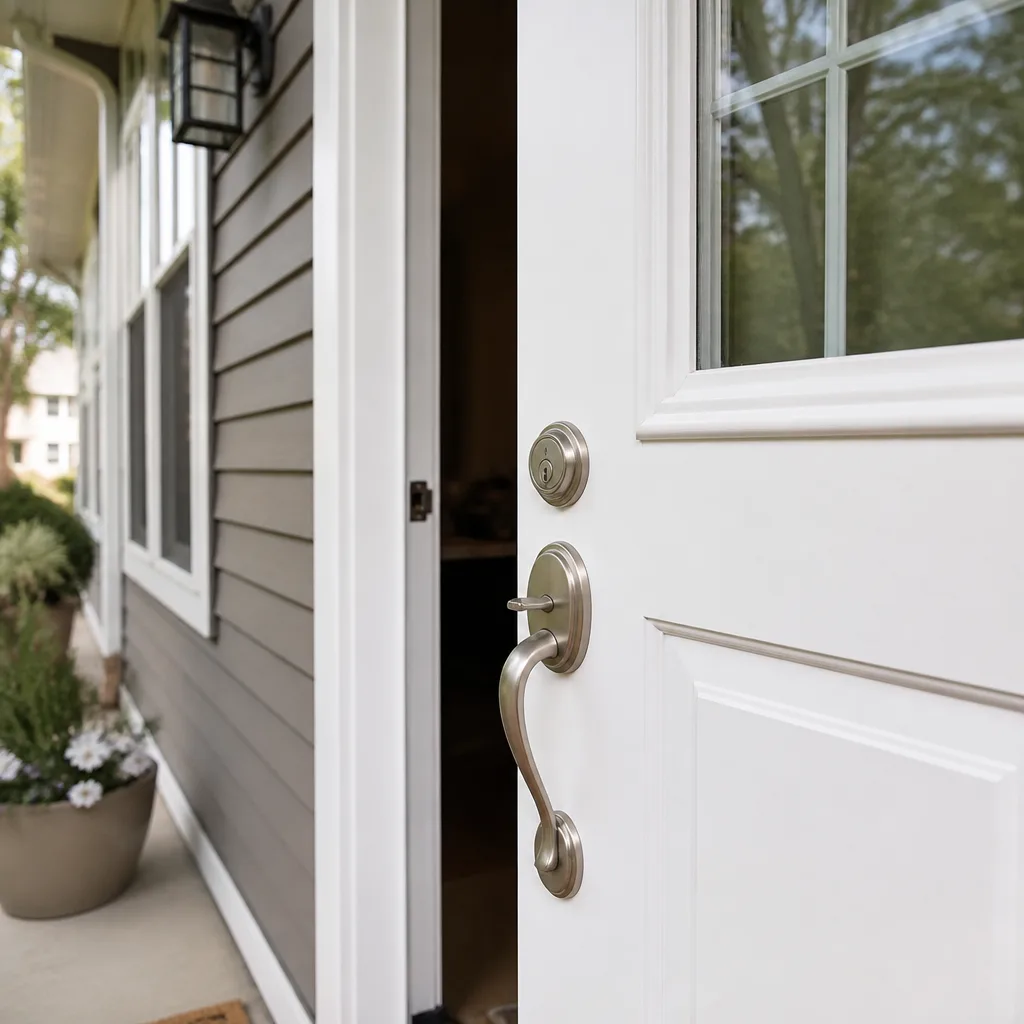
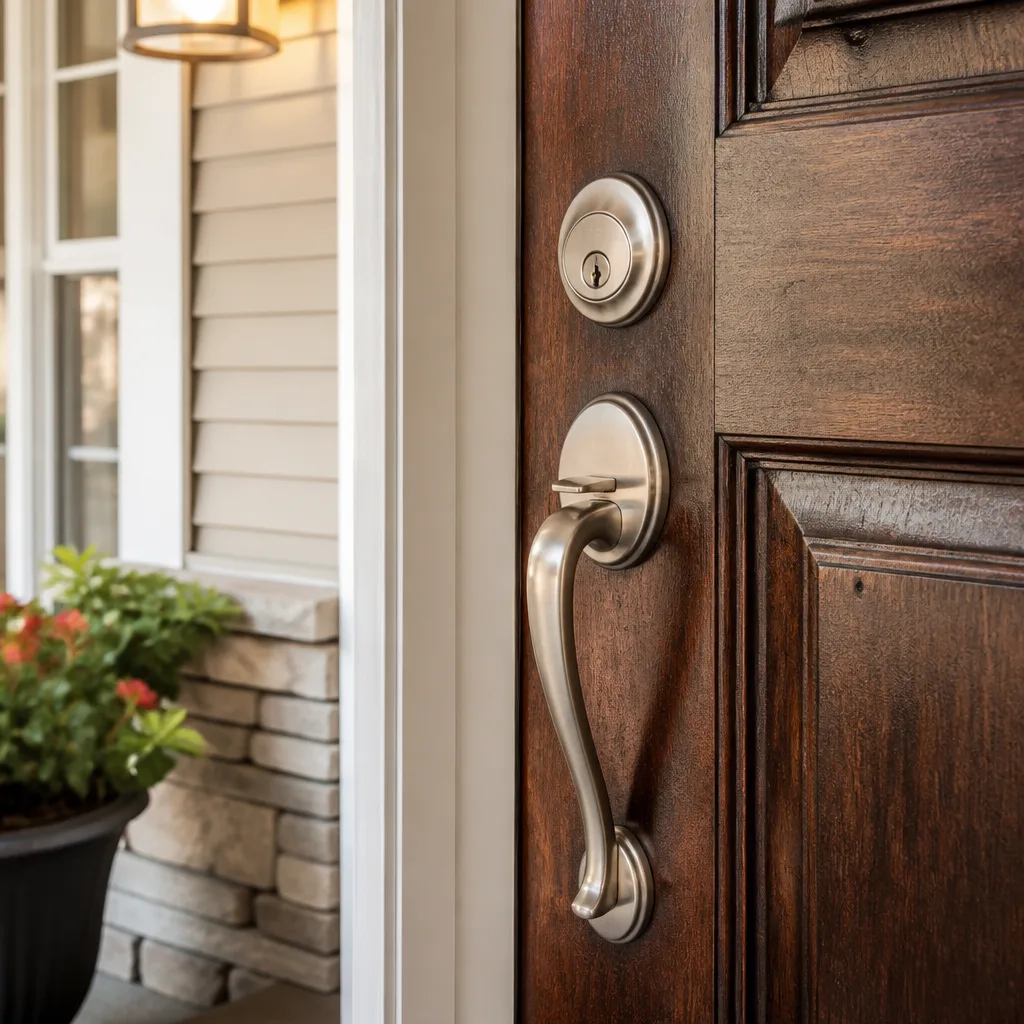
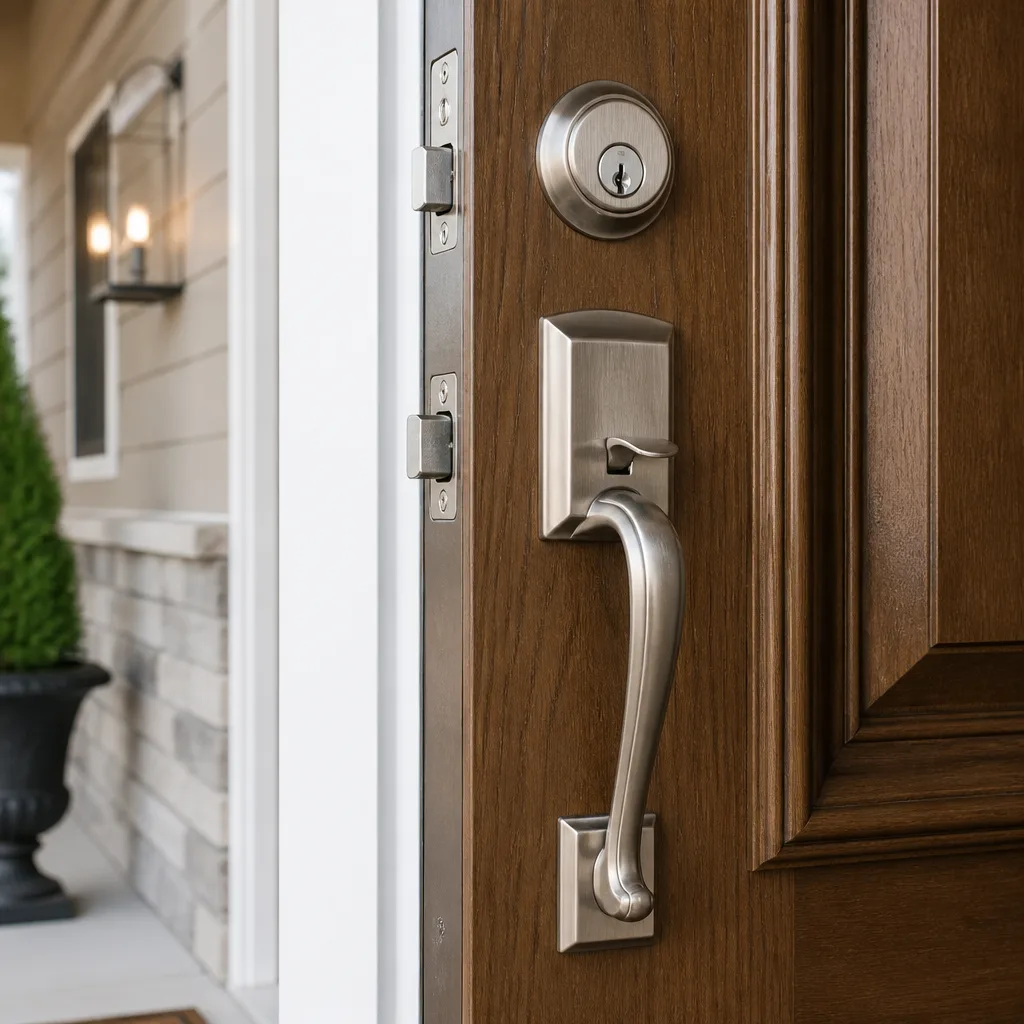
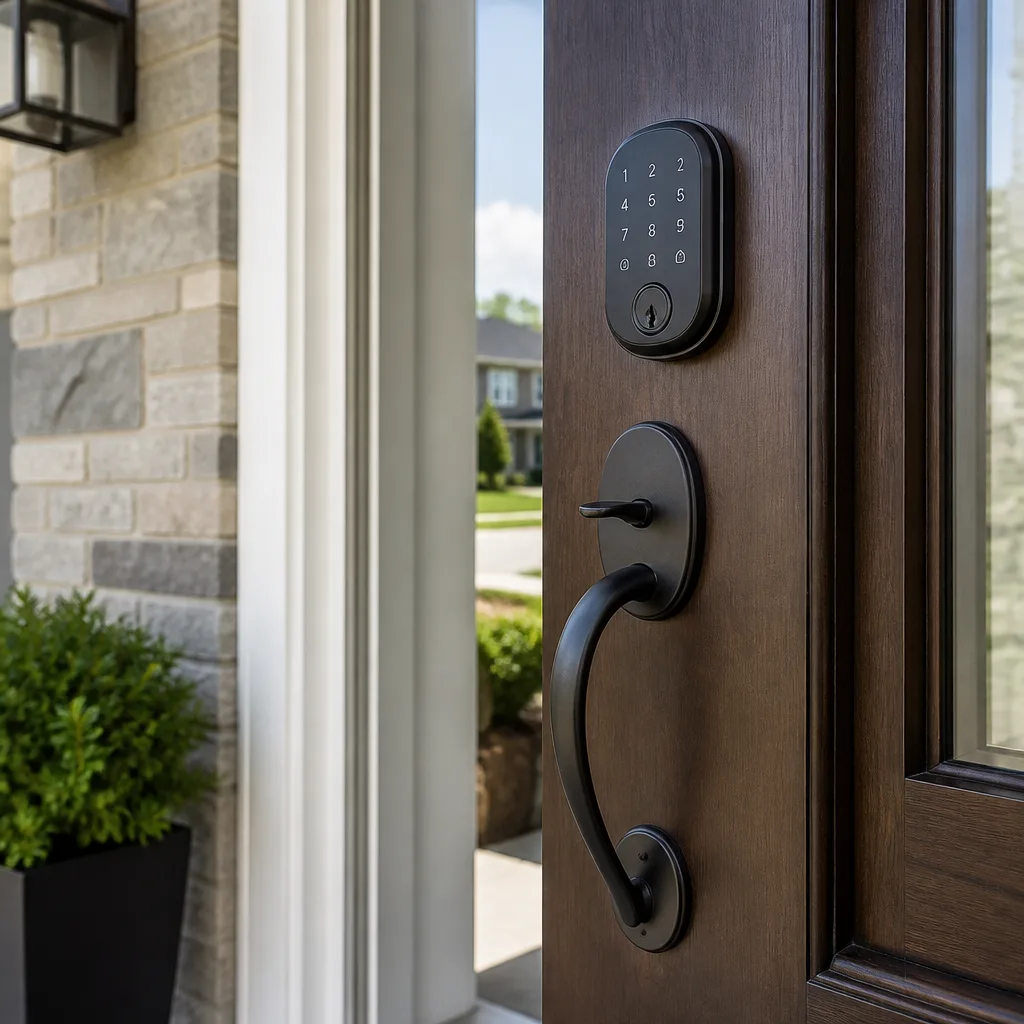
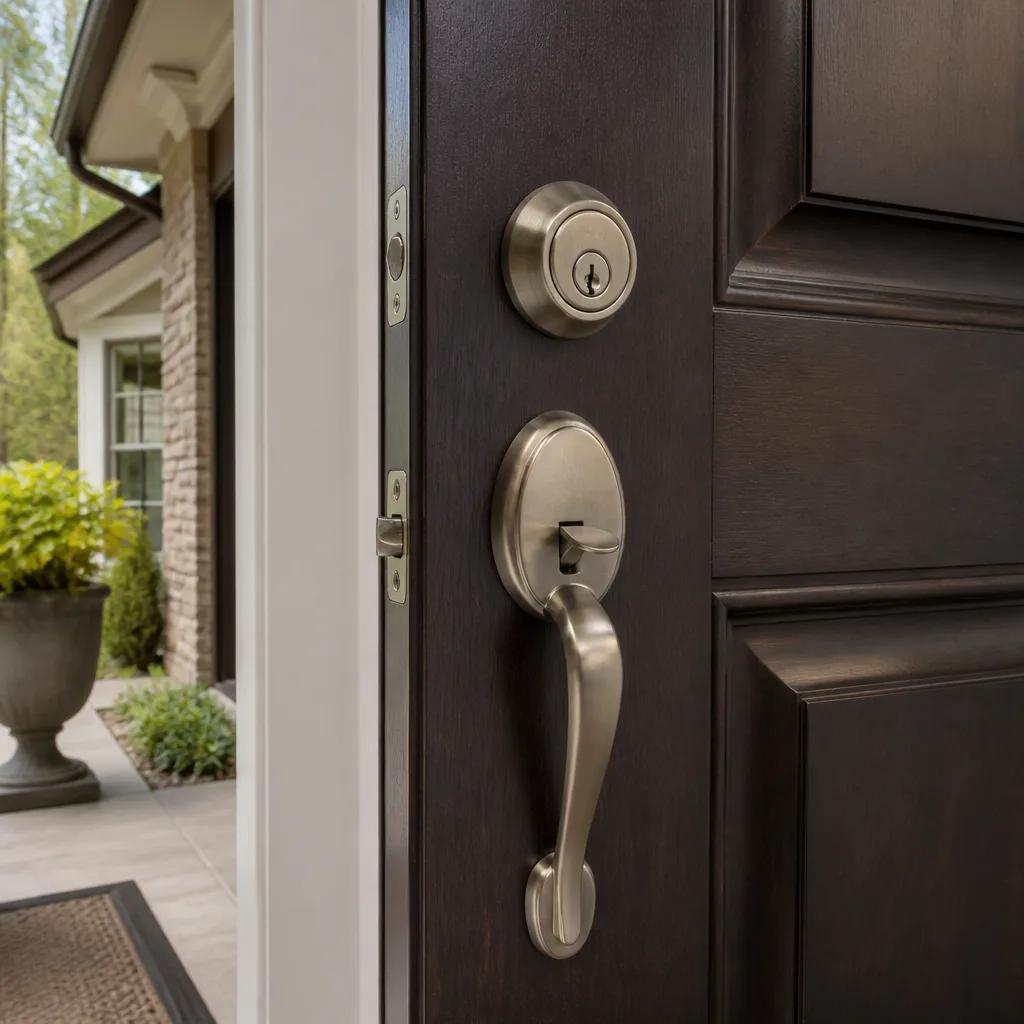
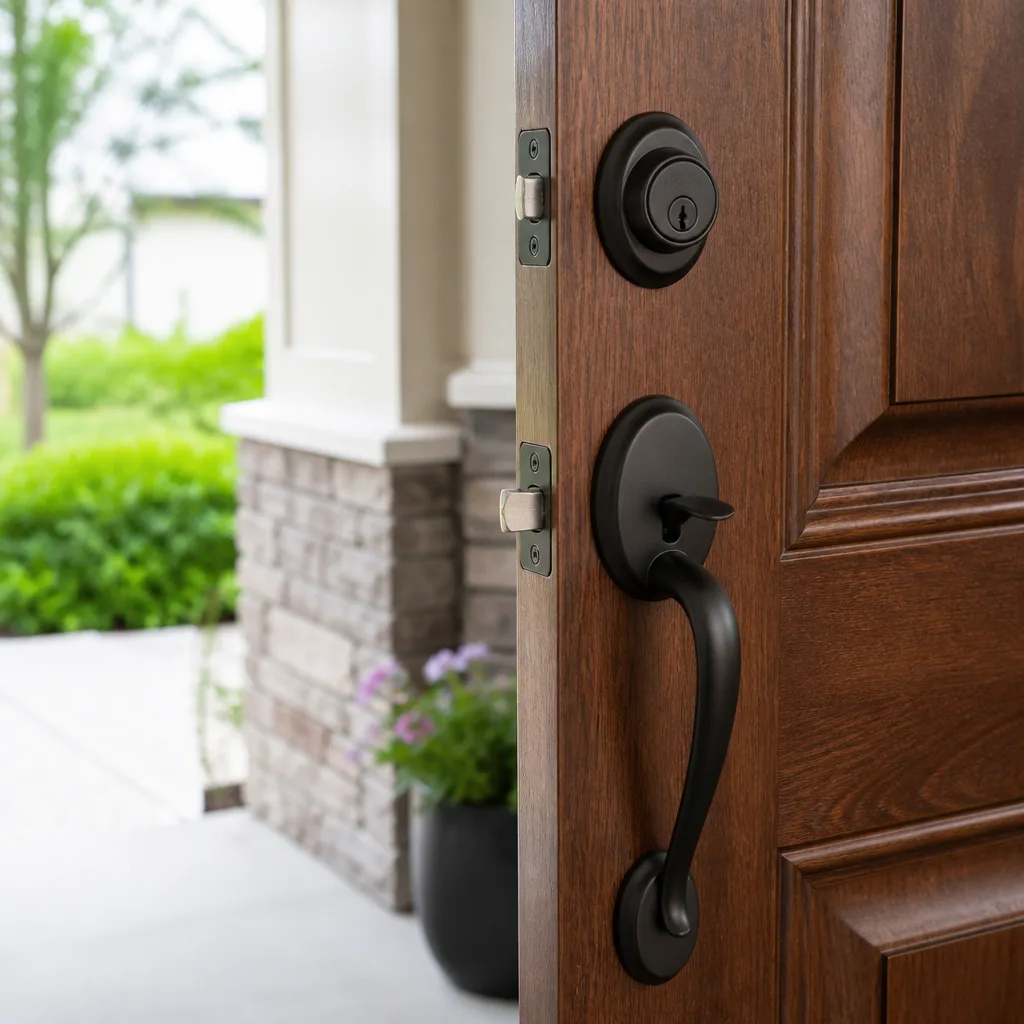
DIY vs Professional Residential Locksmith: What’s Safe to Do Yourself
Installing a deadbolt wrong doesn’t look wrong from the outside. The door closes, the lock throws, and everything seems fine until the bolt misses the strike plate by a quarter inch under real force, which is precisely when you needed it to hold. In Los Angeles, where door alignment shifts with seasonal temperature swings and older homes carry decades of layered hardware modifications, that quarter inch shows up more often than you’d think. This guide separates the few lock tasks a careful homeowner can genuinely handle from the ones that carry a consequence: a voided warranty, a compromised security gap, or a repair bill that doubles the cost of having called a locksmith in the first place. We’ll walk through what’s safe to DIY, what isn’t, and how to get more value from a professional visit when you need one.
Quick Answer
A careful homeowner can safely handle four residential lock tasks: replacing smart lock batteries, lubricating a lock with graphite, tightening loose handle screws, and reinforcing a strike plate with longer screws. Everything else, including deadbolt installation, rekeying, and any repair after a break-in, is better left to a trained locksmith because the failure modes are silent until the moment you need the lock to hold.
Table of Contents
- The Honest Short List: What’s Actually Safe to DIY
- Why Deadbolt Installation Is Harder Than the Package Admits
- Rekeying Kits From Hardware Stores: When They Work and When They Don’t
- Three Situations Where DIY Is Never the Right Call
- What Los Angeles Homes Get Wrong About Door Hardware
- How to Make a Professional Locksmith Visit More Valuable
- What DIY Actually Costs vs. Calling a Locksmith
- Common Mistakes to Avoid
- When to Call a Professional
- Frequently Asked Questions
- The Bottom Line
The Honest Short List: What’s Actually Safe to DIY
Most DIY locksmith guides pad their lists to look generous. They’ll tell you that swapping a doorknob is a beginner project and that installing a deadbolt just takes a drill and patience. That’s how people end up with doors that latch but don’t lock, or locks that bind every time the humidity climbs. We’d rather give you a shorter list you can actually trust.
Here are the four tasks a careful homeowner can do without meaningful risk to the door, the lock, or the home’s security:
1. Replacing batteries on a smart lock
Smart locks from Kwikset and Yale typically run on four or eight AA batteries, and the lock will warn you weeks in advance when they’re fading. Pop the battery cover, swap in fresh alkalines, and check the lock cycles cleanly. That’s the whole job. No tools, no risk, no reason to pay for a service call.
2. Graphite lubrication
A stiff key or a sticky deadbolt throw usually means the lock needs lubrication, and graphite powder is the right product for the job. Squirt a small puff into the keyway, work the key in and out a few times, and the lock should smooth out. This is maintenance, not repair, and it’s safe for any homeowner to do. Avoid liquid lubricants like WD-40; they attract dust and gum up the pins over time.
3. Tightening loose handle screws
Door handles work loose after years of daily use, especially on a door that gets slammed by kids or caught by the wind. If the handle wobbles, tighten the visible screws on the interior plate. If they spin without catching, the threaded inserts are stripped, and that’s the point where DIY ends and a locksmith’s drill-and-rethread job begins, but simple tightening is genuinely low-risk.
4. Basic strike plate reinforcement
The strike plate is the metal plate on the door frame where the deadbolt or latch bolt lands. Most homes ship with half-inch screws that barely bite into the frame, and upgrading them to three-inch screws that reach into the structural stud behind the jamb is one of the highest-value security upgrades you can make for under ten dollars. If the existing plate is positioned correctly and the bolt enters cleanly, this is a safe DIY task.
Notice what’s not on the list: no rekeying, no deadbolt installation, no handle swapping, no smart lock installation from scratch. Those jobs sit on the other side of the line, and the line is drawn where the failure stops being inconvenient and starts being a security problem. For context on larger projects, see How Long Does Access Control Systems Take? Timelines and What to Expect.
Why Deadbolt Installation Is Harder Than the Package Admits
The packaging on a Kwikset or Baldwin deadbolt makes the job look like a 20-minute project: trace the template, drill two holes, screw it together. And for a brand-new door with no existing hardware, that’s sometimes true. But most Los Angeles homes aren’t getting deadbolts installed on brand-new doors. They’re getting them replaced on doors that have carried hardware for 20, 40, or 60 years, and that’s where the package instructions quietly run out of road.
Three measurements decide whether a deadbolt actually secures the door, and all three go wrong in predictable ways:
Backset measurement
The backset is the distance from the edge of the door to the center of the lock hole, and it’s almost always either 2⅜ inches or 2¾ inches. Get it wrong and the lock body won’t sit in the hole properly, or the bolt won’t line up with the strike plate. Older doors in Los Angeles sometimes have non-standard backsets from custom hardware or previous owner modifications, and no package template accounts for that.
Door prep depth and alignment
The cross-bore hole has to be straight, centered, and deep enough for the bolt assembly. A drill that tilts by a few degrees produces a bolt that binds or a faceplate that won’t seat flush. You won’t see the problem until the deadbolt works fine in the open position and refuses to throw when the door is closed, because the alignment only matters under load.
Strike plate depth
The strike plate on the frame has to be recessed deeply enough that the bolt can fully extend into the pocket. If it’s too shallow, the bolt only throws halfway, and a halfway-thrown deadbolt is a decorative latch. Under pressure from a shoulder or a kick, the half-engaged bolt flexes, the strike plate screws tear free, and the door opens. This is the quarter-inch failure from the opening paragraph, and it’s the most common call we run on doors that were “professionally installed” by someone with a drill and an afternoon of confidence.
In our experience across Los Angeles, from West Adams bungalows to mid-century homes in the Valley, the cost to fix a botched deadbolt install runs higher than a clean installation would have cost in the first place, because we’re often correcting door prep, boring a new cross-bore, and repairing stripped screw holes before we even install the new hardware.
Rekeying Kits From Hardware Stores: When They Work and When They Don’t
Hardware stores sell rekeying kits that promise to let you change your own lock pins for a fraction of a locksmith’s fee. The kits are inexpensive, the instructions look simple, and the idea is appealing: swap a few pins, cut a new key, and your old keys stop working. The reality is more conditional, and the conditions are rarely printed on the box.
When a rekeying kit works
Rekeying kits work best when the kit brand matches the lock brand exactly. A Kwikset kit in a Kwikset cylinder is a legitimate option for a patient, detail-oriented homeowner. The tolerances line up, the pins fit, and the result is a genuinely rekeyed lock. We’ve met plenty of Los Angeles homeowners who’ve done this successfully on a single deadbolt with plenty of time and a clean work surface.
When a rekeying kit fails
The problems start when the kit brand and cylinder brand don’t match, which is common in older Los Angeles homes where the front door hardware has been swapped piecemeal over the decades. A generic kit in a Schlage cylinder, or a Kwikset kit in a no-name cylinder, produces a lock that looks rekeyed but isn’t. The pins seat unevenly, the key works intermittently, and sometimes the cylinder fails completely after a few weeks of use. The failure isn’t dramatic; you’ll notice the key getting stiffer, then one day it won’t turn at all, and now you’re locked out of your own house.
Another failure point: rekeying a lock doesn’t fix a worn cylinder. If the pins and springs are already tired from years of use, fresh pins in an old cylinder still won’t operate smoothly. A locksmith will tell you whether the cylinder needs replacement, and that’s information a hardware store kit can’t provide.
For most Los Angeles homeowners, rekeying a standard Schlage or Kwikset deadbolt through a professional runs between $40 and $100 per cylinder, and it comes with a written guarantee. A kit costs $15 to $30. The question isn’t whether you can save money; it’s whether your time and the risk of a botched job are worth the difference, and for most people, they’re not.
Three Situations Where DIY Is Never the Right Call
There’s a category of lock work where skill level doesn’t matter. The risk isn’t in the doing; it’s in what the doing covers up, or what it commits you to. These three situations are non-negotiable professional territory.
- Post-break-in frame repair. A kicked door splinters the frame, bends the strike plate, and often damages the bolt itself. A homeowner can screw a reinforcing plate over the damage, and the door will close and lock. What they won’t see is the structural damage underneath: the split stud, the compromised jamb, the screws that hold the strike plate to a frame member that’s no longer solid. In Los Angeles, where break-ins through a kicked door are the most common entry point we see, a superficial repair gives a false sense of security. The next kick only needs half the force.
- Master-key system changes. If your home has a master-key setup, where one key opens multiple doors but individual keys only open their assigned lock, any change to one cylinder changes the math for the whole system. A DIY rekey on a master-keyed cylinder can break the hierarchy so the master key no longer works anywhere. Master-key systems are common in Los Angeles condos, duplexes, and ADU properties, and reconstructing a broken master-key setup costs far more than having a locksmith do the change correctly.
- Any lock tied to a rental property lease. Most leases in Los Angeles specify that locks can only be changed or rekeyed by the landlord or a licensed professional, and for good reason. An unauthorized rekey can violate the lease, trigger a penalty, and in some cases affect a landlord’s insurance coverage. The same logic applies to Airbnb or short-term rental units. The money you save by rekeying the lock yourself isn’t worth the lease violation or the liability exposure if something goes wrong with the lock later.
What Los Angeles Homes Get Wrong About Door Hardware
Los Angeles has a particular set of door hardware problems, and most DIY guides written for a national audience don’t mention them. The climate is one factor: coastal humidity and inland heat cycles cause wood doors to swell and contract seasonally, which shifts lock alignment in ways that a freshly installed lock can’t fix on its own. We regularly see doors in Santa Monica and Venice Beach that latch cleanly in August and bind in January, and the fix is a strike plate adjustment or a hinge shim, not a new lock.
Older Los Angeles housing stock carries its own complications. Craftsman bungalows in Pasadena and Highland Park, Spanish-style homes in the Mid-Wilshire area, and tract housing from the 1950s in the San Fernando Valley all came with hardware that’s been patched and modified over decades. The door prep is rarely clean, the backsets are sometimes non-standard, and the strike plates have been moved so many times that the frame looks like a bingo card of old screw holes. Any DIY installation on these doors has to contend with that history, and the package template assumes a clean slab door.
There’s also a code angle worth knowing. Los Angeles building code requires specific deadbolt configurations on exterior doors in rental properties and attached garages, and some multifamily buildings have fire-rated door requirements that restrict what hardware can be installed. A homeowner who swaps a lock on a fire-rated door without knowing the rating can technically bring the door out of compliance. Most single-family homes don’t face this issue, but if you live in a condo or a building with an HOA, it’s worth checking before you drill.
None of this means Los Angeles homeowners can’t do the four safe DIY tasks we listed earlier. It means the jobs you shouldn’t DIY are harder here than the national guides suggest, because the doors themselves are older, the climate is harsher on alignment, and the margin for error is thinner.
How to Make a Professional Locksmith Visit More Valuable
If you’ve decided a job belongs in professional hands, you can get more out of the visit than just the repair. The best locksmiths in Los Angeles will walk you through what they’re doing, and that walkthrough pays off for years. Here’s how to approach the visit so you leave with both a fixed lock and a better understanding of your own doors, plus more guides & resources to reference later.
- Ask them to show you the failure. When we rekey a lock or repair a binding deadbolt, we can point to exactly what was wrong: the worn pin, the misaligned strike plate, the stripped screw. Ask to see it. The explanation takes two minutes and teaches you what to watch for next time.
- Ask what maintenance you can do yourself. A honest locksmith will tell you about graphite lubrication, battery replacement, and screw tightening, which lands you right back on the safe DIY list. If a locksmith tells you every lock needs professional monthly service, find a different locksmith.
- Ask which locks are worth upgrading. Not every lock needs to be a high-security Medeco or a smart lock. We look at a door and can tell you whether the existing Kwikset is fine, whether a Yale smart lock makes sense for the entry pattern, or whether a Baldwin exterior set is worth the investment for the front door. That assessment is part of the service.
- Ask for the guarantee in writing. Any reputable Los Angeles locksmith should put the work and the guarantee on paper without being asked. At Loxley Locksmith & Security, every repair carries the 365-Day Done Right Promise: if the work fails inside a year, we come back and fix it at no charge. That’s not an upgrade or a promotion; it’s the Kingswell standard, in writing, on every job.
The value of a professional visit isn’t just the lock that works when you leave. It’s the knowledge you keep afterward, so next year’s minor maintenance stays in your hands and the real repairs go to someone who’ll stand behind them.
What DIY Actually Costs vs. Calling a Locksmith
Every DIY decision has two price tags: the parts and your time, and the parts and the locksmith’s labor. Here’s how the numbers shake out in the Los Angeles market for the most common residential lock jobs.
- Deadbolt installation: DIY runs $25 to $70 for the deadbolt itself plus drill bits, hole saws, and a couple hours of labor. Professional installation typically runs $120 to $250 including hardware, with the guarantee that the bolt aligns correctly and the strike plate is set to code depth. If a DIY install goes wrong, the fix costs more than a clean install would have.
- Rekeying a standard Schlage or Kwikset deadbolt: DIY runs $15 to $30 for a hardware store kit. Professional rekeying runs $40 to $100 per cylinder, and it comes with a written guarantee and a check on whether the cylinder is worth rekeying or should be replaced.
- Smart lock battery replacement: DIY runs $5 to $15 for batteries. There’s no professional equivalent because no one should pay for this job.
- Strike plate reinforcement: DIY runs $5 to $10 for a pack of three-inch screws. Professional reinforcement as part of a security assessment runs $50 to $120, and includes checking alignment, depth, and frame integrity.
- Post-break-in frame repair: There’s no realistic DIY path here. Professional repair in Los Angeles typically starts around $150 and goes up depending on the frame damage, and it often includes reinforcing the jamb so the next kick doesn’t succeed.
Before any work starts, a professional locksmith should be able to quote the full price on the phone and confirm it in writing when they arrive. That’s the standard at Loxley Locksmith & Security: the price you’re quoted is the price on the invoice, with no call-out surcharge added at the door. If you’ve had a locksmith quote one price and charge another, that’s the thing we built the Kingswell Way to prevent.
Common Mistakes to Avoid
- Trusting the package template over the actual door. Most deadbolt and handle templates assume a clean slab door, and most Los Angeles doors haven’t been clean slabs in decades. Measure the backset before you buy anything, and don’t drill until you’ve verified the existing prep matches the new hardware.
- Using WD-40 or household oil on a lock. Liquid lubricants attract dust and grime, and a lock that’s been oiled once will need constant oiling forever after. Graphite powder is the correct product, and it’s the only lubricant we recommend on the DIY list.
- Drilling out a lock you can’t pick. A drill is a last resort that destroys the cylinder, writes off the hardware, and leaves metal shavings inside the door. If a lock won’t open, the cheaper fix is usually a locksmith with the right tools, not a homeowner with a drill bit.
- Rekeying one cylinder in a multi-lock system without thinking through the keys. If your front door and back door share a key, rekeying only the front door means you now carry two keys and the back door still opens with the old key you were trying to retire. Map out the whole system before you change any part of it.
- Forcing a lock that binds instead of finding the alignment problem. A deadbolt that needs a shoulder to throw is telling you the strike plate is misaligned or the door has shifted. Forcing it wears the bolt, bends the plate, and eventually breaks the mechanism. The fix is alignment, not muscle.
- Ignoring a post-break-in door that looks fine from the outside. The frame damage from a kick isn’t always visible behind the trim and the strike plate. If the door was forced open, the frame needs a professional inspection before you go back to feeling secure, and the repair should include structural reinforcement, not just cosmetic patching.
When to Call a Professional
Call a residential locksmith in Los Angeles when the door has been forced, when the lock is part of a master-key system, when the door prep doesn’t match the new hardware, or when a rekey needs to work across multiple locks and keys. Call when you’ve tried the safe DIY fixes and the lock still binds, or when the cylinder is worn enough that new pins won’t help. And call before you drill into a lock out of frustration; the drilling is almost always more expensive than the opening would have been. Loxley Locksmith & Security offers free estimates in Los Angeles, and a live person answers the phone 24/7 at (682) 281-8985. Our Residential Locksmith in Los Angeles team handles everything from rekeys to post-break-in frame repair, with the written price before any work starts.
Frequently Asked Questions
You can, but the job is harder than the package suggests and the failure modes are invisible until the lock is tested under real force. Door prep, backset measurement, and strike plate depth are the three places DIY installs go wrong, and fixing a botched install costs more than a professional installation would have cost from the start.
Rekeying a lock with a hardware store kit is possible when the kit brand matches the cylinder brand exactly, but the risk is a lock that looks rekeyed and doesn’t actually work reliably. A professional rekey in Los Angeles runs $40 to $100 per cylinder and includes a written guarantee, which is cheaper than replacing a cylinder that a DIY attempt has damaged.
Most residential lock jobs in Los Angeles run between $40 and $250 depending on the work, with rekeying at the lower end ($40 to $100 per cylinder) and deadbolt installation with hardware at the higher end ($120 to $250). Post-break-in frame repair typically starts around $150 and goes up based on the damage.
It should be, and that’s the standard Loxley Locksmith & Security holds. We provide a written price before any work starts, and that price is the price on the invoice with no call-out surcharge added on arrival. If a locksmith won’t commit to a price in writing before the work starts, call someone else.
After a break-in, the frame damage often runs deeper than what’s visible behind the strike plate, and a superficial repair leaves the door vulnerable to a repeat entry. Call a professional locksmith in Los Angeles who can inspect the frame, reinforce the jamb, and reinstall or replace the lock properly.
Ask for a written price before the work starts, check that the technician arrives in a marked vehicle and uniform, and confirm that the guarantee is in writing. Loxley Locksmith & Security is part of the Kingswell family of locksmith companies, and every job is governed by a single written standard: the price is agreed before the work starts, the arrival window is kept, the job site is left clean, and the repair carries a written guarantee.
The Bottom Line
The DIY residential locksmith question has a cleaner answer than most guides admit. Battery replacement, graphite lubrication, screw tightening, and basic strike plate reinforcement are safe, low-risk tasks that any attentive homeowner can handle. Deadbolt installation, rekeying, and post-break-in repair are not, because their failures are silent until the moment the lock needs to hold. In Los Angeles, where older doors and seasonal climate shifts compound the margin for error, the professional fee is almost always smaller than the cost of fixing a DIY attempt gone wrong. Do the small stuff yourself, and call a locksmith for the rest.
Written by Sam Rourke, Owner at Loxley Locksmith & Security, serving Los Angeles since 2007.